

Frisco runs on schedules. FISD families plan around school calendars, AP testing windows, and tournament weekends. Professionals commute to corporate campuses across the Dallas North Tollway, Legacy West, and downtown Dallas. Competitive youth athletes train at The Star, FC Dallas Academy, Comerica Center, and dozens of club programs across North Dallas. Our Frisco clinic was built around that reality—open Monday through Friday from 6:00 AM to 9:00 PM and Saturday from 7:00 AM to 7:00 PM, with same-week appointments so OCD treatment doesn’t require putting the rest of life on hold.
Our location at 3800 Gaylord Parkway, Suite 1100 sits just off the Dallas North Tollway near The Star and Stonebriar Centre. Patients coming from Plano, McKinney, Allen, Prosper, Celina, The Colony, and Little Elm can typically reach us in 20 minutes or less.
OCD is a neurobiological disorder that affects people everywhere, but the way it expresses itself is shaped by environment. In a community like Frisco, we see certain patterns more often than we do elsewhere, and naming them helps families recognize what’s happening:
Perfectionism-driven OCD. Many of our Frisco patients describe feeling that anything less than perfect is unacceptable—and that the standard isn’t really negotiable. When that internal standard combines with OCD, it produces rumination over assignments, compulsive rechecking of work, redoing tasks until they feel “right,” and intense distress over small errors. This isn’t the same thing as being a high-achiever; it’s a clinical pattern that responds to ERP.
Scrupulosity around academics and grades. For FISD students competing for top class ranks, AP scores, and competitive college admissions, OCD can latch onto grades the way it might latch onto contamination in another community. Intrusive thoughts like “what if I missed something” or “what if this isn’t good enough” can drive hours of compulsive review.
“Just right” OCD in athletes. Competitive young athletes—hockey, soccer, basketball, volleyball, dance—sometimes develop OCD around technique, repetition, or pre-performance routines that have to feel exactly right. The compulsions can look like dedication, which is part of what makes them hard to spot; the difference is the distress when something isn’t repeated correctly.
Family-focused intrusive thoughts. Parents in high-pressure roles sometimes experience intrusive thoughts about harm coming to their children, or about failing as a parent. These are common, deeply distressing, and very responsive to treatment—but the perceived stigma in achievement-oriented communities can delay people seeking help for years.
None of these patterns mean something is wrong with Frisco. They mean OCD takes the shape of whatever a person cares most about, and in this community, that’s often performance and family. ERP works on all of these subtypes.
OCD affects individuals across all ages, and our treatment approaches are designed to address the specific challenges faced by both adults and teens. Recognizing that OCD symptoms can vary widely, our clinicians work closely with each person to develop strategies that fit their lifestyle and developmental stage. For teens across Frisco ISD, Plano ISD, McKinney ISD, Lewisville ISD, Allen ISD, and Prosper ISD—and for college students at UNT, UNT-Frisco, Collin College, SMU, and UTD—treatment often includes family involvement and coordination with school counselors. Adults may focus on managing OCD alongside demanding professional roles, parenting school-age children, or the everyday stress of one of the fastest-growing metro areas in the country.
Our trauma-informed approach means we recognize that many people with OCD have experienced events that shape how they respond to anxiety, uncertainty, and distress. We take care to build safety and trust from the first session, move at a pace that respects your nervous system, and clearly explain every step of treatment so nothing feels coercive or surprising. ERP, in particular, is delivered collaboratively—you are always in control of what exposures you take on and when.
In-person appointments in Frisco provide a valuable opportunity for direct interaction with experienced clinicians who specialize in OCD. Whether you are commuting from Plano, McKinney, Allen, Prosper, or The Colony, these sessions allow for thorough assessments, personalized therapy, and real-time adjustments to treatment strategies. Being physically present in a therapeutic setting can enhance the connection between patient and provider, fostering trust and open communication.
During in-person visits, clinicians can observe subtle behaviors and emotional responses that might be missed in virtual settings. This hands-on approach is especially beneficial for ERP therapy, where guidance and encouragement during exposure exercises can make a significant difference. Additionally, in-person care facilitates immediate support during challenging moments, helping patients build confidence and coping skills more effectively.
OCD is a complex mental health condition characterized by persistent, unwanted thoughts and repetitive behaviors. Understanding the nature of OCD is essential for effective treatment and compassionate support. It is important to recognize that OCD is not a reflection of personal weakness or character flaws but a neurobiological disorder that affects brain function and behavior.
Education about OCD helps reduce stigma and empowers individuals and their loved ones to approach the condition with empathy and patience. By learning about the specific symptoms and how they manifest, people can better identify when to seek professional help and what to expect from treatment.
Obsessions are intrusive, distressing thoughts, images, or urges that repeatedly enter the mind. These thoughts are often unwanted and cause significant anxiety or discomfort. Common obsessions include fears of contamination, worries about harm coming to oneself or others, or intrusive doubts about safety and morality.
Compulsions are repetitive behaviors or mental acts performed in response to obsessions, aimed at reducing anxiety or preventing feared outcomes. These actions can include excessive hand washing, checking locks or appliances, counting, or repeating phrases silently. While compulsions may provide temporary relief, they often reinforce the cycle of OCD and increase distress over time.
OCD presents in various forms, and recognizing common subtypes can help tailor treatment approaches. Some individuals experience contamination fears leading to cleaning compulsions, while others may have symmetry obsessions that drive ordering and arranging behaviors. Harm-related obsessions might result in checking rituals, and taboo thoughts can cause mental compulsions such as praying or repeating words silently.
Understanding these subtypes allows our clinicians in Frisco, TX to develop targeted interventions that address the specific patterns of OCD symptoms. This nuanced approach improves treatment outcomes by focusing on the most distressing and impairing aspects of the disorder for each person.
Living in North Texas creates conditions that can interact with OCD symptoms in ways patients in other regions don’t experience. We’ve noticed several patterns worth naming, because patients are often relieved to learn they aren’t imagining the connection:
Spring severe weather and harm/checking OCD. March through June brings tornadoes, hail, and severe storms that hit the DFW Metroplex hard. For patients with harm-related obsessions, watch boxes and warnings drive sharp spikes in checking behavior—weather apps, family member locations, safe rooms, shelter plans. Frisco has been hit directly by significant storms in recent memory, and that lived experience makes the checking feel rational. We work with patients each spring to build coping strategies before the season starts.
Winter storms and “what if the power goes out” obsessions. Since the February 2021 winter storm and grid failure, many North Texas patients with harm-OCD now experience symptom flares during winter weather forecasts that would have been unremarkable before. Checking heaters, pipes, water supplies, and elderly relatives can become compulsive in ways that didn’t exist before Uri.
Summer heat and contamination concerns. North Texas summers are long, hot, and increasingly humid, which can intensify contamination-focused OCD around sweating, public spaces, and surface cleanliness.
Year-round access for outdoor ERP. The flip side is that North Texas weather supports outdoor exposure exercises most of the year, including at Frisco’s many parks and trail systems—a real advantage when building exposure hierarchies.
Our clinic in Frisco, TX offers a comprehensive range of treatments designed to address OCD from multiple angles. We combine evidence-based psychotherapy, medication management, and advanced neuromodulation to provide holistic care. Our goal is to reduce symptoms, improve functioning, and enhance quality of life through approaches tailored to each individual across North Dallas.
We understand that OCD treatment is not one-size-fits-all. Some patients respond well to medication, others benefit most from therapy, and many find the greatest relief through a combination of both. Our experienced team works closely with patients to identify the most effective treatment plan and adjust it as needed over time.
Exposure and Response Prevention (ERP) is the gold-standard psychotherapy for OCD and the most evidence-based treatment available. ERP works by gradually exposing you to the thoughts, situations, or images that trigger your obsessions—while supporting you in resisting the compulsive behaviors you would normally use to reduce the anxiety. Over time, your brain learns that the feared outcome doesn’t occur and that anxiety naturally decreases on its own, which weakens the OCD cycle at its source.
One of the advantages of doing ERP locally is that exposures can be built around real places you actually encounter. Depending on the subtype, that might mean graduated contamination exposures at Stonebriar Centre or The Star district, harm-related driving exposures on the Dallas North Tollway, the Sam Rayburn Tollway, or US-380, social-contamination work at restaurants around Frisco Square or Toyota Music Factory, or outdoor exposures along the Northwest Community Park trails. For perfectionism-driven OCD, exposures often involve leaving small “imperfections” in school work or projects on purpose; for “just right” OCD in athletes, they may involve practicing without redoing reps that feel off. For students at UNT, UTD, Collin College, or SMU, exposures often involve campus libraries, exam settings, and graded assignments. The goal is for OCD to lose its grip on the places and routines you actually live in, not just on a sterile clinic room.
ERP is delivered by trained specialists who understand that exposure work can feel intimidating at first. We collaborate with you to build a personalized hierarchy, starting with manageable challenges and progressing at a pace that respects your readiness. For teens, we often coach parents on how to respond to OCD symptoms at home so that family accommodation doesn’t unintentionally reinforce the disorder. Most patients begin to notice meaningful improvement within 12 to 20 sessions, though treatment length varies based on symptom severity and subtype.

Selective serotonin reuptake inhibitors (SSRIs) are commonly prescribed medications for OCD and have been shown to reduce symptoms by altering brain chemistry related to mood and anxiety regulation. Clomipramine, a tricyclic antidepressant, is another effective option that has been used for decades to treat OCD. Both types of medication can help decrease the intensity of obsessions and compulsions, making therapy more manageable.
Our medication management services in Frisco are led by Dr. Alex Chung, MD, a board-certified psychiatrist, alongside our psychiatric nurse practitioners Erica Canterbury, PMHNP, and Zahra Hassanally, PMHNP. Together they oversee careful monitoring of dosage, side effects, and overall effectiveness. We prioritize patient safety and work collaboratively to find the right medication regimen. Regular follow-ups ensure that adjustments can be made promptly to optimize treatment outcomes. (For more detail on what to expect from medication, including when it helps most and how we monitor side effects, see the Medication for OCD section below.)
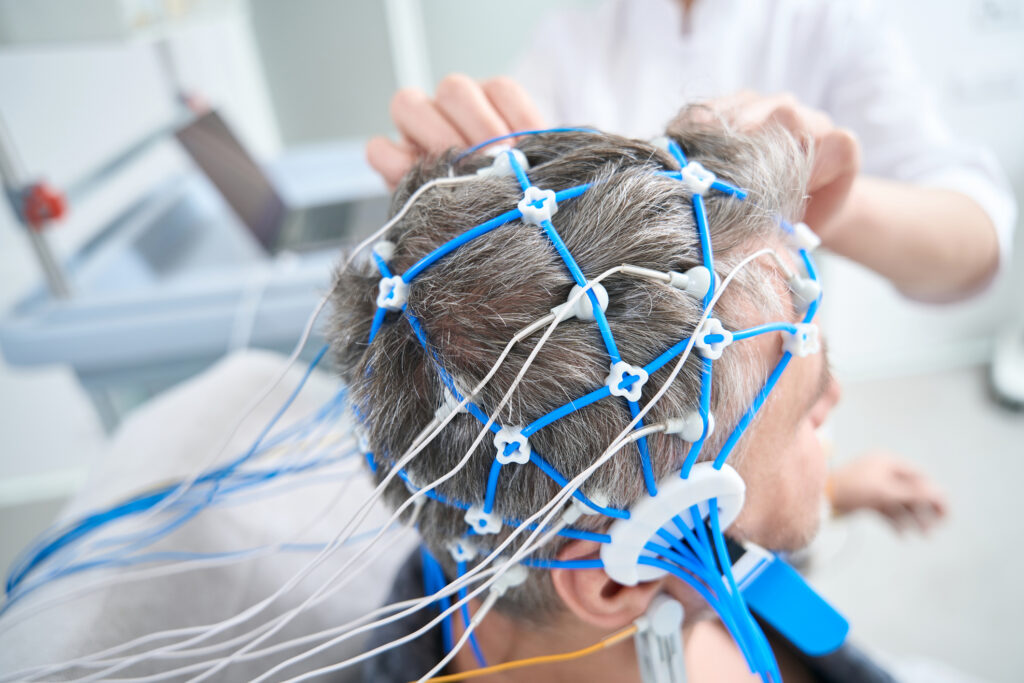
Transcranial magnetic stimulation (TMS) is a non-invasive, FDA-approved treatment for OCD that uses magnetic fields to stimulate specific areas of the brain involved in obsessive-compulsive symptoms. TMS is particularly beneficial for individuals who have not responded adequately to medication or therapy alone.
In Frisco, TX, we offer TMS as part of our comprehensive OCD treatment options. Easily accessible from the Dallas North Tollway, the Sam Rayburn Tollway (SRT/121), or Preston Road, the procedure is typically well-tolerated, with minimal side effects, and can lead to significant symptom reduction. TMS sessions are conducted in a comfortable clinical setting, and treatment plans are customized based on individual needs and response patterns.
Our Frisco clinic is led by a board-certified psychiatrist and two psychiatric nurse practitioners, all with training in mood, anxiety, and obsessive-compulsive disorders:
Dr. Alex Chung, MD — Board-certified Psychiatrist. View profile.
Erica Canterbury, PMHNP — Psychiatric Nurse Practitioner. View profile.
Zahra Hassanally, PMHNP — Psychiatric Nurse Practitioner. View profile.
Our Frisco team takes a patient-first approach grounded in evidence-based practice: treatment plans built around your specific OCD subtype, transparent conversations about what each option can and can’t do, and measurable progress tracked over time. With same-week appointments and extended hours, we’re committed to delivering specialty OCD care that fits the way North Dallas families and professionals actually live.
Starting OCD treatment can feel daunting, but your first visit in Frisco, TX is designed to be welcoming, thorough, and informative. We take the time to understand your unique experience with OCD, your goals, and any concerns you may have. Most first appointments run 60 to 90 minutes—long enough to actually hear your story, not just check boxes. This initial step lays the foundation for a collaborative and effective treatment journey.
Our clinicians approach the evaluation with empathy and clinical expertise, ensuring that you feel heard and supported. We recognize that each person’s story is different, and we tailor our assessment to capture the full picture of your symptoms and their impact on your life.
The comprehensive evaluation includes a detailed clinical interview, standardized assessments, and, when appropriate, input from family members or other healthcare providers. This process helps identify the severity of OCD symptoms, co-occurring conditions, and any factors that may influence treatment planning.
We also explore your history with OCD, previous treatments, and your current coping strategies. This information guides us in developing a personalized approach that addresses your specific challenges and strengths.
Following the evaluation, we collaborate with you to create a personalized treatment plan that aligns with your needs and preferences. This plan outlines the recommended therapies, medication options, and any additional supports that may be beneficial. Setting clear, achievable goals is a key part of this process, helping you track progress and stay motivated.
We encourage open communication and ongoing feedback to ensure that your treatment remains responsive to your evolving needs. Our team is committed to partnering with you to foster hope, resilience, and meaningful change.
Medication can be a valuable component of OCD treatment, but it is important to understand when it is most helpful and how to manage it safely. In Frisco, TX, we provide expert guidance on the use of medications to complement therapeutic interventions and support symptom relief.
We emphasize a balanced approach that considers the benefits and limitations of medication, empowering you to make informed decisions about your care. Our goal is to optimize treatment effectiveness while minimizing potential risks.
Medication can significantly reduce OCD symptoms for many individuals, especially when combined with ERP therapy. SSRIs and clomipramine often help decrease the intensity of obsessions and compulsions, making it easier to engage in behavioral treatments. However, medication is not a cure and may not fully eliminate symptoms for everyone.
Some people may experience limited benefit or intolerable side effects, prompting consideration of alternative or adjunctive treatments such as TMS or intensified therapy. Our clinicians work closely with patients to evaluate medication effectiveness and make adjustments as needed, ensuring that treatment remains responsive and supportive.
All medications carry the potential for side effects, and our providers prioritize safety through careful monitoring and patient education. Common side effects of SSRIs may include nausea, headache, or changes in sleep patterns, while clomipramine can sometimes cause dry mouth or dizziness. Most side effects are manageable and often diminish over time.
Regular follow-up appointments allow clinicians to assess how you are tolerating medication and to make dosage adjustments or switch medications if necessary. Providers also screen for any interactions with other medications or health conditions to ensure safe use. This vigilant approach helps maintain your safety and comfort throughout treatment.
Related Videos
Related Posts

When anxiety becomes a daily shadow instead of an occasional
Post-traumatic stress disorder (PTSD) can make daily life feel like

If you’re living with ongoing depression, you’ve likely explored many