

If you’re living with ongoing depression, you’ve likely explored many treatment options—from medications and therapy to lifestyle changes. Two approaches that frequently come up are TMS therapy (Transcranial Magnetic Stimulation) and mindfulness meditation. Both are backed by research, yet they work in very different ways and are best suited for different levels of depression severity.
When comparing TMS therapy for depression versus mindfulness meditation, there is no universal “better” choice. The most effective option depends on the severity of your symptoms, your treatment history, and whether your depression needs a direct biological intervention or psychological skill-building.
What Is TMS Therapy for Depression?
Transcranial Magnetic Stimulation (TMS) is a non-invasive, FDA-approved treatment for major depressive disorder (MDD), especially treatment-resistant depression. TMS uses focused electromagnetic pulses—similar to those in an MRI—to stimulate underactive areas of the brain involved in mood regulation.
How TMS Therapy Works
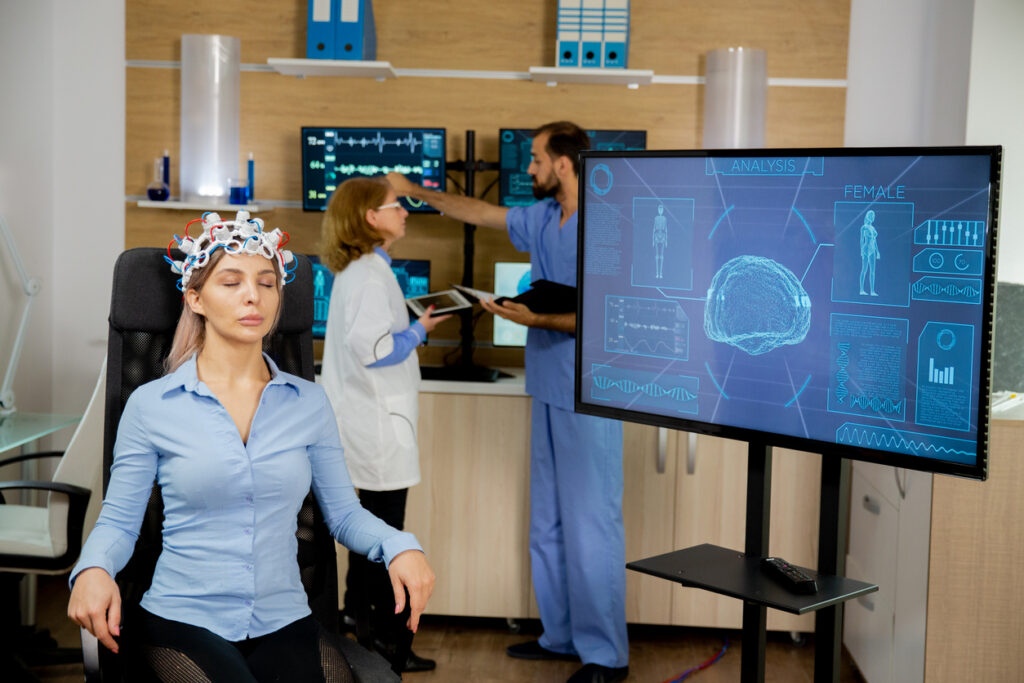
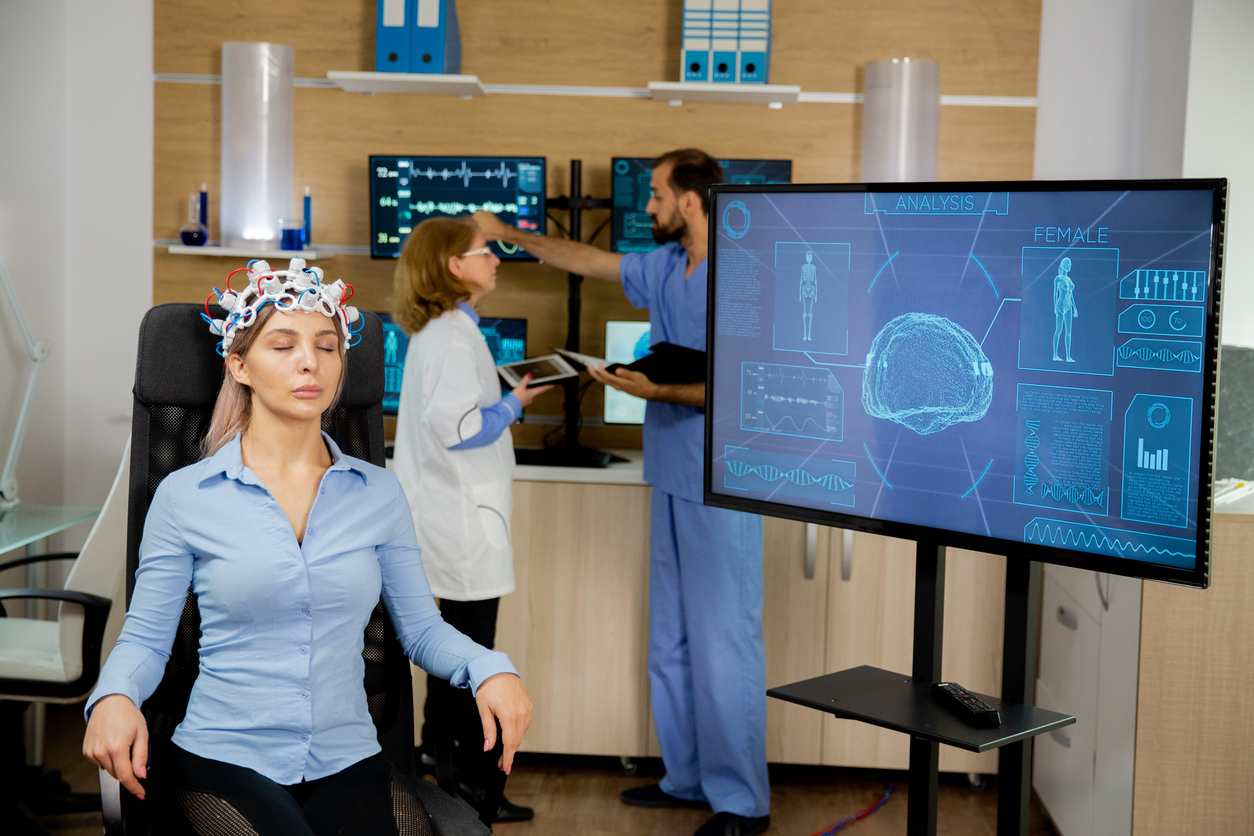
During a session, a small electromagnetic coil is placed against your scalp, targeting the dorsolateral prefrontal cortex (DLPFC). The magnetic pulses gently stimulate nerve cells, helping restore normal brain activity and improve communication between mood-related brain regions.
Treatment is comfortable—you remain awake and seated, with no anesthesia required. Each session lasts about 20–40 minutes, typically delivered five days a week for 4–6 weeks. Many patients begin noticing improvements within 2–4 weeks.
What TMS Treats
TMS is particularly effective for:
- Major depressive disorder
- Treatment-resistant depression (when at least two antidepressants have not worked)
- Depression with co-occurring anxiety
- In some cases, OCD or PTSD
Clinical studies show that approximately 58% of patients experience significant symptom improvement, and about 37% achieve full remission.
What Is Mindfulness Meditation for Depression?
Mindfulness meditation is the practice of paying attention to the present moment with openness and without judgment. It has been adapted into structured, evidence-based programs such as Mindfulness-Based Cognitive Therapy (MBCT) and Mindfulness-Based Stress Reduction (MBSR).
How Mindfulness Meditation Works
Mindfulness teaches you to observe thoughts, emotions, and sensations as temporary events rather than getting caught in depressive rumination. Common practices include breath awareness, body scans, loving-kindness meditation, and mindful movement like yoga.
Regular practice can help by:
- Reducing rumination and negative thought loops
- Improving emotional regulation
- Building self-compassion
- Lowering overall stress reactivity
What Mindfulness Meditation Treats
Mindfulness is well-studied for:
- Mild to moderate depression
- Preventing depression relapse (especially after three or more episodes)
- Generalized anxiety and chronic stress
Research indicates that mindfulness-based interventions can be as effective as antidepressants for preventing relapse in people with recurrent depression.
TMS Therapy vs. Mindfulness Meditation: Key Differences
| Aspect | TMS Therapy | Mindfulness Meditation |
|---|---|---|
| Mechanism | Electromagnetic stimulation of brain regions | Psychological training in present-moment awareness |
| Best For | Moderate to severe or treatment-resistant depression | Mild to moderate depression and relapse prevention |
| Administration | Medical procedure in a clinical setting | Self-directed or guided in classes/therapy |
| Time to Results | Often noticeable in 2–4 weeks | Gradual improvement over weeks to months |
| Treatment Frequency | Daily sessions (20–40 min) for 4–6 weeks | Daily practice (10–30 min), ongoing |
| Side Effects | Mild, temporary headache or scalp discomfort | None (though initial emotional discomfort possible) |
| Evidence Level | FDA-approved with strong clinical trials | Strong evidence for mild-moderate cases and prevention |
| Cost | Often covered by insurance | Free or low-cost (apps, classes) |
When TMS Therapy Is More Effective Than Mindfulness Meditation
TMS therapy tends to be the stronger choice when:
- Your depression is moderate to severe and significantly impairs daily functioning
- You have treatment-resistant depression after trying multiple antidepressants
- You need faster symptom relief (TMS often works more quickly than consistent meditation practice)
- Your depression has a strong neurobiological component (e.g., underactive prefrontal cortex)
In these situations, mindfulness alone may be difficult to practice consistently because severe depression can drain motivation and concentration.
When Mindfulness Meditation Is More Appropriate
Mindfulness meditation may be a better starting point or complementary tool when:
- Your depression is mild to moderate and you can still function reasonably well
- You want to focus on preventing future depressive episodes
- You prefer a non-medical, self-directed approach
- Stress, anxiety, and rumination are major contributors to your symptoms
Mindfulness is accessible, has no physical side effects, and builds valuable long-term skills for emotional resilience.
Can TMS Therapy and Mindfulness Meditation Be Used Together?
Yes—and research suggests they can work synergistically. One pilot study showed that patients who practiced guided mindfulness during TMS sessions experienced greater improvements in both depression symptoms and mindfulness skills compared to TMS alone.
TMS provides a biological foundation by directly stimulating mood-regulating brain circuits, while mindfulness helps you develop tools to manage thoughts and prevent relapse. Many patients begin with TMS for rapid relief and then incorporate mindfulness as part of their ongoing wellness plan.
What to Expect from TMS Therapy at Serenity Mental Health Centers
At Serenity Mental Health Centers, we offer TMS therapy for depression as part of our comprehensive mental health services. Our experienced team uses advanced TMS technology in a comfortable, supportive environment.
You can expect:
- A thorough initial evaluation to determine if TMS is appropriate for you
- Relaxing treatment sessions where you can read, listen to music, or even practice mindfulness
- Careful progress monitoring and coordination with other treatments such as medication management or therapy
- Personalized care focused on helping you achieve meaningful, lasting improvement
Many of our patients report better mood, increased energy, improved concentration, and a greater sense of hope within the first few weeks.
Frequently Asked Questions
Is TMS therapy more effective than mindfulness meditation for depression?
It depends on severity. TMS is generally more effective for moderate to severe or treatment-resistant depression, while mindfulness meditation is highly beneficial for mild to moderate depression and preventing relapse. The two approaches can also be combined for better outcomes.
How quickly does TMS therapy work compared to mindfulness meditation?
TMS often produces noticeable improvements within 2–4 weeks, whereas meaningful benefits from mindfulness meditation typically build gradually over several weeks to months of consistent practice.
Can I do mindfulness meditation while receiving TMS therapy?
Yes. Combining the two can be beneficial. Practicing mindfulness during or alongside TMS sessions may enhance overall results by supporting both neurobiological change and psychological resilience.
Are there side effects with TMS therapy for depression?
TMS is well-tolerated. The most common side effects are mild, temporary headache or scalp discomfort at the treatment site. Unlike medications, it does not cause systemic side effects such as weight gain or sexual dysfunction.
Is mindfulness meditation enough for severe depression?
For many people with severe depression, mindfulness alone can be challenging to practice consistently due to low motivation and energy. In such cases, TMS or other medical treatments often provide the initial lift needed to then engage more effectively in mindfulness practices.
Does insurance cover TMS therapy?
Many insurance plans cover TMS for treatment-resistant depression after other treatments have not worked. Our team at Serenity Mental Health Centers can help verify your benefits and coverage.
How long do the benefits of TMS therapy last?
Many patients experience relief that lasts months to years. Some benefit from maintenance sessions, while others maintain gains by incorporating lifestyle practices like mindfulness, exercise, and therapy.
Can teens or young adults use TMS or mindfulness for depression?
Both approaches can be appropriate depending on age and symptom severity. TMS is FDA-cleared for certain adult populations, while mindfulness practices are often helpful for younger individuals when guided by a qualified professional.
What if I’ve tried medication and therapy without success?
If you have treatment-resistant depression, TMS therapy may be an excellent next step. It offers a different mechanism of action that does not rely on medication.
Is it safe to stop antidepressants when starting TMS or mindfulness?
Any changes to medication should only be made under the guidance of your psychiatrist. At Serenity, we carefully coordinate all aspects of care for your safety.