

Home / Orlando, FL / Specialized PTSD Treatment
Orlando is a community shaped by many things at once—a 24-hour tourism and hospitality workforce, three major hospital systems, a substantial veteran population, a large and resilient LGBTQ+ community, and a region that has lived through repeated hurricanes and one of the deadliest mass casualty events in modern American history. PTSD shows up across all of these populations, and it deserves specialty care that’s familiar with them.
Our location at 9400 Southpark Center Loop, Suite 450 sits in the Southpark Center area off Sand Lake Road, just south of Universal and convenient to I-4 and SR-528 (the Beachline). Patients coming from Dr. Phillips, Bay Hill, MetroWest, Lake Nona, Winter Garden, Winter Park, Oviedo, Kissimmee, and Altamonte Springs can typically reach us without crossing the city. We’re open Monday through Friday from 6:00 AM to 9:00 PM and Saturday from 7:00 AM to 7:00 PM, with same-day appointments available, because Central Florida shifts don’t fit a standard 9-to-5 clinic.
Post-traumatic stress disorder is a mental health condition that can develop after a person experiences or witnesses a traumatic event. The triggering event might be a single incident—a serious accident, an assault, a sudden loss, a medical emergency, an act of violence, a hurricane—or it might be repeated exposure to high-stress situations over time, as is common for military members and first responders. PTSD can also develop from being closely connected to an event without being physically present, particularly when the people or places involved were part of your daily life. PTSD affects the brain’s ability to process memories, regulate emotion, and distinguish past danger from present safety, which is why symptoms can feel so overwhelming and so disconnected from current circumstances.
It is important to recognize that PTSD is not a sign of weakness or something you can simply “get over.” It is a treatable neurobiological condition that responds well to evidence-based care. People with PTSD may relive the trauma through flashbacks or nightmares, avoid reminders of the event, feel constantly on edge, or feel emotionally numb and disconnected from the people they love. None of that means something is wrong with who you are. It means the nervous system learned to keep you alive in a moment of extreme threat and hasn’t yet been given the tools to know it’s safe to stand down.
PTSD symptoms vary widely from person to person, but they typically cluster into four areas:
Intrusive memories. Flashbacks, nightmares, unwanted recurring memories, or strong physical reactions to reminders of the trauma. These can feel like reliving the event, not just remembering it.
Avoidance. Steering clear of places, people, activities, or even conversations that bring up reminders of what happened. This can shrink someone’s life significantly, often without them realizing it. For some Central Florida residents this looks like avoiding certain neighborhoods, certain stretches of I-4, hospital settings, or news coverage during hurricane season.
Negative changes in mood and thinking. Persistent guilt or shame, distorted beliefs about oneself or others, emotional numbness, loss of interest in things that used to matter, or feeling disconnected from loved ones. Survivor’s guilt is particularly common after community-wide events.
Heightened arousal. Being easily startled, sleep problems, irritability or outbursts, hypervigilance, difficulty concentrating, or feeling like you can’t relax even in safe environments.
Complex PTSD typically arises from prolonged or repeated trauma—ongoing abuse, captivity, sustained exposure to combat, repeated medical trauma, or childhood adversity. It includes the core symptoms of PTSD but also involves harder-to-shake patterns: difficulty regulating emotion, persistent feelings of shame or guilt, problems trusting others, and a fractured sense of self. Complex PTSD requires a treatment approach that pays attention to relationship and identity, not just symptom reduction.
PTSD also frequently co-occurs with other conditions—depression, anxiety disorders, substance use, chronic pain, OCD, and sleep disorders are all common. When PTSD and another condition show up together, treating only one of them usually doesn’t work; we assess the full picture during your first visit and build an integrated plan that addresses what’s actually present.
Trauma can happen to anyone, but certain patterns show up more often in the communities we serve. Naming them isn’t about defining anyone by their experiences—it’s about reducing the shame that keeps people from asking for help:
The Pulse nightclub shooting and its long aftermath. June 12, 2016 left a permanent mark on Orlando and on the LGBTQ+ community here and across the country. We treat survivors, family members of the 49 people killed, first responders who entered the building, medical staff at Orlando Regional Medical Center and elsewhere who cared for the wounded, and community members whose sense of safety was reshaped by what happened. We also treat patients who weren’t physically present but who were closely connected—through friendship, through community, through shared identity—because secondary or vicarious trauma is real, clinically meaningful, and deserves the same care as direct trauma. Symptom flares around the June anniversary each year are common, and they’re worth treating rather than enduring.
Hurricane and tropical storm experiences. Central Florida has lived through Charley, Irma, Ian, Milton, and a string of other named storms. Many of our patients are also evacuees or relocated residents from Puerto Rico (post-Maria), Lee and Charlotte counties (post-Ian), the Florida Keys, and elsewhere—carrying storm trauma into a region where hurricane season comes around every June. Anticipatory hurricane anxiety is a real PTSD pattern, and the days of watching the cone of uncertainty can be as activating as the storm itself.
Motor vehicle accidents on I-4 and Central Florida corridors. I-4 carries some of the highest crash rates in the country, and the Beachline (528), Florida’s Turnpike, and SR-50 add their own volume. MVA-related PTSD is common, often underdiagnosed, and very responsive to specialty treatment.
Theme park and hospitality workforce trauma. Workers at Disney, Universal, SeaWorld, and the broader Central Florida hospitality industry experience workplace incidents, guest medical emergencies, harassment and assault, and the cumulative stress of being “on stage” for the public for long shifts. These are real PTSD sources that often don’t get named because the industry’s culture emphasizes resilience and discretion.
Military service and combat exposure. Central Florida has a substantial veteran population. Combat-related PTSD, military sexual trauma, and the cumulative effects of multiple deployments all respond to evidence-based care. We accept Tricare, Humana Military (Tricare East), and Champ VA, and coordinate with the Orlando VA Healthcare System when patients are also using VA benefits.
First responder and emergency services exposure. Fire, EMS, law enforcement, and dispatch personnel across Orange, Seminole, and Osceola County—Orlando Fire Department, Orange County Fire Rescue, Orlando Police, Orange County Sheriff’s, and surrounding agencies—carry repeated exposure to traumatic incidents. Cumulative occupational trauma is real, and the culture of “you signed up for this” often makes it harder to ask for help, not easier.
Medical trauma. ICU stays, difficult births, cancer treatment, sudden medical emergencies, and pandemic-era healthcare experiences can all leave lasting PTSD. So can being a healthcare worker—nurses, techs, and physicians at Orlando Health, AdventHealth, Nemours Children’s, and the broader Central Florida health systems carry their own version of medical trauma. The staff of Orlando Regional Medical Center carry a particular layer of history that we hold with care.
Assault, abuse, and loss. Survivors of physical or sexual assault, intimate partner violence, childhood abuse, or sudden traumatic loss often live with PTSD for years before getting specialized care. The barrier is rarely the willingness to heal—it’s finding someone who knows how to help.
Our trauma-informed approach is the foundation of everything we do. We build safety and trust from the first session, move at a pace that respects your nervous system, and explain every step clearly so that nothing feels coercive or surprising. Treatment is collaborative—you are always in control of what we work on, when, and how. Choice and consent aren’t checkboxes; they’re how trauma treatment actually works, because the wrong pace can re-create the helplessness the trauma started with.
We work with your timing. Some patients are ready to talk about specific events in early sessions; others need months of stabilization first. Both paths are legitimate, and we don’t push anyone faster than they can sustain. We also provide care that is welcoming and affirming to LGBTQ+ patients, recognizing that the relationship between trauma, identity, and community in Central Florida has its own specific history.
In-person appointments in Orlando provide a valuable opportunity for direct interaction with experienced clinicians who specialize in trauma care. Whether you are commuting from Dr. Phillips, Lake Nona, Winter Park, Oviedo, or further out in Seminole or Osceola County, these sessions allow for thorough assessments, personalized therapy, and real-time adjustments to treatment.
For trauma work in particular, being physically present matters. Clinicians can observe subtle signs of activation that virtual care can miss, support grounding in real time, and provide the kind of steady presence that helps the nervous system settle. We also pace sessions so you leave each appointment feeling more settled, not more activated.
Living in Central Florida creates conditions that can interact with PTSD symptoms in ways patients in other parts of the country don’t experience. We’ve noticed several patterns worth naming, because patients are often relieved to learn they aren’t imagining the connection:
Hurricane season and trauma reactivation. June through November brings tropical systems, evacuation discussions, and saturation coverage on WESH, WFTV, and News 6. For patients whose trauma involved storms, flooding, evacuation, or sudden loss, the months of watching weather maps and tracking storms can be a sustained activation. Even when a storm tracks away from Central Florida, the anticipatory anxiety can drive significant symptom flares. We plan ahead with patients each spring.
Humidity, heat, and sleep. Central Florida’s eight-month warm-and-humid stretch affects sleep quality, and poor sleep makes every PTSD symptom worse—nightmares, irritability, hypervigilance, emotional reactivity. Prazosin and sleep-focused treatment matter in this climate, and we pay attention to how heat-disrupted sleep interacts with trauma symptoms.
Anniversary effects and the June calendar. Communities that have lived through major events often experience symptom flares around anniversaries. For Central Florida, June carries weight—the Pulse anniversary, the start of hurricane season, the lead-up to peak storm months. We anticipate this with patients whose history makes that month difficult.
Year-round outdoor access for recovery. The upside of Florida’s climate is that outdoor behavioral activation stays available almost every week of the year. Lake Eola, the Cady Way Trail, the West Orange Trail, Wekiwa Springs—recovery from PTSD involves reclaiming the world, not just reducing symptoms, and Central Florida supports that work year-round.
Our clinic in Orlando, FL offers a comprehensive range of PTSD treatments designed to work together. We combine evidence-based trauma-focused psychotherapy, medication management, and advanced neuromodulation to provide care that meets you where you are. Our goal is to reduce symptoms, restore functioning, and help you reclaim the parts of your life that PTSD has narrowed.
PTSD treatment is not one-size-fits-all. Some patients respond well to medication alone, others benefit most from trauma-focused therapy, and many find the greatest relief through a combination of approaches—often layered over time as the nervous system stabilizes and deeper work becomes possible.
Several psychotherapies have strong evidence for PTSD, and the right choice depends on the person and the trauma. We offer or coordinate the three most established approaches:
Cognitive Processing Therapy (CPT). A structured, time-limited therapy that helps patients identify and revise the “stuck points” that trauma often leaves behind—beliefs about safety, trust, control, esteem, and intimacy that no longer match present reality. CPT is typically 12 sessions and works well for patients who prefer a more verbal, structured approach.
Prolonged Exposure (PE). A trauma-focused therapy that involves gradually approaching memories, situations, and reminders of the trauma in a safe, controlled way so the nervous system can learn that the threat is past. PE is highly effective and is delivered at a pace you control.
Eye Movement Desensitization and Reprocessing (EMDR). A therapy that uses bilateral stimulation (typically eye movements) while a patient briefly attends to trauma memories, helping the brain reprocess them so they no longer carry the same emotional charge. EMDR is well-established for PTSD and is often a good fit for patients who find detailed verbal description of trauma too difficult.
The choice between approaches is collaborative. We discuss the options during your evaluation and match the therapy to your goals, your readiness, and the kind of trauma you’re working through.
Medication can play an important role in PTSD treatment, especially when sleep, mood, and hyperarousal symptoms are severe enough to make therapy hard to engage with. Selective serotonin reuptake inhibitors (SSRIs) and serotonin-norepinephrine reuptake inhibitors (SNRIs) are commonly prescribed for PTSD; sertraline and paroxetine are the two SSRIs with FDA approval specifically for PTSD, though others are also commonly used. These medications can reduce depression, anxiety, irritability, and intrusive symptoms over a course of weeks.
Prazosin deserves special mention. Originally a blood pressure medication, prazosin has been shown to significantly reduce the frequency and intensity of trauma-related nightmares for many patients. For PTSD patients whose nights have become the worst part of their day, prazosin can be transformative—not because it treats the underlying trauma, but because restoring sleep often opens the door to everything else that needs to happen in recovery. We monitor blood pressure carefully when prescribing prazosin.
Our medication management services in Orlando are led by Dr. Joshua Lotfallah, MD, a board-certified psychiatrist, alongside Modupe “Mo” McIntosh, NP, our psychiatric nurse practitioner. Together they oversee careful monitoring of dosage, side effects, and overall effectiveness. We prioritize safety, especially around sleep medications, blood pressure considerations with prazosin, and any other medications you may already be taking. Regular follow-ups ensure adjustments can be made promptly.

Transcranial magnetic stimulation (TMS) is a non-invasive treatment that uses targeted magnetic pulses to stimulate areas of the brain involved in mood regulation and trauma processing. TMS is FDA-approved for depression and has shown meaningful benefit for PTSD symptoms, particularly when medication and therapy alone have not been sufficient.
TMS sessions are conducted in a comfortable clinical setting, easily accessible from I-4, the Beachline, or Sand Lake Road. The procedure is typically well-tolerated, requires no sedation or recovery time, and patients can drive themselves home and return to normal activities the same day. Many patients report improvements in sleep, mood, and overall emotional reactivity over a course of treatment.
Ketamine is a newer, fast-acting option for PTSD, particularly for patients with treatment-resistant symptoms or significant depression alongside their PTSD. Unlike traditional antidepressants, which work through serotonin and can take weeks to show effect, ketamine acts on the glutamate system and can produce noticeable symptom relief within hours or days.
Ketamine therapy is delivered under medical supervision in a series of carefully monitored sessions. In Orlando, we integrate ketamine into a broader treatment plan—typically alongside trauma-focused therapy, because the window of reduced symptom intensity that ketamine opens can be a powerful time to do the deeper psychological work that trauma recovery requires. Ketamine is not appropriate for everyone, and we’ll have a clear conversation about whether it’s the right fit during your evaluation.
People whose trauma comes from service to others often face their own set of barriers to care: cultural expectations of toughness, concerns about how treatment will affect a career or security clearance, and the legitimate sense that civilian providers don’t always understand the work. We take all of that seriously.
For veterans and military families, we accept Tricare, Humana Military (Tricare East), and Champ VA, and coordinate with the Orlando VA Healthcare System when patients are also using VA benefits. For first responders—Orlando Fire Department, Orange County Fire Rescue, Orlando Police, Orange County Sheriff’s, and surrounding agencies—we understand cumulative occupational trauma and the unique challenge of treating PTSD in someone who still has to go back on shift. For healthcare workers and medical trauma survivors at Orlando Health, AdventHealth, Nemours Children’s, and elsewhere, we recognize the particular layer of trauma that comes from being both witness and participant in critical moments. The staff who responded to and cared for Pulse victims, in particular, carry a history we hold with care.
We’re not a VA clinic and not a peer-support program, but we work alongside both, and many of our patients use multiple resources together. What we add is specialty-level psychiatric and trauma care delivered close to home.
Our Orlando clinic is led by a board-certified psychiatrist and a psychiatric nurse practitioner, both with training in mood, anxiety, and trauma-related disorders:
Dr. Joshua Lotfallah, MD — Board-certified Psychiatrist. View profile.
Modupe “Mo” McIntosh, NP — Psychiatric Nurse Practitioner. View profile.
Our Orlando team takes a trauma-informed, patient-first approach grounded in evidence-based practice: treatment plans built around your specific symptoms and goals, transparent conversations about what each option can and can’t do, and a steady pace that respects your nervous system. With same-day appointments, extended hours, and Tricare/Champ VA accepted, we’re committed to delivering the same caliber of specialty PTSD care available in any major metro—right here in Central Florida.
Starting PTSD treatment can feel daunting, and we know that walking through the door is sometimes the hardest part. Your first visit is designed to be welcoming, thorough, and unhurried. Most first appointments run 60 to 90 minutes—long enough to actually hear your story without rushing through it.
You won’t be asked to describe your trauma in detail at the first visit unless you choose to. We’ll talk about what’s bringing you in, how symptoms are affecting your life, your history, and your goals. The actual trauma work, if and when you decide to do it, happens at a pace and a moment that you and your clinician choose together.
The comprehensive evaluation includes a detailed clinical interview, standardized PTSD assessments, screening for co-occurring conditions (depression, anxiety, substance use, sleep disorders, OCD), and—when appropriate and with your permission—input from family members or other healthcare providers. This process helps identify the full picture of what you’re carrying, which is the only way to build a treatment plan that actually addresses it.
We also explore your history with PTSD, any previous treatments, and the strategies you’ve already been using to cope. That history matters; it tells us what’s been tried, what’s helped, and what to do differently this time.
Following the evaluation, we collaborate with you to create a personalized treatment plan that aligns with your needs and preferences. This plan outlines the recommended therapies, medication options, and any additional supports that may be beneficial. Goals in PTSD treatment often start practical—better sleep, fewer nightmares, less reactivity—and expand from there into the broader work of reclaiming the life you want.
We encourage open communication and ongoing feedback so that treatment stays responsive to your evolving needs. Recovery from PTSD is not linear; we expect that and adjust the plan accordingly.
Our clinic is located at 9400 Southpark Center Loop, Suite 450 in Orlando, FL 32819, in the Southpark Center area near Sand Lake Road and Dr. Phillips. We serve patients from across Central Florida, including Dr. Phillips, Lake Nona, Winter Garden, Winter Park, Oviedo, Kissimmee, Altamonte Springs, and the broader Orange, Seminole, and Osceola County areas.
Yes. We treat survivors, family members, first responders, medical staff who cared for victims, and members of the LGBTQ+ community whose lives were marked by what happened on June 12, 2016. We provide evidence-based PTSD care—trauma-focused therapy, medication management, TMS, and ketamine therapy—with attention to the specific layers of grief, secondary trauma, and community impact that this kind of event leaves behind. Symptom flares around the anniversary in June each year are common and worth treating, not enduring.
Yes. Many of our Orlando patients are veterans, active first responders from Orlando Fire Department, Orange County Fire Rescue, Orlando Police, Orange County Sheriff’s, and surrounding agencies, and healthcare workers at Orlando Health, AdventHealth, and Nemours Children’s. We accept Tricare, Humana Military (Tricare East), and Champ VA, and we work alongside the Orlando VA Healthcare System when patients are also using VA benefits.
Yes. Anticipatory anxiety, intrusive thoughts, and sleep disruption during hurricane season are common in patients with prior storm trauma—including patients who relocated to Central Florida from areas hit by Maria, Irma, Ian, or earlier storms. Even when a storm tracks away, the days of watching the cone of uncertainty can drive significant symptom activation. We plan ahead with patients each spring before the season starts.
Prazosin is a medication originally developed for blood pressure that has been shown to reduce the frequency and intensity of PTSD-related nightmares. It works by blocking the adrenaline response that often drives trauma nightmares, helping patients sleep more deeply and wake less often. It’s often a key part of medication management for PTSD when sleep disturbance is a major symptom, and we monitor blood pressure carefully when prescribing it.
We offer evidence-based PTSD treatments including trauma-focused psychotherapy (Cognitive Processing Therapy, Prolonged Exposure, and EMDR), medication management (SSRIs, SNRIs, and prazosin for nightmares), FDA-approved Transcranial Magnetic Stimulation (TMS), and ketamine therapy for treatment-resistant symptoms.
We are in-network with most major insurance plans including Aetna, Florida Blue / Blue Cross Blue Shield, Cigna, Champ VA, Humana, Humana Military (Tricare East), Tricare, Medicare, Optum, United Healthcare, and many others. Please contact our Orlando office at 407-495-1733 to verify your specific coverage before your first appointment.
Related Videos
Related Posts
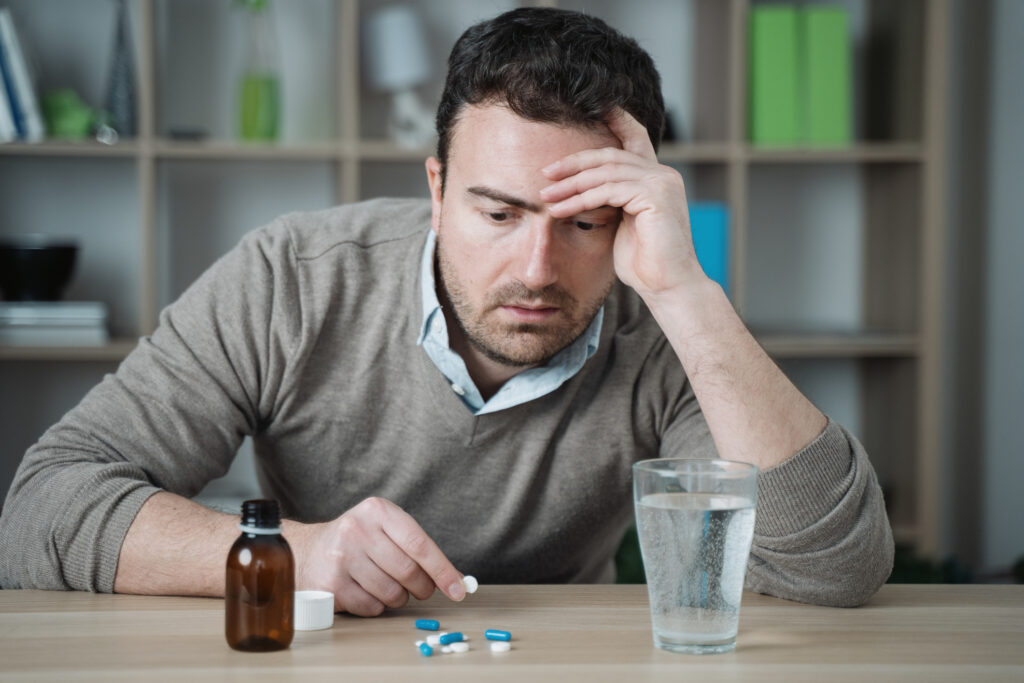
When anxiety becomes a daily shadow instead of an occasional
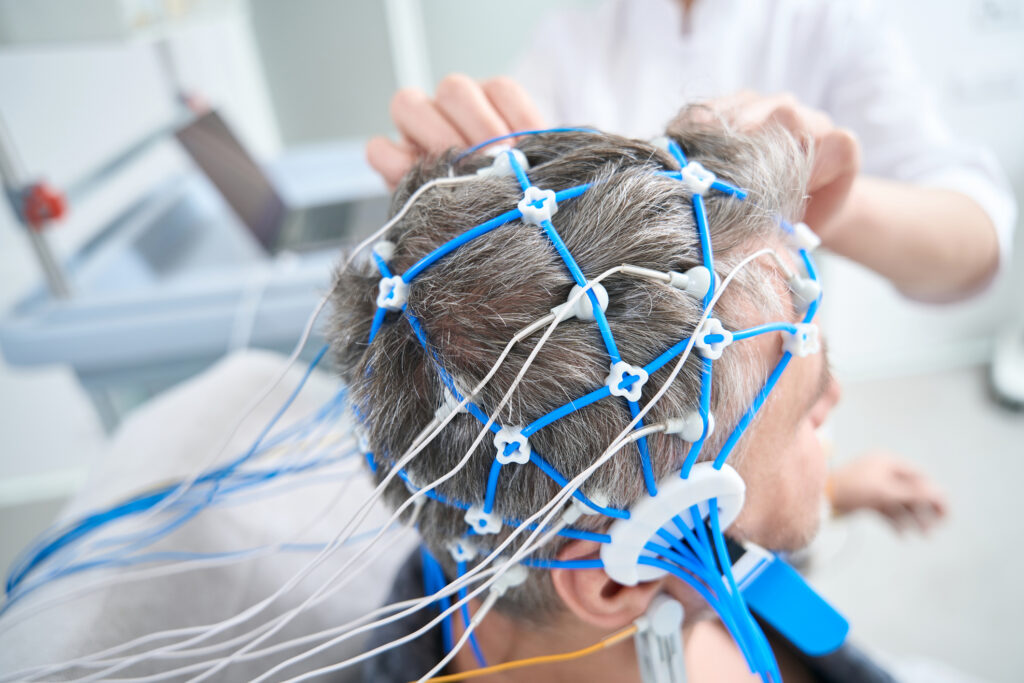
Post-traumatic stress disorder (PTSD) can make daily life feel like
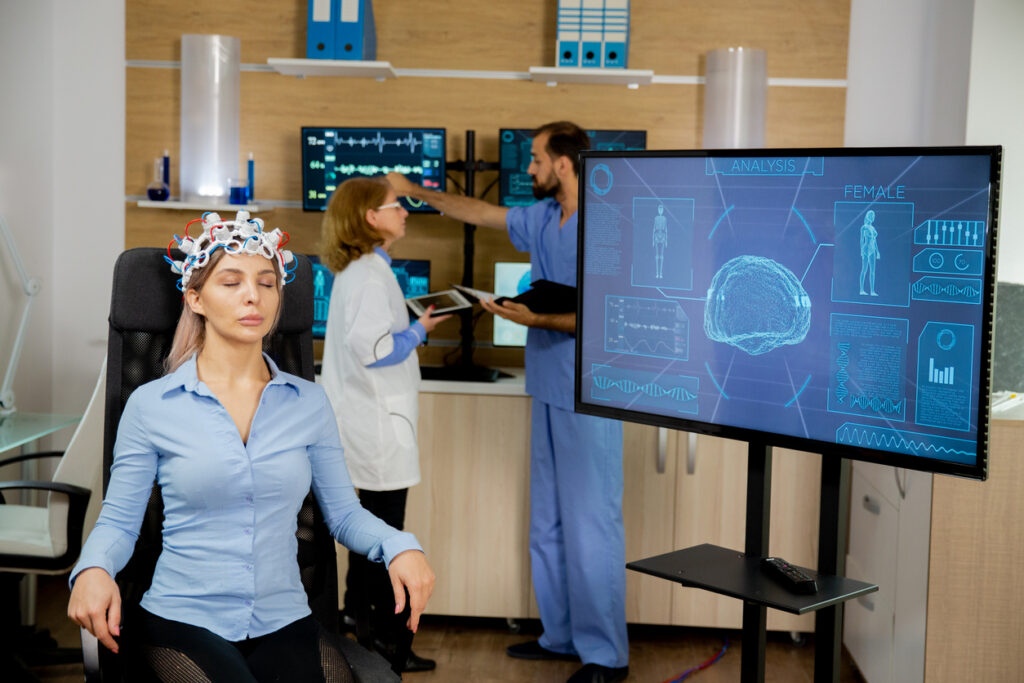
If you’re living with ongoing depression, you’ve likely explored many