

If you or a loved one are struggling with mental health challenges such as depression or anxiety, finding effective treatment options can feel overwhelming. Fortunately, in Provo, UT, Transcranial Magnetic Stimulation (TMS) therapy offers a promising, non-invasive approach to healing. This innovative treatment has helped many regain hope and improve their quality of life when other methods have fallen short. Understanding what TMS therapy entails and how it can benefit you is an important first step toward recovery.
Transcranial Magnetic Stimulation, commonly known as TMS, is a cutting-edge treatment designed to stimulate specific areas of the brain using magnetic fields. It is a non-invasive procedure that targets brain regions involved in mood regulation and cognitive function. Unlike medications, TMS does not involve systemic side effects, making it an appealing option for many patients.
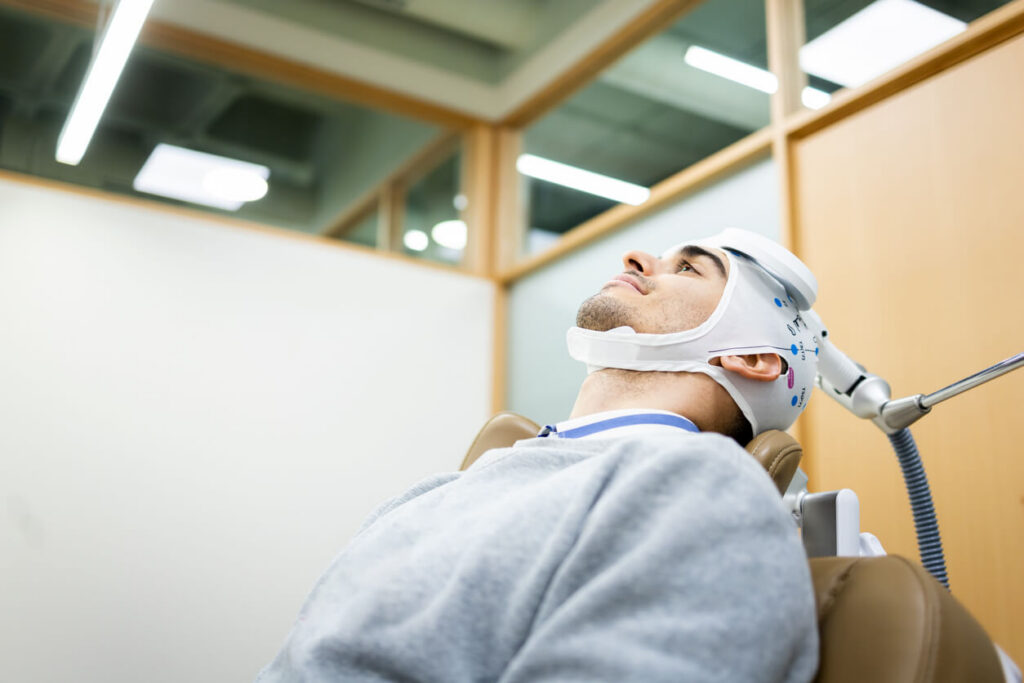
At its core, TMS therapy uses electromagnetic pulses to activate nerve cells in the brain. These pulses are delivered through a coil placed gently against the scalp, creating magnetic fields that penetrate the skull and influence brain activity. This stimulation can help restore normal function in areas that may be underactive or dysregulated due to mental health conditions.
Because TMS is FDA-approved, it has undergone rigorous testing to ensure its safety and effectiveness. It is primarily used to treat depression, especially in cases where traditional treatments have not provided sufficient relief. However, ongoing research continues to explore its potential for other disorders, expanding the scope of this promising therapy.

Transcranial Magnetic Stimulation is a form of neuromodulation that uses magnetic pulses to influence brain activity. The procedure is painless and typically performed in outpatient settings. Patients remain awake and alert during sessions, which usually last between 20 to 40 minutes.
The magnetic pulses generated by the TMS device induce small electrical currents in targeted brain areas. These currents can alter neuronal firing patterns, promoting neuroplasticity—the brain’s ability to reorganize and form new connections. This process is believed to underlie the therapeutic effects of TMS.
Because TMS targets specific brain regions, it offers a focused approach to treatment. This precision helps minimize side effects and maximizes benefits, making it a valuable tool in mental health care.
The science behind TMS therapy is grounded in understanding brain circuitry involved in mood and cognition. In depression, for example, certain areas of the prefrontal cortex may show reduced activity. TMS aims to stimulate these underactive regions to rebalance brain function.
During a TMS session, a coil positioned on the scalp emits magnetic pulses that penetrate the skull and induce electrical currents in the brain. These currents modulate neuronal activity, encouraging the brain to rewire itself in beneficial ways. Over a series of treatments, this can lead to lasting improvements in mood and cognitive function.
Research has demonstrated that TMS can increase the release of neurotransmitters such as serotonin and dopamine, which play critical roles in regulating mood. By enhancing these chemical pathways, TMS helps alleviate symptoms of depression and other mental health disorders.
The U.S. Food and Drug Administration (FDA) has approved TMS therapy primarily for the treatment of major depressive disorder (MDD) in adults who have not responded adequately to antidepressant medications. This approval reflects the strong evidence supporting TMS as an effective and safe treatment option.
In addition to depression, the FDA has cleared certain TMS devices for use in treating obsessive-compulsive disorder (OCD). This expansion highlights the growing recognition of TMS’s potential to address a range of psychiatric conditions.
While other uses of TMS, such as for anxiety disorders or post-traumatic stress disorder (PTSD), are still considered off-label, ongoing clinical trials continue to explore these possibilities. Patients interested in TMS should discuss with their providers whether this therapy might be appropriate for their specific condition.
In Provo, UT, TMS therapy is increasingly recognized as a valuable treatment for several mental health conditions. Its non-invasive nature and minimal side effect profile make it an attractive option for individuals seeking alternatives to medication or those who have not found relief through traditional therapies.
Understanding the range of conditions that TMS can address helps patients and families make informed decisions about their care. Below are some of the most common disorders treated with TMS in the Provo area.
Treatment-resistant depression (TRD) refers to depression that does not improve after trying multiple antidepressant medications or therapies. For many individuals in Provo facing this challenge, TMS offers renewed hope.
By directly stimulating brain regions involved in mood regulation, TMS can help break the cycle of persistent depressive symptoms. Many patients experience significant improvements in mood, energy, and overall functioning after completing a course of TMS treatments.
Because TRD can be debilitating and impact every aspect of life, TMS provides a critical option for those who have exhausted other avenues. The compassionate providers in Provo are dedicated to supporting patients through this journey toward recovery.
Major depressive disorder (MDD) is a common and serious mental health condition characterized by persistent feelings of sadness, loss of interest, and impaired daily functioning. TMS therapy has been shown to be effective in reducing symptoms of MDD, especially when medications alone are insufficient.
In Provo, many individuals with MDD have found relief through TMS, often experiencing improvements within weeks of starting treatment. The therapy is tailored to each patient’s needs, ensuring the best possible outcomes.
Because MDD can affect people of all ages and backgrounds, access to TMS in Provo helps broaden treatment options and supports a more personalized approach to mental health care.
Anxiety disorders, including generalized anxiety disorder (GAD) and panic disorder, can be profoundly disruptive. While TMS is not yet FDA-approved specifically for anxiety, many patients in Provo have benefited from its calming effects as part of a comprehensive treatment plan.
TMS may help regulate brain circuits involved in fear and worry, reducing the intensity and frequency of anxiety symptoms. When combined with therapy and lifestyle changes, TMS can contribute to a more balanced emotional state.
Providers in Provo carefully evaluate each patient’s unique situation to determine if TMS is a suitable option for managing anxiety symptoms.
Obsessive-compulsive disorder (OCD) is characterized by intrusive thoughts and repetitive behaviors that interfere with daily life. The FDA has approved specific TMS protocols for treating OCD, recognizing its potential to alleviate symptoms.
In Provo, patients with OCD have access to TMS treatments that target brain regions implicated in the disorder. This approach can reduce the severity of compulsions and obsessions, improving quality of life.
Because OCD can be challenging to treat, TMS offers an important alternative or adjunct to medication and cognitive-behavioral therapy (CBT).
Beginning TMS therapy can feel like a big step, especially if you are unfamiliar with the process. Understanding what to expect can help ease anxiety and prepare you for a positive treatment experience in Provo.
From the initial consultation to the final session, the TMS journey is designed to be supportive, transparent, and patient-centered.
Your TMS journey begins with a thorough consultation with a qualified provider in Provo. During this appointment, your medical history, mental health status, and previous treatments will be reviewed in detail.
This evaluation helps determine whether TMS is an appropriate option for you. Providers will discuss your goals, answer questions, and explain the treatment process so you can make an informed decision.
Building a trusting relationship with your TMS provider is a key part of the initial consultation, ensuring you feel comfortable and supported throughout your care.
Not everyone is an ideal candidate for TMS therapy. Your provider will assess factors such as your diagnosis, treatment history, and any medical conditions that might affect safety or effectiveness.
For example, individuals with certain types of metal implants in or near the head may not be eligible for TMS. Additionally, providers consider whether other treatments might be more appropriate based on your unique circumstances.
This careful screening process helps maximize the likelihood of successful outcomes and minimizes risks.
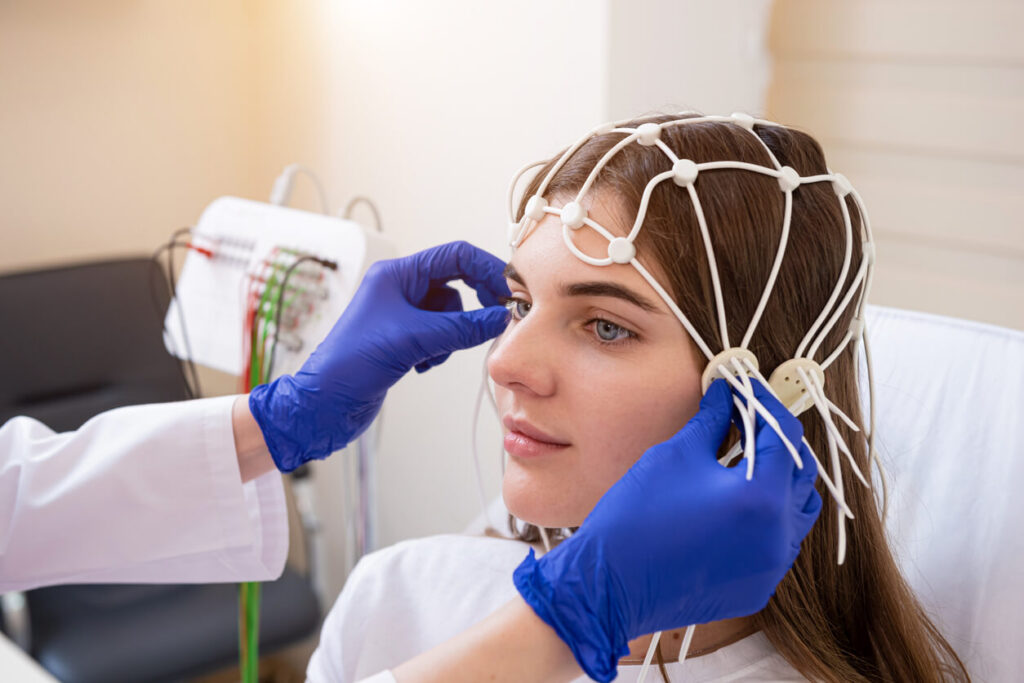
Once cleared for TMS, you may undergo brain mapping to identify the precise areas of the brain to target during treatment. This step involves measuring the motor threshold, which helps calibrate the intensity of magnetic pulses.
Brain mapping ensures that the treatment is personalized to your brain’s unique characteristics, enhancing effectiveness. Your provider will develop a treatment plan outlining the number of sessions, frequency, and duration tailored to your needs.
Clear communication about the plan helps set expectations and fosters collaboration between you and your care team.
During each TMS session, you will be seated comfortably while the technician positions the magnetic coil against your scalp. The device then delivers brief magnetic pulses to the targeted brain area.
The procedure is painless, though some patients may feel a tapping sensation or mild scalp discomfort. Sessions typically last 20 to 40 minutes, and you can resume normal activities immediately afterward.
TMS treatments are usually administered five days a week over four to six weeks, depending on your treatment plan. Regular sessions help build cumulative benefits and promote lasting improvements.
Provo offers access to several types of TMS therapy, each with unique features designed to meet diverse patient needs. Understanding these options can help you and your provider select the best approach for your condition.
Standard or repetitive TMS (rTMS) is the most widely used form of TMS therapy. It involves delivering repeated magnetic pulses to the prefrontal cortex to stimulate brain activity.
rTMS has a strong evidence base supporting its use in treatment-resistant depression and is often the first choice for patients beginning TMS therapy in Provo.
The treatment sessions are typically daily and last about 30 to 40 minutes. Patients generally tolerate rTMS well, with minimal side effects.
Deep TMS (dTMS) uses specialized coils that penetrate deeper into the brain, reaching areas that standard TMS may not affect. This allows for stimulation of broader neural networks involved in mood and anxiety disorders.
dTMS has been FDA-approved for both depression and OCD, offering an alternative for patients who may benefit from deeper brain stimulation.
In Provo, dTMS is available at select clinics equipped with the necessary technology and expertise to administer this advanced treatment safely and effectively.
Theta Burst Stimulation (TBS) is a newer form of TMS that delivers bursts of magnetic pulses at a higher frequency but in shorter sessions. This approach can reduce treatment time while maintaining therapeutic benefits.
TBS is gaining popularity due to its efficiency and convenience, making it an attractive option for busy patients in Provo.
Research suggests that TBS may produce similar or even superior outcomes compared to standard rTMS, though individual responses can vary.
Safety is a paramount concern for anyone considering TMS therapy. Fortunately, TMS has a strong safety profile, but understanding potential side effects and contraindications is essential for informed decision-making.
TMS therapy is generally considered safe when administered by trained professionals following established protocols. Because it is non-invasive and does not involve anesthesia or systemic medications, risks are minimal compared to other treatments.
Extensive clinical studies have demonstrated that serious adverse events are rare. The most significant risk is the potential for seizures, but this is extremely uncommon and typically associated with pre-existing conditions or improper use.
Providers in Provo adhere to strict safety guidelines to minimize risks and monitor patients closely throughout treatment.
Most patients tolerate TMS well, but some may experience mild side effects. The most common include scalp discomfort or mild headaches during or after sessions.
These symptoms are usually temporary and resolve quickly without intervention. Some patients report twitching of facial muscles or a tapping sensation during treatment, which is normal.
Serious side effects are rare, but any unusual symptoms should be promptly reported to your provider to ensure safety.
TMS is not suitable for everyone. Individuals with metal implants in or near the head, such as cochlear implants, aneurysm clips, or certain types of pacemakers, may be at risk due to the magnetic fields.
People with a history of seizures or epilepsy require careful evaluation before undergoing TMS, as the treatment can potentially lower seizure threshold.
Pregnant women and individuals with certain neurological conditions should discuss risks and benefits thoroughly with their healthcare provider before starting TMS.
When considering treatment options for depression, it is important to understand how TMS compares to other modalities such as medications and psychotherapy. Each approach has unique advantages and may be used alone or in combination.
Antidepressant medications are often the first line of treatment for depression, but they can come with side effects such as weight gain, fatigue, or sexual dysfunction. Additionally, some patients do not respond adequately to medications.
TMS offers a non-pharmacological alternative that avoids systemic side effects. It can be especially beneficial for those who have tried multiple medications without success or who prefer to avoid medication altogether.
Unlike medications, TMS targets brain circuits directly, potentially leading to faster and more sustained improvements in mood.
Psychotherapy, including cognitive-behavioral therapy (CBT), is a cornerstone of mental health treatment. While therapy addresses thought patterns and coping strategies, TMS works on the biological underpinnings of depression.
Many patients find that combining TMS with therapy provides the most comprehensive approach, addressing both brain function and emotional processing.
Therapy remains essential for developing skills to manage stress and prevent relapse, complementing the benefits of TMS.
In many cases, TMS is used alongside medications and psychotherapy to maximize treatment outcomes. This integrated approach allows for personalized care tailored to each patient’s needs.
Providers in Provo work closely with patients to coordinate care, monitor progress, and adjust treatment plans as necessary.
Combining TMS with lifestyle changes, such as exercise and mindfulness, can further enhance recovery and promote long-term wellness.
Choosing where to receive TMS therapy is an important decision. Provo offers several advantages that make it an excellent location for accessing this innovative treatment.
From advanced technology to experienced providers, patients in Provo benefit from comprehensive, compassionate care designed to support healing.
Provo clinics are equipped with the latest TMS devices, including options for standard rTMS, deep TMS, and theta burst stimulation. This access ensures patients receive cutting-edge care tailored to their specific needs.
State-of-the-art equipment enhances treatment precision, comfort, and effectiveness, contributing to better outcomes.
Patients can feel confident knowing they are receiving therapy that meets the highest standards of quality and innovation.
The TMS providers in Provo are highly trained mental health professionals with extensive experience in administering and managing TMS therapy. Their expertise ensures safe, effective treatment and personalized support throughout the process.
Providers take time to listen, educate, and empower patients, fostering a collaborative environment that promotes healing.
Choosing a provider with a strong track record and compassionate approach can make a significant difference in your TMS experience.
Finding the right TMS provider is a crucial step toward successful treatment. It involves careful consideration of clinic qualities, provider credentials, and your personal comfort.
Taking the time to research and ask questions helps ensure you receive the best possible care tailored to your needs.
When selecting a TMS clinic in Provo, consider factors such as the clinic’s reputation, technology used, and patient reviews. A welcoming environment and attentive staff can greatly enhance your treatment experience.
Look for clinics that offer thorough evaluations, clear communication, and ongoing support throughout your treatment journey.
Accessibility and convenient scheduling are also important to maintain consistency in your therapy sessions.
Preparing questions before your consultation can help you feel more confident and informed. Consider asking about the provider’s experience, success rates, potential side effects, and what to expect during treatment.
Inquire about insurance coverage, session frequency, and how progress will be monitored. Understanding these details helps set realistic expectations and fosters trust.
Your provider should be open and willing to address all your concerns with compassion and clarity.
Extremely educated about Ketamine therapy. My depression symptoms improved, despite the exorbitant cost.
C.F.
Google
Extremely educated about Ketamine therapy. My depression symptoms improved, despite the exorbitant cost.
R.H.
Google
Dr. Clay has given me my life, family, and friends back to me. When I first started seeing Dr. Clay, I was so depressed and anxious that I didn’t go out of the house. Dr. Clay’s medical assistant on my first appointment told me that he would never give up on me and he never has. Flash forward to now, and I’m seeing my friends, family, going out to run errands on my own, and even going to see my beloved sister in Colorado March 1st with our daughter. I am SO thankful for Dr. Clay and his team at Serenity Mental Health. They are a huge blessing and I feel so lucky to have found them!
k.
Google
My psychiatrist is named Dr. Colvin and he is an excellent person to count on for aid with mental health. He has prescribed medicine for me that has worked wonders in my life, and he continues to meet my concerns by providing more medication when needed. Alongside him, the staff is extremely flexible with their availability, and whenever I’ve needed to change a date on the calendar for appointments, they have been swift and generous to meet those needs as well. I’d recommend Serenity to anyone that is struggling to battle the demons in their head; they have changed my life and I know they will do the same for you as well.
K.D.
Google
Tolulope’s experience with TMS therapy has been excellent. She is patient and really kind, even if the initial consultation took some time to schedule.
M.V.
Google
Ensure your TMS provider is licensed and trained in administering TMS therapy. Experience with a variety of mental health conditions and familiarity with the latest TMS protocols are important indicators of quality care.
Providers who stay current with research and continuing education demonstrate a commitment to excellence and patient safety.
Don’t hesitate to ask about their background and success stories to gain confidence in your choice.
Preparing for your TMS consultation involves gathering relevant medical history and any previous treatment records. This information will help your provider understand your unique situation and tailor the treatment plan accordingly.
Consider writing down your symptoms, how long you’ve been experiencing them, and any treatments you’ve tried in the past. This will facilitate a more productive conversation during your appointment.
Additionally, think about your goals for TMS therapy. What do you hope to achieve? Having clear objectives can guide your treatment and help your provider develop a plan that aligns with your needs.

Taking the first step toward TMS treatment can feel daunting, but it is a courageous move toward healing and recovery. Understanding the process and what to expect can help ease any apprehensions you may have.
In Provo, the supportive environment and dedicated professionals are here to guide you through every step of your TMS journey.
Starting TMS therapy begins with reaching out to a qualified provider in Provo. You can schedule an initial consultation to discuss your symptoms and explore whether TMS is the right fit for you.
During this appointment, your provider will take the time to listen to your concerns, answer your questions, and explain the TMS process in detail. This is an opportunity to assess your comfort level and build a trusting relationship with your care team.
Taking this first step is a significant move toward reclaiming your mental health and well-being.
When attending your first TMS appointment, it’s helpful to bring any relevant medical records, a list of medications you are currently taking, and any previous treatment history. This information will assist your provider in making informed decisions about your care.
Additionally, consider bringing a support person if you feel comfortable. Having someone with you can provide emotional support and help you remember important details discussed during the consultation.
Being prepared can help you feel more at ease and ensure that you get the most out of your appointment.
The evaluation process for TMS therapy is thorough and designed to ensure that you receive the most appropriate care. After your initial consultation, your provider may conduct further assessments, including psychological evaluations and brain mapping, to determine the best treatment approach.
This comprehensive evaluation helps identify the specific areas of the brain that will be targeted during TMS sessions, ensuring a personalized treatment plan that aligns with your unique needs.
Throughout this process, your provider will maintain open communication, allowing you to ask questions and express any concerns you may have. This collaborative approach fosters a sense of partnership in your care, which is essential for successful treatment outcomes.
If you’ve tried ADHD medication and ended up dealing with
Important: This article provides educational information only. Treatment decisions should

For many people living with PTSD, understanding their trauma isn’t