

If you or a loved one are struggling with mental health challenges such as depression or anxiety, finding effective treatment options can feel overwhelming. Fortunately, in Holladay, UT, Transcranial Magnetic Stimulation (TMS) therapy offers a promising, non-invasive approach to healing. This innovative treatment has helped many individuals regain hope and improve their quality of life when other methods have fallen short. Understanding what TMS therapy entails and how it can benefit you is the first step toward a brighter future.
Transcranial Magnetic Stimulation, commonly known as TMS therapy, is a cutting-edge medical treatment designed to stimulate specific areas of the brain using magnetic fields. It is a non-invasive procedure that does not require anesthesia or surgery, making it a safe alternative for many patients. The goal of TMS is to modulate brain activity in regions associated with mood regulation and mental health disorders.
Unlike traditional treatments that rely on medications or talk therapy alone, TMS directly targets the brain’s neural circuits. This approach can be particularly beneficial for individuals who have not responded well to antidepressants or other conventional therapies. By using magnetic pulses, TMS encourages the brain to rewire itself, promoting healthier patterns of activity and improving symptoms.

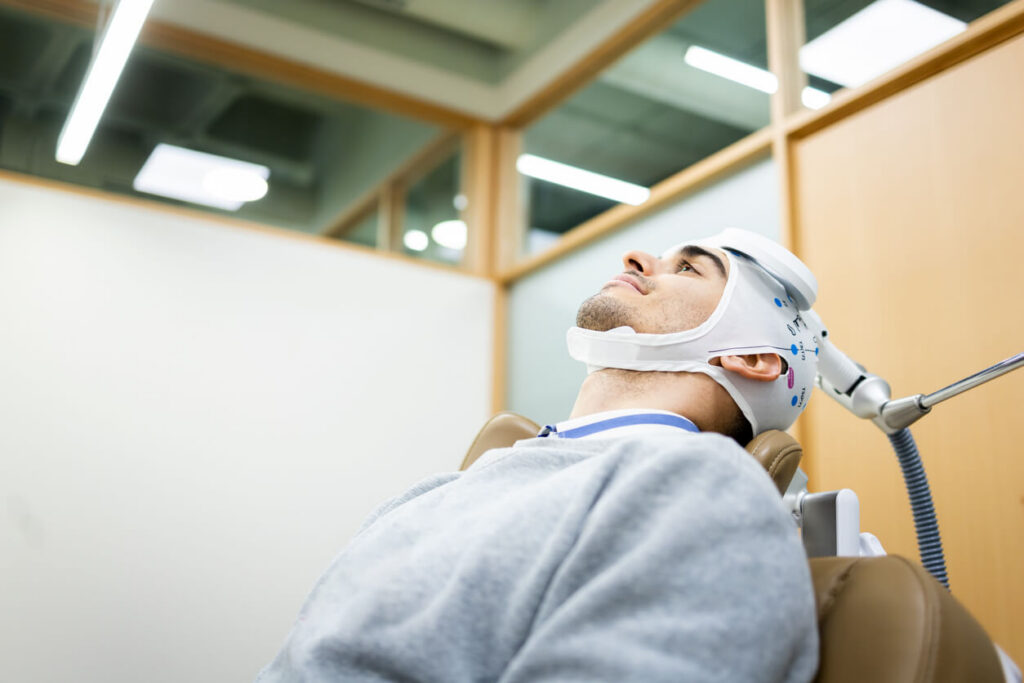
At its core, TMS involves placing an electromagnetic coil against the scalp near the forehead. This coil generates brief magnetic pulses that pass painlessly through the skull and into the brain. These pulses stimulate nerve cells in the prefrontal cortex, an area involved in mood regulation and cognitive function.
The stimulation helps to activate underactive regions of the brain or calm overactive areas, depending on the condition being treated. This targeted approach allows for precise modulation of brain activity without affecting surrounding tissues. Patients remain awake and alert during the procedure, which typically lasts between 20 to 40 minutes per session.
TMS therapy leverages the principles of neuroplasticity—the brain’s ability to change and adapt throughout life. By delivering controlled magnetic pulses, TMS encourages the formation of new neural connections and strengthens existing pathways. This process can restore balance in brain circuits disrupted by mental health disorders.
Research has shown that repeated sessions of TMS can lead to lasting improvements in mood and cognitive function. The treatment is usually administered daily over several weeks to achieve optimal results. The cumulative effect of these sessions helps to reset brain activity patterns, reducing symptoms and enhancing overall well-being.
The U.S. Food and Drug Administration (FDA) has approved TMS therapy primarily for the treatment of major depressive disorder (MDD) in adults who have not responded adequately to antidepressant medications. This approval underscores the therapy’s safety and effectiveness when administered by trained professionals.
Beyond depression, ongoing research and clinical practice have expanded TMS applications to other conditions such as anxiety disorders, obsessive-compulsive disorder (OCD), and certain types of post-traumatic stress disorder (PTSD). While some of these uses are considered off-label, many patients in Holladay, UT, have found relief through tailored TMS protocols addressing their unique needs.
TMS therapy in Holladay is utilized to address a variety of mental health conditions, offering hope to those who have struggled with persistent symptoms. Its versatility and non-invasive nature make it an attractive option for many patients seeking alternatives to medication or traditional therapy.
One of the most common reasons individuals seek TMS therapy is treatment-resistant depression. This form of depression does not improve despite trying multiple antidepressant medications or psychotherapy. For these patients, TMS offers a new avenue for relief by directly stimulating brain regions involved in mood regulation.
Studies have demonstrated that many patients experience significant symptom reduction after completing a course of TMS treatments. This can lead to improved daily functioning, better relationships, and a renewed sense of hope. In Holladay, specialized clinics provide compassionate care tailored to those facing this challenging diagnosis.
Major depressive disorder affects millions of people and can severely impact quality of life. TMS therapy has become an important tool in managing this condition, especially for those who prefer non-pharmacological treatments or who experience side effects from medications.
By targeting the dorsolateral prefrontal cortex, TMS helps to rebalance brain activity associated with mood and motivation. Patients often report improvements in energy, sleep, and overall outlook after a series of sessions. The treatment’s non-invasive nature allows individuals to continue their daily routines with minimal disruption.
Anxiety disorders, including generalized anxiety disorder and panic disorder, can be debilitating. While medications and therapy remain standard treatments, TMS is emerging as a valuable adjunct or alternative. By modulating brain circuits linked to fear and stress responses, TMS can reduce anxiety symptoms and improve emotional regulation.
In Holladay, mental health providers are increasingly incorporating TMS into comprehensive treatment plans for anxiety. Patients often find that TMS helps them regain control over their thoughts and feelings, enabling a more balanced and peaceful life.
Obsessive-compulsive disorder is characterized by intrusive thoughts and repetitive behaviors that interfere with daily functioning. Traditional treatments include cognitive-behavioral therapy and medications, but some patients continue to struggle despite these interventions.
TMS therapy offers a promising option by targeting brain areas involved in the regulation of compulsive behaviors. Clinical trials have shown that TMS can reduce the severity of OCD symptoms, providing relief and improving quality of life. In Holladay, specialized TMS protocols are available to address this complex condition with care and precision.
Understanding the steps involved in TMS therapy can help ease any apprehension and prepare you for a positive treatment experience. The process is designed to be patient-centered, with thorough evaluations and personalized care plans.
Your journey begins with an initial consultation where a qualified mental health professional will review your medical history, current symptoms, and previous treatments. This evaluation helps determine whether TMS therapy is a suitable option for you.
During this appointment, you will have the opportunity to ask questions and discuss your treatment goals. The provider will explain the procedure in detail, addressing any concerns and setting realistic expectations for outcomes.
Not everyone is an ideal candidate for TMS therapy. Factors such as the presence of metal implants in the head, certain neurological conditions, or a history of seizures may affect eligibility. Your provider will carefully assess these considerations to ensure your safety.
In Holladay, clinics follow strict screening protocols to identify candidates who are most likely to benefit from TMS. This personalized approach maximizes the chances of successful treatment while minimizing risks.
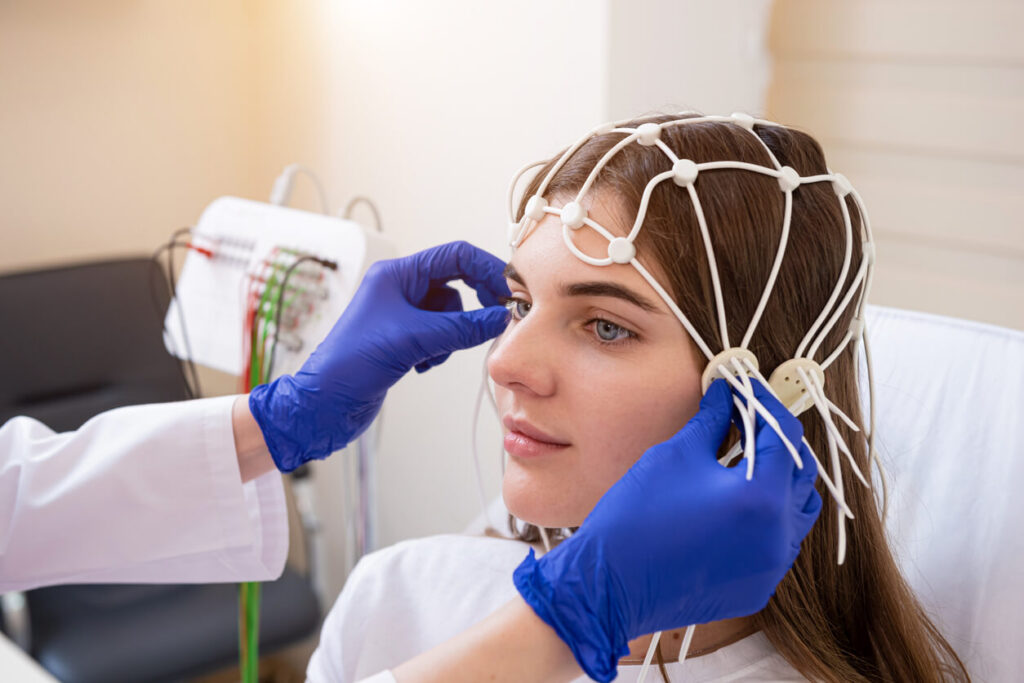
Before beginning TMS sessions, some providers perform brain mapping to locate the precise areas of the brain to target. This process may involve imaging techniques or measurements taken during the initial evaluation.
Customized treatment plans are then developed based on your unique brain activity patterns and clinical needs. This tailored approach enhances the effectiveness of TMS and supports your journey toward recovery.
Each TMS session typically lasts between 20 and 40 minutes. You will be comfortably seated while the electromagnetic coil is positioned against your scalp. The device delivers magnetic pulses in a rhythmic pattern, which you may feel as a tapping sensation on your head.
Most patients find the procedure tolerable and experience minimal discomfort. You will be awake and alert throughout the session and can resume normal activities immediately afterward. Treatment usually involves daily sessions over several weeks to achieve the best results.
Advancements in TMS technology have led to the development of various treatment modalities, each with unique features and benefits. Holladay providers offer several options to meet diverse patient needs.
Standard or repetitive TMS (rTMS) is the most widely used form of TMS therapy. It involves delivering repeated magnetic pulses to the prefrontal cortex to stimulate neural activity. This method has been extensively studied and is FDA-approved for depression treatment.
rTMS sessions are typically administered five days a week for four to six weeks. Patients often notice gradual improvements in mood and cognitive function as the treatment progresses.
Deep TMS (dTMS) uses specialized coils designed to penetrate deeper into brain tissue, reaching areas that standard TMS may not affect. This approach can be particularly useful for treating more complex or resistant cases of depression and OCD.
dTMS has also received FDA clearance for certain conditions and is available in select Holladay clinics. The treatment sessions are similar in duration to standard TMS but may offer enhanced benefits for some patients.
Theta Burst Stimulation is a newer form of TMS that delivers bursts of magnetic pulses at a faster rate than traditional methods. This condensed protocol can reduce session times to just a few minutes while maintaining therapeutic effectiveness.
TBS is gaining popularity due to its convenience and efficiency, making it an attractive option for patients with busy schedules. Holladay providers trained in TBS can help determine if this treatment style aligns with your needs.
Safety is a paramount concern for anyone considering TMS therapy. Extensive research and clinical experience have demonstrated that TMS is generally safe when administered by qualified professionals.
TMS is a non-invasive procedure that does not involve anesthesia or systemic medications, reducing the risk of serious complications. The magnetic pulses used are carefully controlled to avoid harm to brain tissue.
Most patients tolerate TMS well, and serious adverse events are rare. Clinics in Holladay adhere to strict safety protocols and monitor patients closely throughout treatment to ensure comfort and well-being.
Some individuals may experience mild side effects during or after TMS sessions. The most common include scalp discomfort or mild headaches at the site of stimulation. These symptoms are usually temporary and resolve quickly.
Other less frequent side effects can include lightheadedness or twitching of facial muscles during treatment. Your provider will discuss these possibilities with you and offer strategies to minimize discomfort.
TMS is not suitable for everyone. Individuals with implanted metallic devices in or near the head, such as cochlear implants or aneurysm clips, may be at risk. Additionally, those with a history of seizures or certain neurological disorders require careful evaluation before proceeding.
Pregnant women and individuals with unstable medical conditions should consult their healthcare providers to weigh the risks and benefits. Your TMS provider in Holladay will conduct a thorough screening to ensure your safety and appropriateness for treatment.
When exploring treatment options for depression, it’s important to understand how TMS compares to other modalities. Each approach has unique advantages and may be combined for optimal outcomes.
Antidepressant medications are often the first line of treatment for depression. While effective for many, they can cause side effects such as weight gain, fatigue, or sexual dysfunction. Additionally, some patients do not respond adequately to medications.
TMS offers a drug-free alternative that targets the brain directly without systemic side effects. It can be especially beneficial for those who have experienced medication intolerance or insufficient relief. However, TMS may require a longer commitment to multiple sessions compared to daily medication use.
Psychotherapy, including cognitive-behavioral therapy, is a cornerstone of mental health treatment. While therapy addresses emotional and behavioral aspects, TMS focuses on the biological underpinnings of depression and related disorders.
Many patients find that combining TMS with counseling provides a comprehensive approach, addressing both brain function and psychological factors. In Holladay, integrated care models support this holistic treatment philosophy.
TMS can be safely combined with medications and psychotherapy to enhance overall effectiveness. Your healthcare team will tailor your treatment plan based on your history and response to previous interventions.
This flexibility allows for personalized care that adapts to your evolving needs, increasing the likelihood of sustained recovery and improved quality of life.
Choosing where to receive TMS therapy is an important decision that can impact your treatment experience and outcomes. Holladay offers several advantages for those seeking this innovative care.
Clinics in Holladay are equipped with the latest TMS devices, including options for standard rTMS, deep TMS, and theta burst stimulation. This access ensures that patients receive cutting-edge treatments tailored to their specific conditions.
Providers stay current with emerging research and technological advancements, continually refining protocols to maximize safety and effectiveness. This commitment to excellence benefits patients seeking the best possible care.
The mental health professionals administering TMS in Holladay are highly trained and experienced in this specialized field. They understand the complexities of mental health disorders and the nuances of TMS therapy.
Compassionate care and individualized attention are hallmarks of Holladay TMS clinics. Providers work closely with patients to monitor progress, adjust treatment plans, and provide support throughout the healing journey.
Locating a trustworthy and skilled TMS provider is essential for a successful treatment experience. Taking the time to research and ask questions can help you make an informed choice.
When selecting a TMS clinic, consider factors such as the qualifications of the staff, the range of treatment options offered, and the clinic’s reputation. Facilities that prioritize patient comfort and provide thorough education about TMS are ideal.
Reading reviews and seeking recommendations from healthcare professionals or support groups can also guide your decision. A welcoming environment where you feel heard and respected is crucial for your confidence and peace of mind.
During your consultation, don’t hesitate to ask about the provider’s experience with TMS, success rates, and what you can expect during treatment. Inquire about potential side effects, session frequency, and how progress will be monitored.
Understanding the logistics, costs, and insurance coverage options will also help you plan effectively. Open communication fosters trust and ensures that your needs and concerns are addressed.
Extremely educated about Ketamine therapy. My depression symptoms improved, despite the exorbitant cost.
C.F.
Google
Extremely educated about Ketamine therapy. My depression symptoms improved, despite the exorbitant cost.
R.H.
Google
Dr. Clay has given me my life, family, and friends back to me. When I first started seeing Dr. Clay, I was so depressed and anxious that I didn’t go out of the house. Dr. Clay’s medical assistant on my first appointment told me that he would never give up on me and he never has. Flash forward to now, and I’m seeing my friends, family, going out to run errands on my own, and even going to see my beloved sister in Colorado March 1st with our daughter. I am SO thankful for Dr. Clay and his team at Serenity Mental Health. They are a huge blessing and I feel so lucky to have found them!
k.
Google
My psychiatrist is named Dr. Colvin and he is an excellent person to count on for aid with mental health. He has prescribed medicine for me that has worked wonders in my life, and he continues to meet my concerns by providing more medication when needed. Alongside him, the staff is extremely flexible with their availability, and whenever I’ve needed to change a date on the calendar for appointments, they have been swift and generous to meet those needs as well. I’d recommend Serenity to anyone that is struggling to battle the demons in their head; they have changed my life and I know they will do the same for you as well.
K.D.
Google
Tolulope’s experience with TMS therapy has been excellent. She is patient and really kind, even if the initial consultation took some time to schedule.
M.V.
Google
Look for providers who are board-certified in psychiatry or neurology and have specialized training in TMS therapy. Experience with a variety of mental health conditions and familiarity with the latest TMS technologies are important indicators of quality care.
Continuing education and involvement in research or professional organizations demonstrate a commitment to excellence and staying abreast of best practices.
Before your appointment, gather relevant medical records, a list of current medications, and notes about your mental health history. Being prepared will help your provider conduct a thorough evaluation and develop an appropriate treatment plan.
Consider writing down any questions or concerns you have about TMS therapy. This preparation ensures that you make the most of your consultation and feel empowered to make informed decisions.

Beginning TMS therapy is a hopeful step toward reclaiming your mental health and well-being. Understanding the initial stages can help you approach treatment with confidence and clarity.
Contacting a TMS provider in Holladay to schedule an initial consultation is the first step. This appointment will help determine if TMS is right for you and outline the treatment process.
Many patients find that simply reaching out for help is empowering and marks the start of a positive transformation. Supportive providers are ready to guide you through every phase of care.
Bring identification, insurance information, a list of current medications, and any relevant medical or psychiatric records. Also, prepare to discuss your mental health history and previous treatments in detail.
Having a trusted friend or family member accompany you can provide emotional support and help you remember important information discussed during the visit.
During your evaluation, the provider will assess your symptoms, medical history, and treatment goals. This comprehensive review helps determine your suitability for TMS and informs the development of a personalized treatment plan.
The provider will explain the procedure, answer your questions, and discuss what to expect during the course of therapy. This collaborative approach ensures that you feel comfortable and informed as you begin your journey toward healing.
If you’ve tried ADHD medication and ended up dealing with
Important: This article provides educational information only. Treatment decisions should

For many people living with PTSD, understanding their trauma isn’t