

Home / University Park, TX / TMS Treatment
If you or a loved one are experiencing depression, anxiety, or other mental health challenges, discovering effective treatment can feel daunting. Fortunately, in University Park and the Dallas Metro Area, Transcranial Magnetic Stimulation (TMS) therapy provides a promising, non-invasive option that has helped many individuals restore hope and enhance their quality of life. This innovative treatment is designed to target specific brain regions involved in mood regulation, delivering relief when traditional therapies may not have achieved success. Understanding what TMS therapy involves and how it can benefit you is a crucial step toward healing and recovery throughout the Greater Dallas area.
Transcranial Magnetic Stimulation, commonly known as TMS therapy, is an advanced treatment that utilizes magnetic fields to stimulate nerve cells in the brain. It is primarily employed to treat depression, particularly in cases where patients have not responded favorably to medications or psychotherapy. The therapy is non-invasive, meaning it does not require surgery or anesthesia, making it a safer option for many individuals in University Park and the Dallas-Fort Worth area.
Unlike medications that circulate throughout the body, TMS targets specific brain regions linked to mood and emotional regulation. This precise approach helps activate areas that may be underactive in people experiencing depression or anxiety. The treatment sessions are typically conducted in an outpatient setting throughout the Dallas Metro Area, enabling patients to maintain their daily routines with minimal disruption.

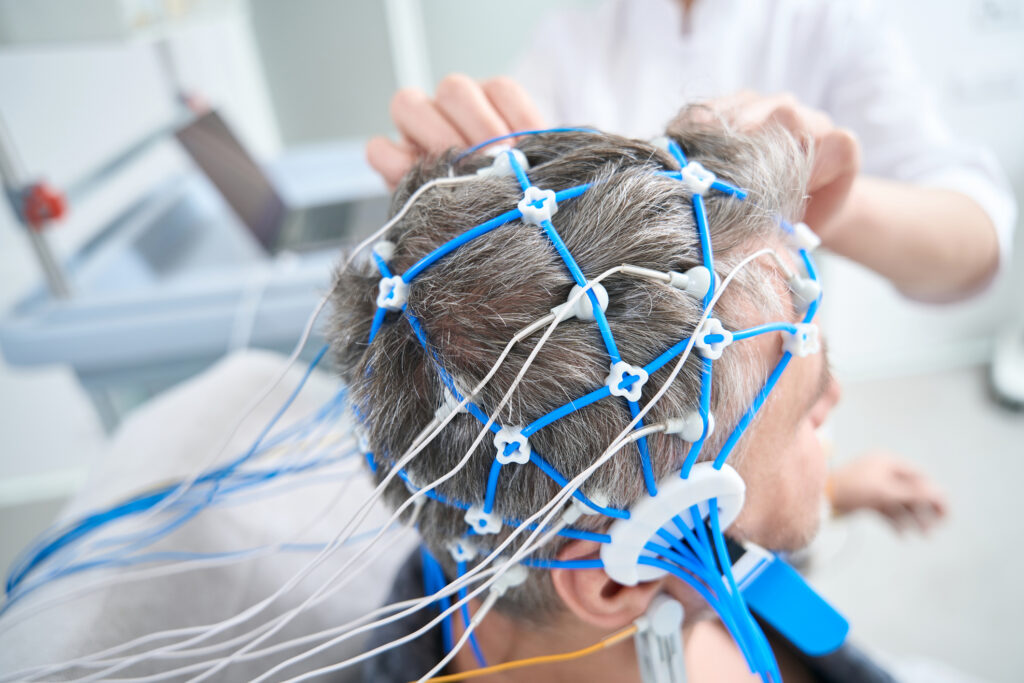
TMS therapy involves positioning an electromagnetic coil against the scalp near the forehead. This coil produces brief magnetic pulses that pass comfortably through the skull and into the brain. These pulses stimulate nerve cells in the prefrontal cortex, a region associated with mood regulation and cognitive function. By activating these neurons, TMS can help restore normal brain activity patterns that are frequently disrupted in depression and other mental health disorders throughout University Park.
The procedure is generally well-tolerated, with patients remaining awake and alert throughout each session. The magnetic pulses create a tapping sensation on the scalp, which some describe as mild but not uncomfortable. Sessions typically last between 20 to 40 minutes and are repeated several times weekly over the course of several weeks to achieve optimal outcomes in the Dallas Metro Area.
The science underlying TMS therapy is rooted in neuroplasticity, the brain’s capacity to reorganize and form new neural connections. Depression and anxiety can cause certain brain circuits to become less active or dysregulated. TMS helps to “reset” these circuits by stimulating the neurons and encouraging the brain to rewire itself in healthier patterns.
Research has demonstrated that TMS can increase the release of neurotransmitters such as serotonin, dopamine, and norepinephrine, which play essential roles in mood stabilization. This biochemical effect contributes to the reduction of depressive symptoms and improvement in emotional well-being. Over time, repeated stimulation strengthens these neural pathways, leading to sustained improvements in mood and cognitive function for patients in University Park and the Greater Dallas area.
The U.S. Food and Drug Administration (FDA) has approved TMS therapy for several mental health conditions, primarily treatment-resistant depression. This means that TMS is recognized as a safe and effective option for patients who have not found relief through antidepressant medications or psychotherapy.
In addition to major depressive disorder, TMS has received FDA clearance for use in treating obsessive-compulsive disorder (OCD). Ongoing research is exploring its potential benefits for other conditions such as anxiety disorders, post-traumatic stress disorder (PTSD), and bipolar disorder. As the evidence base expands, TMS continues to emerge as a versatile tool in the mental health treatment landscape throughout the Dallas-Fort Worth metroplex.
In University Park and the Dallas Metro Area, TMS therapy is increasingly recognized as a valuable treatment option for a range of mental health conditions. Its ability to target specific brain regions makes it particularly effective for disorders that have proven resistant to conventional treatments. Understanding which conditions can benefit from TMS can help you make informed decisions about your care.
Treatment-resistant depression is characterized by a lack of response to at least two different antidepressant medications. For individuals facing this challenge in University Park, TMS offers a new avenue of hope. By directly stimulating the brain areas involved in mood regulation, TMS can reduce symptoms where medications have failed.
Many patients report significant improvements in mood, energy levels, and overall functioning after completing a course of TMS therapy. Because it does not involve systemic side effects like those sometimes observed with medications, TMS can be a preferable option for those sensitive to drug-related adverse effects throughout the Dallas region.
Major depressive disorder (MDD) represents a widespread and severe mental health condition impacting millions of individuals. TMS therapy has demonstrated effectiveness in reducing MDD symptoms by amplifying neural activity in the prefrontal cortex. This can result in enhanced mood, increased motivation, and improved cognitive clarity for patients throughout the Dallas-Fort Worth area.
Individuals receiving TMS for MDD typically observe progressive symptom reduction across several weeks of treatment. The non-invasive characteristics of TMS enable it to complement other therapeutic interventions, offering an integrated approach to managing depression in University Park.
Anxiety disorders, encompassing generalized anxiety disorder (GAD) and panic disorder, can significantly impair functioning and prove difficult to address. Although TMS holds primary FDA approval for depression and OCD, numerous University Park practitioners utilize it off-label to assist patients experiencing anxiety symptoms. By adjusting brain circuits associated with fear and stress reactions, TMS can diminish anxiety and strengthen emotional regulation.
Individuals frequently report reduced worry, decreased tension, and fewer physical anxiety manifestations following a course of TMS sessions in the Dallas Metro Area. This improvement can amplify their capacity to participate in everyday activities and elevate overall life quality.
Obsessive-compulsive disorder involves intrusive thoughts and compulsive behaviors that disrupt normal functioning. The FDA has authorized a specialized form of TMS for OCD, focusing on brain areas connected to the disorder. This intervention can decrease the severity of obsessions and compulsions.
Throughout University Park and the Greater Dallas area, individuals with OCD who haven’t achieved success with conventional therapies may discover relief via TMS. The treatment is frequently paired with cognitive-behavioral therapy (CBT) to enhance effectiveness and promote sustained recovery.
Starting TMS therapy can feel like a significant decision, particularly if you’re unfamiliar with the approach. Knowing what lies ahead can help reduce apprehension and set you up for a beneficial treatment experience. In University Park, TMS providers implement a systematic methodology to ensure each patient receives individualized care customized to their specific requirements.
Your TMS journey begins with a comprehensive consultation with a qualified provider. During this visit, you’ll explore your health background, mental health challenges, and past treatment attempts. This assessment helps establish whether TMS is an appropriate option for your situation in the Dallas Metro Area.
The provider will also examine any current medications and evaluate for any contraindications to TMS therapy. This preliminary phase is vital for developing a secure and effective treatment strategy that corresponds with your objectives.
Not all individuals are optimal candidates for TMS, so meticulous screening is necessary. Candidates generally include people with depression who haven’t responded sufficiently to medications or psychotherapy. Additional factors such as metallic implants in the head or seizure history may influence eligibility.
Your University Park provider will address these factors transparently and help you comprehend the potential advantages and considerations. If TMS is considered suitable, you’ll advance to the subsequent treatment planning phase.
Prior to commencing TMS sessions, your provider may conduct brain mapping to pinpoint the exact regions to target during treatment. This procedure involves measuring the motor threshold, which assists in calibrating the magnetic pulses to the proper intensity for your brain throughout the Dallas-Fort Worth area.
Individualized treatment protocols are created based on this mapping, guaranteeing that the therapy is both secure and effective. This customized methodology maximizes the probability of favorable outcomes and minimizes adverse effects.
During each TMS session, you’ll be seated comfortably while the electromagnetic coil is placed on your scalp. The device administers magnetic pulses in a sequence of short bursts, which you may perceive as tapping sensations. Sessions generally range between 20 and 40 minutes.
You’ll stay conscious and attentive throughout the procedure and can return to regular activities immediately following. Most patients receive treatment five days weekly for four to six weeks, depending on their individual response and therapeutic goals in University Park.
University Park and the Greater Dallas area provide access to multiple types of TMS therapy, each with distinctive characteristics designed to address varied patient needs. Understanding these alternatives can help you and your provider choose the optimal approach for your treatment.
Standard or repetitive TMS (rTMS) represents the most frequently utilized form of TMS therapy. It involves administering magnetic pulses at a consistent frequency to stimulate the prefrontal cortex. This technique has been thoroughly researched and is FDA-approved for treatment-resistant depression.
rTMS sessions are typically longer than alternative types but possess a substantial track record of safety and efficacy. Many University Park clinics offer this standard treatment as a primary TMS option.
Deep TMS (dTMS) employs specialized coils engineered to penetrate deeper into brain tissue, accessing areas that standard TMS may not influence. This enables stimulation of more extensive neural networks involved in mood and anxiety disorders.
dTMS has obtained FDA approval for both depression and OCD, making it a flexible choice for patients with complex symptoms throughout the Dallas Metro Area. The treatment sessions are comparable in duration to standard TMS but may deliver benefits for individuals who haven’t responded to other forms of stimulation.
Theta Burst Stimulation represents a newer, accelerated variant of TMS that delivers bursts of magnetic pulses in quick succession. This methodology can reduce session times to merely a few minutes while preserving therapeutic effectiveness.
TBS is gaining traction in University Park due to its convenience and efficiency, especially for patients with demanding schedules. Emerging research indicates it may offer comparable advantages to traditional TMS with fewer sessions necessary.
Safety represents a paramount concern when evaluating any medical intervention, and TMS therapy is no exception. Understanding the potential risks and side effects can help you make an educated decision and prepare for your treatment experience in the Dallas-Fort Worth area.
TMS is widely considered a safe and well-tolerated intervention. Because it is non-invasive and doesn’t involve systemic medications, it circumvents many side effects associated with antidepressants. The most serious concern, though uncommon, is the potential for seizures, which occur in fewer than 0.1% of patients.
Clinics in University Park maintain rigorous safety protocols, including comprehensive screening and monitoring during sessions, to minimize any risks. Patients are encouraged to communicate transparently with their providers about any concerns or reactions they experience.
Some individuals may experience mild side effects during or following TMS sessions. The most frequent include scalp discomfort or mild headaches at the stimulation site. These symptoms are generally temporary and tend to decrease as treatment advances.
Other less frequent side effects can include lightheadedness or facial muscle twitching during stimulation. Providers throughout the Dallas Metro Area are trained to modify treatment parameters to reduce discomfort and ensure patient comfort throughout the process.
TMS isn’t appropriate for everyone. Individuals with metallic implants in or near the head, such as cochlear implants, aneurysm clips, or certain dental braces, may be at risk due to the magnetic fields utilized in treatment. Additionally, those with seizure history or epilepsy require thorough evaluation before proceeding.
Pregnant women and individuals with specific neurological conditions should discuss potential concerns with their healthcare provider. University Park TMS clinics conduct extensive assessments to identify any contraindications and ensure patient safety.
When investigating treatment options for depression, it’s essential to understand how TMS compares to other approaches. Each intervention has its merits, and TMS can be a valuable component of a comprehensive mental health strategy in University Park.
Antidepressant medications frequently serve as the initial treatment for depression, but they can produce side effects such as weight gain, fatigue, or sexual dysfunction. Furthermore, some patients don’t respond adequately to medications despite attempting multiple options.
TMS provides a non-pharmacological alternative that targets the brain directly without systemic side effects. For many individuals in the Dallas-Fort Worth metroplex, TMS delivers relief when medications have proven unsuccessful or caused intolerable side effects. However, TMS may also be utilized alongside medications for amplified benefit.
Cognitive-behavioral therapy and other talk therapies have long been recognized as effective interventions for managing depression. These approaches excel at reshaping negative thinking patterns and building resilience skills. Meanwhile, TMS works by directly modulating neural circuits responsible for mood regulation—addressing the underlying brain chemistry rather than behavioral patterns alone.
Many individuals in University Park discover that pairing TMS sessions with regular therapy appointments creates a powerful synergy. By treating both the physiological and emotional components simultaneously, patients throughout the Dallas-Fort Worth metroplex often achieve more robust and sustainable improvements.
Rather than functioning as a standalone solution, TMS typically forms one element within a broader therapeutic framework. Your healthcare team may advise continuing with prescription medications, maintaining counseling relationships, or adopting wellness practices such as exercise and nutrition changes to amplify your results.
Mental health professionals serving University Park and surrounding Dallas areas take pride in crafting individualized care blueprints. They ensure TMS therapy meshes seamlessly with your existing treatments, creating a coordinated plan designed specifically around your recovery goals.
Where you choose to undergo TMS therapy can significantly impact your overall experience and outcomes. University Park, situated within the Dallas Metro Area, presents compelling benefits for individuals seeking this breakthrough neurological treatment.
Medical facilities throughout University Park maintain investments in the newest generation of TMS equipment, providing patients with choices spanning conventional rTMS protocols, deep brain stimulation variants, and rapid theta burst methodologies. Having this technological diversity available means your treatment can be precisely matched to your diagnosis and personal circumstances.
Local practitioners prioritize ongoing education, continuously integrating the latest clinical findings and refined techniques into their practice. This commitment to staying at the forefront of neurostimulation science benefits every patient receiving care in the Greater Dallas region.
Treatment outcomes with TMS are deeply influenced by provider skill and experience. The University Park area boasts highly trained psychiatrists and technicians who’ve dedicated their careers to mastering neurostimulation therapies, understanding not just the technical aspects but also the emotional journey patients undergo.
What distinguishes these specialists is their holistic, person-first philosophy. They accompany you from initial consultation through treatment completion with genuine care and clinical excellence, fostering an environment where recovery becomes achievable for individuals facing even the most persistent mental health struggles in the DFW region.
Choosing the right clinical partner for your TMS treatment journey profoundly influences both your comfort level and therapeutic success. Knowing how to evaluate potential providers and what information to gather helps you take control of this important healthcare decision in the Dallas area.
As you research TMS facilities in University Park, pay attention to the breadth of services they provide, the professional backgrounds of their clinical team, and their track record within the community. Equally important are intangible qualities—do you feel welcomed? Is information explained clearly without medical jargon?
Prioritize practices that conduct detailed initial assessments, develop treatment approaches specifically for your situation, and offer consistent follow-up care. Reading experiences shared by former patients can reveal much about the standard of service and attention you’re likely to receive throughout the Dallas-Fort Worth area.
Prior to committing to treatment, prepare a list of questions covering your provider’s background with TMS, their patient outcomes, and what your typical treatment timeline will look like. Don’t hesitate to ask about possible discomforts, how many weekly appointments you’ll need, and the methods they use to evaluate your improvement.
Clarifying practical matters—including treatment costs, what your insurance plan covers, and payment arrangements—prevents surprises down the road. Establishing this transparent communication from the start with your University Park provider builds trust and confidence as you embark on TMS therapy in the Dallas Metro Area.
Extremely educated about Ketamine therapy. My depression symptoms improved, despite the exorbitant cost.
C.F.
Google
Extremely educated about Ketamine therapy. My depression symptoms improved, despite the exorbitant cost.
R.H.
Google
Dr. Clay has given me my life, family, and friends back to me. When I first started seeing Dr. Clay, I was so depressed and anxious that I didn’t go out of the house. Dr. Clay’s medical assistant on my first appointment told me that he would never give up on me and he never has. Flash forward to now, and I’m seeing my friends, family, going out to run errands on my own, and even going to see my beloved sister in Colorado March 1st with our daughter. I am SO thankful for Dr. Clay and his team at Serenity Mental Health. They are a huge blessing and I feel so lucky to have found them!
k.
Google
My psychiatrist is named Dr. Colvin and he is an excellent person to count on for aid with mental health. He has prescribed medicine for me that has worked wonders in my life, and he continues to meet my concerns by providing more medication when needed. Alongside him, the staff is extremely flexible with their availability, and whenever I’ve needed to change a date on the calendar for appointments, they have been swift and generous to meet those needs as well. I’d recommend Serenity to anyone that is struggling to battle the demons in their head; they have changed my life and I know they will do the same for you as well.
K.D.
Google
Tolulope’s experience with TMS therapy has been excellent. She is patient and really kind, even if the initial consultation took some time to schedule.
M.V.
Google
Seek out practitioners who hold board certification in psychiatry or neurology and have completed advanced training specifically in neurostimulation techniques. A provider’s familiarity with multiple TMS modalities and documented success helping patients achieve meaningful improvement serve as reliable markers of exceptional care quality.
Throughout University Park and the Dallas-Fort Worth area, leading TMS specialists actively engage in continuous professional education and training programs. This dedication to remaining current with emerging TMS advancements and refinements directly translates to superior, evidence-based treatment for every patient.
Prior to your first visit, compile pertinent health documentation, including prescription lists and a brief overview of your psychiatric treatment background. Having this information organized enables your University Park provider to perform a comprehensive assessment and design a targeted therapeutic strategy.
It’s also wise to jot down any questions or uncertainties you have regarding TMS therapy. This advance preparation maximizes the value of your consultation and helps reduce any nervousness you might feel about starting treatment in the Dallas Metro Area.

Making the decision to pursue TMS therapy represents an empowering step filled with possibility. University Park and the Dallas-Fort Worth area provide compassionate resources and skilled practitioners ready to support you throughout this path toward enhanced mental wellness.
Contacting a TMS provider in University Park marks your first action toward investigating this innovative treatment approach. Whether your primary care physician suggested it or you’re independently researching options, booking an initial consultation represents the most effective way to determine if TMS aligns with your needs.
Numerous individuals discover that merely opening the dialogue about TMS therapy generates feelings of encouragement and renewed hope for their mental health recovery in the Dallas Metro Area.
When attending your first TMS consultation, remember to bring photo identification, insurance cards, and any pertinent health or psychiatric documentation. A written inventory of your current prescriptions and past treatment attempts will prove valuable for your provider’s evaluation.
Coming well-prepared enables your University Park clinician to perform a thorough assessment and address your concerns in depth, establishing a solid foundation for a beneficial treatment outcome.
Throughout the evaluation session, your provider will examine your psychiatric background, explore your current symptoms, and determine your appropriateness for TMS therapy. This may involve a physical examination and careful screening to rule out any safety concerns.
The objective is crafting a customized treatment blueprint that corresponds with your specific circumstances and recovery aspirations in the Greater Dallas region. This meticulous assessment guarantees that TMS therapy will be both safe and beneficial as you embark on your healing journey.
If you’re seeking relief from treatment-resistant depression, anxiety, or OCD, TMS therapy in University Park may offer the breakthrough you’ve been searching for. Our experienced team provides compassionate, personalized care using advanced neurostimulation technology to help restore your mental wellness.
We serve patients throughout the Dallas-Fort Worth metroplex, offering comprehensive evaluations and customized treatment plans designed around your unique needs.
Don’t let mental health challenges control your life any longer, contact our University Park clinic today to schedule your consultation and discover if TMS therapy is right for you.
Take the first step toward lasting relief and renewed hope in the Dallas Metro Area.
Related Videos

When anxiety becomes a daily shadow instead of an occasional
Post-traumatic stress disorder (PTSD) can make daily life feel like
If you’re living with ongoing depression, you’ve likely explored many