

Living with anxiety can feel overwhelming and isolating, but you are not alone. In Fort Worth, TX, compassionate and professional treatment options are available to help you regain control over your life. Whether anxiety has been a recent challenge or a long-standing struggle, understanding your symptoms and knowing where to turn for help is the first step toward healing. This article aims to guide you through the complexities of anxiety, the treatment options available locally, and how you can begin your journey toward relief and recovery.
Anxiety manifests in many forms, and recognizing its signs is crucial for seeking timely help. Anxiety disorders are among the most common mental health conditions, yet they often go undiagnosed because symptoms can be mistaken for everyday stress or physical illness. Understanding the nuances of anxiety can empower you to identify when it is more than just occasional worry.
Common signs of anxiety disorders include persistent feelings of nervousness, excessive worrying about everyday situations, and difficulty concentrating. You might notice restlessness or a sense of impending doom that seems disproportionate to the circumstances. These emotional experiences can interfere with your daily activities, relationships, and overall quality of life.
Physical symptoms often accompany emotional distress. These can include a racing heart, sweating, trembling, dizziness, or gastrointestinal issues. Sometimes, these physical manifestations lead individuals to seek medical care for unexplained symptoms before realizing anxiety is the root cause. Differentiating between physical and emotional symptoms is essential for effective treatment.
It is important to recognize when anxiety requires professional treatment. If your symptoms persist for weeks or months, worsen over time, or significantly disrupt your ability to function, it is time to reach out for help. Professional assessment can provide clarity, rule out other medical conditions, and open the door to tailored treatment plans designed to support your recovery.
Persistent worry that is difficult to control is a hallmark of anxiety disorders. You may find yourself ruminating over worst-case scenarios or feeling unable to relax. Sleep disturbances, such as trouble falling or staying asleep, are also common. Social withdrawal or avoidance of situations that trigger anxiety can further isolate you, making it harder to cope.
Physical restlessness or feeling on edge can make it difficult to sit still or focus on tasks. Some people experience irritability or heightened sensitivity to stress. Recognizing these signs early can help you seek support before anxiety escalates.

While emotional symptoms like fear and worry are often more noticeable, physical symptoms can be just as impactful. Your body’s response to anxiety can include increased heart rate, muscle tension, headaches, and digestive problems. These symptoms are part of the body’s natural fight-or-flight response but become problematic when they occur frequently or without clear cause.
Understanding the connection between your mind and body is key to managing anxiety. Treatments that address both emotional and physical symptoms tend to be more effective, helping you feel balanced and grounded.
Not all anxiety requires medical intervention, but when symptoms interfere with your daily life, professional treatment can make a significant difference. If you experience panic attacks, persistent worry, or anxiety that leads to avoidance behaviors, it is important to consult a mental health professional.
Early intervention can prevent anxiety from worsening and reduce the risk of developing related conditions such as depression. Mental health specialists in Fort Worth are equipped to provide comprehensive evaluations and recommend evidence-based treatments tailored to your needs.
Fort Worth offers a range of anxiety treatment options designed to meet diverse needs and preferences. Whether you are seeking medication, therapy, or innovative treatments, local providers are committed to supporting your mental health journey with compassion and expertise.
Understanding the available treatments can help you make informed decisions and feel hopeful about your path to recovery.
Medication can be an effective component of anxiety treatment, especially when symptoms are severe or do not improve with therapy alone. Common medications prescribed for anxiety include selective serotonin reuptake inhibitors (SSRIs), serotonin-norepinephrine reuptake inhibitors (SNRIs), and benzodiazepines for short-term relief.
In Fort Worth, psychiatrists specializing in anxiety disorders carefully evaluate your symptoms, medical history, and lifestyle to recommend the most appropriate medication. Regular follow-ups ensure that dosages are optimized and side effects are managed, providing a safe and supportive environment for your treatment.
Medication is often combined with therapy to address both the biological and psychological aspects of anxiety, enhancing overall effectiveness and promoting long-term wellness.
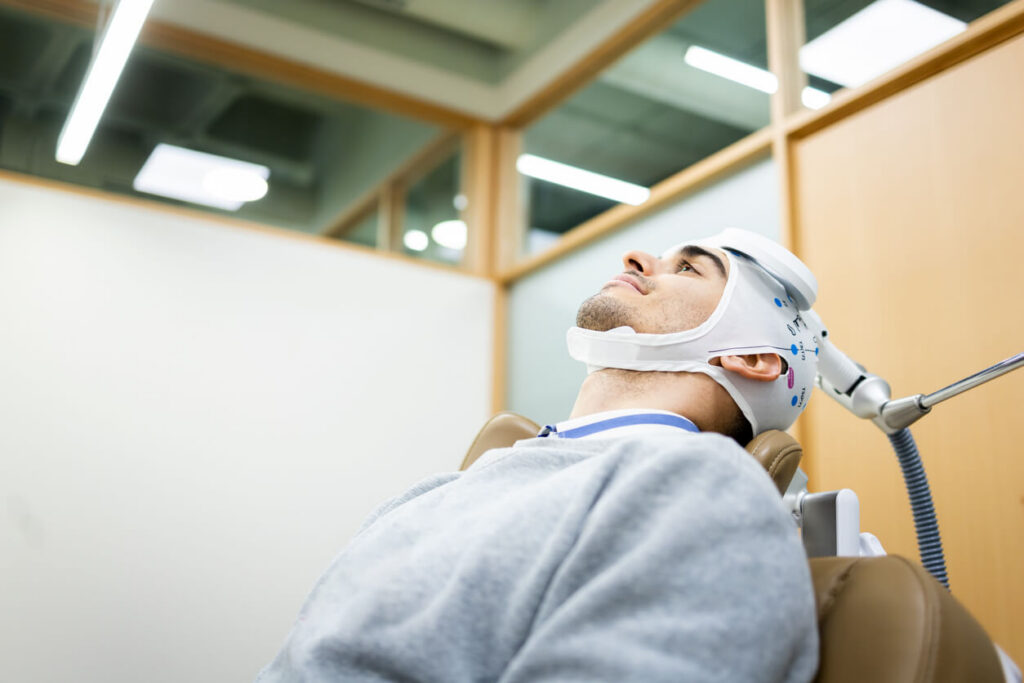
Transcranial Magnetic Stimulation (TMS) therapy is an innovative, non-invasive treatment option gaining recognition for its effectiveness in managing anxiety. TMS uses magnetic fields to stimulate nerve cells in areas of the brain involved in mood regulation, offering relief for individuals who have not responded well to traditional treatments.
In Fort Worth, TMS therapy is available through specialized clinics staffed by trained professionals. The treatment is typically administered over several weeks, with sessions lasting about 30 to 40 minutes. Many patients report improvements in anxiety symptoms, mood, and overall functioning.
TMS therapy is well-tolerated, with minimal side effects, making it a hopeful option for those seeking alternatives to medication or additional support alongside other treatments.
Choosing to pursue anxiety treatment in Fort Worth means accessing a community of dedicated mental health professionals who understand the unique challenges faced by residents. The city’s healthcare providers offer a blend of expertise, compassion, and personalized care designed to support your healing journey.
Fort Worth’s mental health services emphasize a holistic approach, recognizing that anxiety affects every aspect of your life and requires comprehensive support.
Fort Worth is home to psychiatrists who specialize in anxiety disorders, ensuring that you receive expert evaluation and treatment. These specialists stay current with the latest research and treatment modalities, offering evidence-based care tailored to your individual needs.
Having access to specialized care means your treatment plan is informed by a deep understanding of anxiety’s complexities, increasing the likelihood of successful outcomes. Whether you need medication management, therapy referrals, or advanced treatments like TMS, Fort Worth’s specialists are equipped to guide you.
Beyond psychiatry, Fort Worth offers a network of mental health services including counseling, support groups, and community resources. This comprehensive approach ensures that you can access the full spectrum of care, from crisis intervention to ongoing support.
Many providers collaborate to create integrated treatment plans that address co-occurring conditions such as depression or substance use, recognizing the interconnected nature of mental health. This collaborative care model fosters a supportive environment where your overall well-being is prioritized.
Beginning anxiety treatment can feel daunting, but understanding the process can ease your concerns and help you feel more in control. Treatment typically involves several stages, each designed to build a foundation for lasting relief and recovery.
Knowing what to expect can empower you to engage actively in your care and communicate openly with your providers.
Your initial appointment will focus on understanding your unique experience with anxiety. The clinician will ask about your symptoms, medical history, lifestyle, and any previous treatments. This comprehensive assessment helps identify the type and severity of your anxiety disorder and any related conditions.
During this session, you are encouraged to share your concerns and goals for treatment. This collaborative approach ensures that your voice is heard and that the treatment plan aligns with your needs and preferences.
Based on the assessment, your provider will recommend a personalized treatment plan. This may include therapy, medication, lifestyle changes, or advanced treatments like TMS. The plan is flexible and can be adjusted as you progress, ensuring that it remains effective and responsive to your evolving needs.
Education about anxiety and coping strategies is often incorporated, empowering you with tools to manage symptoms between appointments. Your treatment team will support you every step of the way, fostering hope and resilience.
Recovery from anxiety is a gradual process that varies for each individual. Some people notice improvements within weeks, while others may require months of treatment to experience significant relief. Patience and persistence are key, as is maintaining open communication with your care team.
Regular follow-ups allow your provider to monitor progress, address challenges, and celebrate milestones. Over time, many individuals find that anxiety becomes more manageable, enabling them to reclaim their lives and pursue their goals with renewed confidence.
Anxiety attacks and panic attacks are intense episodes that can be frightening and confusing. Understanding their nature, differences, and triggers can help you respond effectively and reduce their impact on your life.
Recognizing the physical symptoms and knowing what to expect during these attacks can also alleviate fear and promote a sense of control.

An anxiety attack is a sudden surge of intense worry or fear that can build gradually or come on unexpectedly. It often involves a combination of emotional distress and physical symptoms, such as increased heart rate, sweating, and difficulty breathing.
Unlike panic attacks, anxiety attacks may be linked to a specific stressor or worry, though they can also occur without an obvious trigger. These episodes can last from minutes to hours and may leave you feeling drained or unsettled afterward.
While the terms are sometimes used interchangeably, anxiety attacks and panic attacks have distinct characteristics. Panic attacks tend to come on suddenly and reach peak intensity within minutes, often without warning. They are marked by overwhelming physical symptoms such as chest pain, dizziness, and a fear of losing control or dying.
Anxiety attacks, on the other hand, usually develop more gradually and are tied to ongoing stress or worry. The symptoms may be less intense but more prolonged. Understanding these differences can guide you in seeking appropriate treatment and managing episodes effectively.
Triggers for anxiety attacks vary widely among individuals but often include stressful life events, work or school pressures, relationship difficulties, and health concerns. Environmental factors such as crowded places or financial worries can also provoke attacks.
Identifying your personal triggers through self-reflection or with the help of a therapist can be a powerful step in reducing the frequency and severity of anxiety attacks. This awareness allows you to develop coping strategies tailored to your unique experiences.
Physical symptoms during an anxiety attack can be distressing and may include rapid heartbeat, shortness of breath, muscle tension, trembling, nausea, and dizziness. You might also experience a sense of detachment from reality or fear of losing control.
These symptoms are part of the body’s natural response to perceived danger but become problematic when they occur frequently or without real threat. Learning to recognize these signs can help you respond calmly and seek support when needed.
While it may not be possible to prevent all anxiety attacks, there are effective techniques and strategies that can reduce their frequency and intensity. Fort Worth residents have access to resources and therapies that empower them to manage anxiety proactively.
Combining immediate relief methods with long-term lifestyle changes creates a comprehensive approach to prevention.
When an anxiety attack begins, quick actions can help you regain control. Techniques such as focusing on your breath, grounding yourself in the present moment, and using positive self-talk can interrupt the cycle of escalating fear.
Carrying a small object to touch or hold, or mentally listing familiar things around you, can also redirect your attention away from distressing thoughts. Practicing these techniques regularly increases their effectiveness during an attack.
Controlled breathing is one of the most accessible and effective tools for calming anxiety. Techniques like diaphragmatic breathing, box breathing, or the 4-7-8 method help regulate your nervous system and reduce physical symptoms.
In Fort Worth, many therapists teach these exercises as part of anxiety treatment, and you can practice them anytime, anywhere. Regular practice strengthens your ability to manage stress and prevent attacks before they escalate.
Grounding techniques help anchor you in the present and reduce feelings of panic or dissociation. Methods include the 5-4-3-2-1 technique, where you identify five things you see, four you can touch, three you hear, two you smell, and one you taste.
Other grounding strategies involve physical sensations, such as pressing your feet into the floor or holding a cold object. These techniques can be especially helpful during anxiety attacks to restore a sense of safety and control.
Long-term prevention involves lifestyle changes and ongoing mental health care. Regular exercise, balanced nutrition, adequate sleep, and mindfulness practices contribute to overall resilience against anxiety.
Therapeutic approaches such as cognitive-behavioral therapy (CBT) help you identify and change thought patterns that trigger anxiety. Joining support groups in Fort Worth can also provide connection and encouragement, reducing feelings of isolation.
Living with anxiety requires ongoing effort and support, but many people find ways to manage their symptoms and lead fulfilling lives. Developing coping strategies and connecting with local resources can make a significant difference in your well-being.
Fort Worth offers a variety of community-based options to help you build strength and resilience.
Incorporating daily practices such as mindfulness meditation, journaling, and setting realistic goals can help you maintain emotional balance. Establishing routines and prioritizing self-care are also important for managing anxiety symptoms.
Learning to recognize early warning signs of anxiety allows you to take proactive steps before symptoms escalate. These small, consistent actions build a foundation for long-term mental health.
Support groups provide a safe space to share experiences, learn from others, and receive encouragement. Fort Worth hosts various groups focused on anxiety and mental health, often facilitated by trained professionals or peers.
Community centers, nonprofits, and healthcare providers offer workshops, educational programs, and crisis resources. Engaging with these services connects you to a network of understanding individuals who can support your journey.
Extremely educated about Ketamine therapy. My depression symptoms improved, despite the exorbitant cost.
C.F.
Google
Extremely educated about Ketamine therapy. My depression symptoms improved, despite the exorbitant cost.
R.H.
Google
Dr. Clay has given me my life, family, and friends back to me. When I first started seeing Dr. Clay, I was so depressed and anxious that I didn’t go out of the house. Dr. Clay’s medical assistant on my first appointment told me that he would never give up on me and he never has. Flash forward to now, and I’m seeing my friends, family, going out to run errands on my own, and even going to see my beloved sister in Colorado March 1st with our daughter. I am SO thankful for Dr. Clay and his team at Serenity Mental Health. They are a huge blessing and I feel so lucky to have found them!
k.
Google
My psychiatrist is named Dr. Colvin and he is an excellent person to count on for aid with mental health. He has prescribed medicine for me that has worked wonders in my life, and he continues to meet my concerns by providing more medication when needed. Alongside him, the staff is extremely flexible with their availability, and whenever I’ve needed to change a date on the calendar for appointments, they have been swift and generous to meet those needs as well. I’d recommend Serenity to anyone that is struggling to battle the demons in their head; they have changed my life and I know they will do the same for you as well.
K.D.
Google
Tolulope’s experience with TMS therapy has been excellent. She is patient and really kind, even if the initial consultation took some time to schedule.
M.V.
Google
As with most treatments, there could be certain side effects with TMS therapy. You may experience minor headaches, pain at the simulation site, and muscle twitching after treatment. This should not last long, however, and will go away on its own. TMS therapy is known to be a very safe and effective treatment method.
The results speak for themselves: 75% of individuals who opt for TMS treatment experience significant relief from their symptoms with 51% reaching symptom remission – a truly remarkable success rate.
You’ve likely realized that when you’re depressed, you have less energy. But also, your brain cells, which distribute serotonin and dopamine, are tired, too. TMS therapy is used to give these cells more energy, which allows more efficient serotonin and dopamine delivery. TMS therapy is the most studied mental health treatment in the world, and we are proud to offer it to our patients.
Having a strong support network is vital for coping with anxiety. This network may include family, friends, therapists, and support group members. Open communication about your needs and experiences fosters trust and reduces feelings of isolation.
In Fort Worth, many people find that building connections within their community enhances their sense of belonging and provides practical assistance during difficult times.
Taking the first step toward anxiety treatment can be challenging, but knowing what to expect and how to prepare can ease your transition into care. Fort Worth offers accessible and compassionate services to support you from the very beginning.
Being informed and proactive empowers you to take control of your mental health journey.
Choosing a provider who understands your unique needs is essential. In Fort Worth, you can find psychiatrists, psychologists, and therapists specializing in anxiety disorders. Consider factors such as their experience, treatment approaches, and your comfort level during initial consultations.
Many providers offer telehealth options, increasing accessibility and convenience. Asking for referrals from your primary care physician or trusted community members can also guide you to reputable specialists.
Before your appointment, it can be helpful to write down your symptoms, questions, and any relevant medical history. Being honest and open during your consultation allows your provider to develop an accurate diagnosis and effective treatment plan.
Remember that seeking help is a courageous step, and your provider is there to support you without judgment. Bringing a trusted friend or family member for support is also an option if it makes you feel more comfortable.
If you experience an anxiety or panic attack, try to remind yourself that the symptoms, while uncomfortable, are not dangerous. Use grounding and breathing techniques to help calm your body and mind.
Finding a quiet, safe space and focusing on slow, deep breaths can reduce the intensity of the attack. If possible, reach out to a trusted person or your healthcare provider for support. Over time, learning these coping skills will increase your confidence in managing attacks independently.


If you’ve tried ADHD medication and ended up dealing with
Important: This article provides educational information only. Treatment decisions should

For many people living with PTSD, understanding their trauma isn’t