

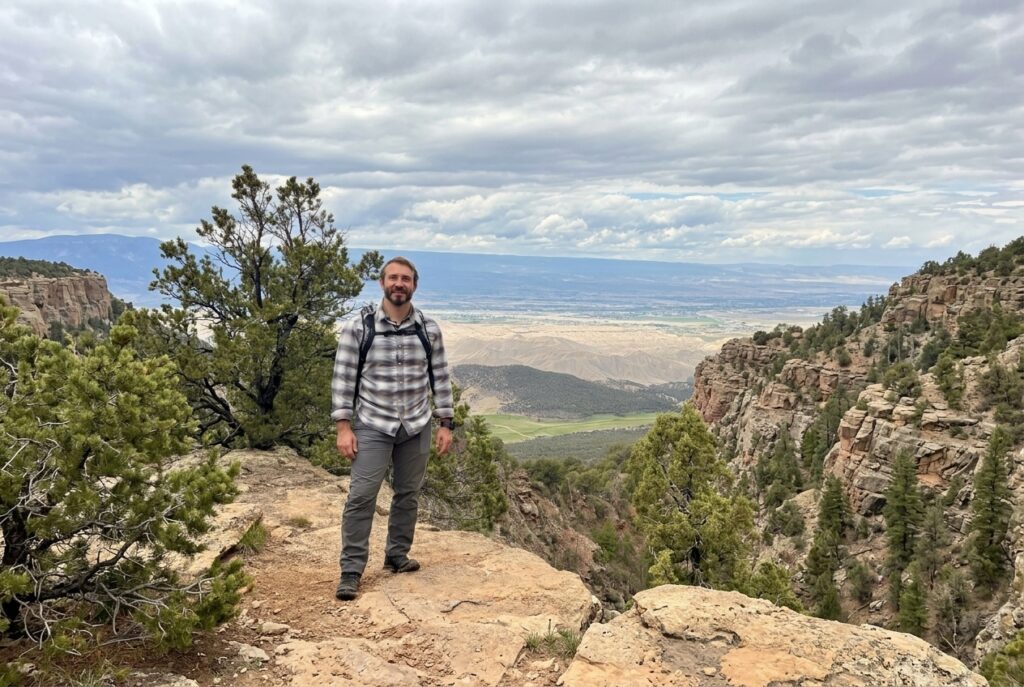
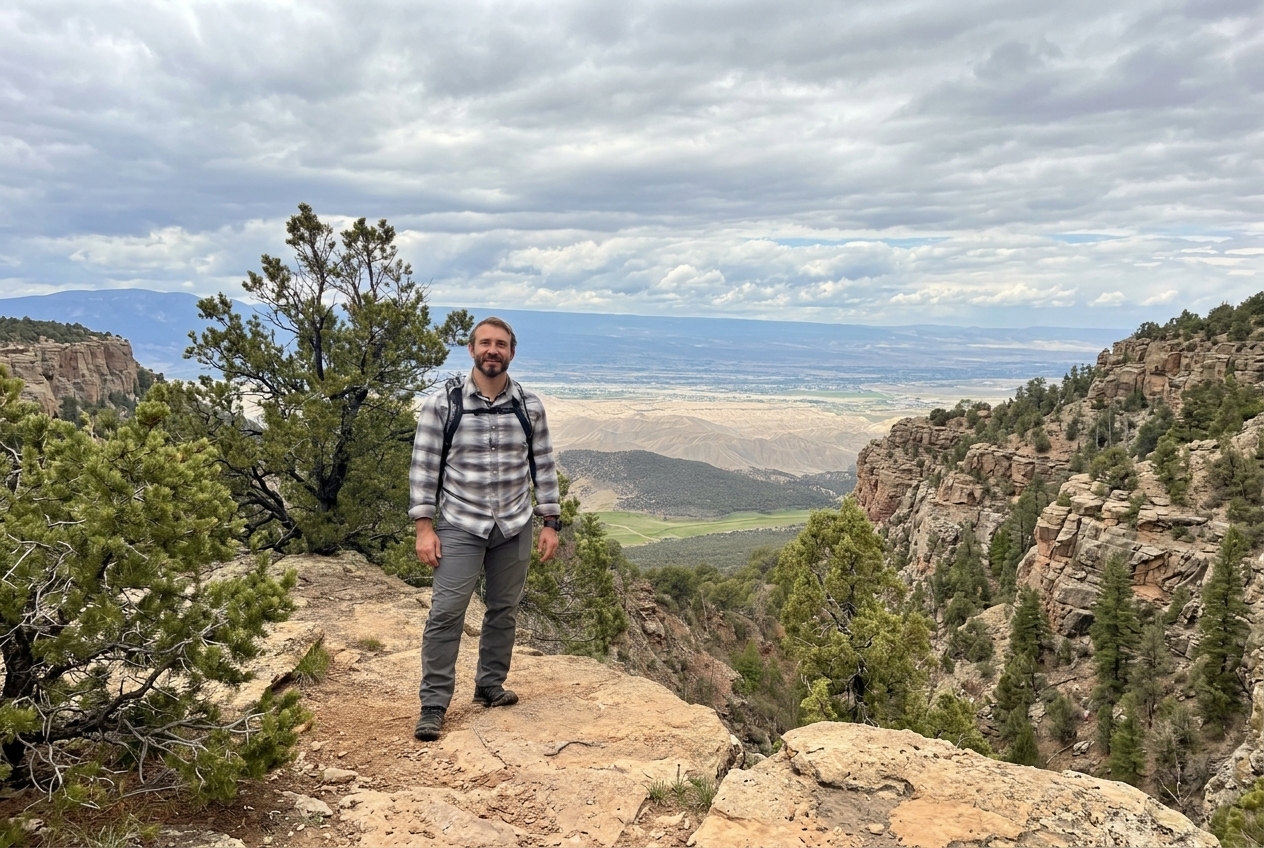
TMS (transcranial magnetic stimulation) is an FDA-cleared, non-invasive treatment for depression that veterans can consider when other approaches haven't been enough. It's done in a clinic chair while you're awake, and you drive yourself home afterward. Cody Wendelin, an Army veteran who was medically retired last year, finished 65 sessions of TMS at Serenity, and he walked in not believing he had depression at all. Here is what brought him there, why he said yes, and what he'd tell other veterans who are where he was.
Leaving the military when everything hit at once
Cody grew up camping, hunting, and hiking, and that's what pointed him toward the Army. When a recruiter asked what he liked to do and he said being outside, the answer came right back: "Well, that's the Army." He served for 12 years, and he describes that time as "the fulfillment of my purpose at that season in my life."
Then, over a few years, the injuries started stacking up: surgery, recovery, a short stretch of feeling healthy, and then it would start over. An unexpected diagnosis set his medical retirement in motion. At the same time, his family was going through its own hard season, and it felt like everything he'd built was coming apart at once.
"It kind of seemed like my world was collapsing: physically, mentally, emotionally, family, financially."
He handled it the way he'd handled everything in uniform: he put his head down and did the work. He sat down with more than 80 people to figure out what came next, and one of those conversations led him to a veteran nonprofit. The director there had served in the same kind of unit, and for the first time, someone told Cody that what he was carrying counted.
"He was the first one that made me feel okay having some of these struggles."
Cody had quietly carried a doubt for a long time: he hadn't seen what some of his peers had seen in combat, so he didn't feel he had the right to struggle. The director put that to rest. Together they built a six-month care plan, and Serenity was one piece of it. At the time, he had no idea how much it would end up mattering.
"I didn't think I had depression"
At his first appointment, Cody walked the doctor through everything he'd been dealing with, without putting a name on any of it.
"At that time, I didn't think I had depression or anxiety, which is primarily what TMS is for."
His assessments told a different story. They showed far more going on than he had let himself see, and his doctor recommended TMS. He describes himself back then as a duck on a pond: calm on the surface, paddling as hard as he could underneath.
Why he said yes to TMS
By then, he'd been to 140 medical appointments that year. He knew what it felt like to be a chart number in a long line, which is why what happened at Serenity stood out from the very first call.
"That very first conversation, I could tell that Serenity was the real deal. And then every single conversation after that, I was just blown away. Wow, this place is genuine. Honestly, if it wasn't for that consistency, I don't think I would have done TMS."
For someone who had spent a year being passed from one office to the next, that mattered. As he put it, "I'm just not another number."
What TMS treatment was like: 65 sessions in three months
His course ran six days a week for about three months. The sessions themselves were short, but the drive was 45 minutes each way, so TMS took close to two and a half hours out of every day. And he booked every session during his daughter's nap time, so the treatment never cost him time with her.
"There were many days I didn't want to do this. Not because of the session itself, but just because of the drive. But I thought, well, if I don't do this now, when will I do it? And what is more important than my health?"
His schedule was more than most people need, and every course is different. The VA describes a typical course of TMS as at least 30 treatments, and at Serenity your provider sets the number and timing of sessions with you. If you're weighing TMS, plan for a commitment of several weeks.
What changed for him after TMS
Early in treatment, something small happened that stuck with him. He got frustrated, caught himself muttering under his breath, and couldn't stop the spiral. In that moment he thought, this is not a healthy way to be. Over the weeks that followed, that started to change, and his family noticed it too.
"I'd say more even keeled, and honestly, more joyful."
He describes a higher threshold before his fuse got lit, and more room to respond instead of react. Results from TMS vary from person to person, and this is one veteran's experience. Your plan at Serenity is built around you, starting with your own history and goals. Learn more about TMS therapy at Serenity.
His advice for veterans considering TMS
Cody calls himself "a very simple-minded man" who thinks in metaphors. Here's the one he uses for getting help:
"If your life is a car that breaks down, you have many options on how to get to work each day. You could walk, you could ride a bike, you could take the train. Or you can spend a week and some money getting it fixed. That week is going to be tough. But after that, your car is fixed, and you can go back to normal life. Maybe even do more things, because now you have that perspective. To me, going to TMS is fixing the car. It's a lot of work. But I would say it'll be worth it 10 times."
For a veteran who feels they've already tried everything, he doesn't pretend the next step is easy:
"Both options are hard, but you get to choose your hard. Living with whatever struggle you're currently living with is hard. Continuing to try to find treatments is hard and stressful. But maybe that leads to health."
Underneath that advice is something he held onto from the start. When everything was falling apart, he told his friends he trusted there was a plan for him, even when he couldn't see it yet. The way he put it:
"No matter what, the dawn will come."
Today, Cody is a first-year MBA student at the University of Texas, and he's come back to where he started: the outdoors. He's building a foundation where veterans and at-risk youth can spend a few days on a ranch working through two questions: "Who am I, and what am I doing here?" Looking back on his time at Serenity, he said he's "just grateful to be part of it, however small."
For more from veterans at Serenity, read what a military psychiatrist knows about veterans and Army veteran Journy Rowell on the mental health side of the military to civilian transition.
Talk with someone about TMS
If Cody's story sounds familiar, you don't have to figure out the next step alone. You can schedule an appointment at any Serenity location, or call us at 844-310-1649.