

Living with anxiety can feel overwhelming and isolating, but you are not alone. In Sandy Springs, GA, compassionate and professional help is available to guide you through your journey toward relief and recovery. Understanding anxiety and the treatment options accessible in your community can empower you to take the first step toward a calmer, more balanced life. This article aims to provide detailed information about anxiety, its symptoms, treatment methods, and local resources to support you every step of the way.
Anxiety is a natural response to stress, but when it becomes persistent and interferes with daily life, it may indicate an anxiety disorder. Recognizing the signs and symptoms is crucial for seeking timely help. Anxiety disorders can manifest in various ways, affecting both the mind and body.
Common signs of anxiety disorders include excessive worry, restlessness, difficulty concentrating, and feelings of dread or impending doom. These symptoms often persist for weeks or months and can significantly impact your quality of life. You might find yourself avoiding situations that trigger your anxiety, which can lead to social isolation and increased distress.
Physical symptoms often accompany emotional distress. These can include a racing heart, sweating, trembling, dizziness, and gastrointestinal issues. Sometimes, these physical sensations can be so intense that they mimic other medical conditions, making it essential to consult a healthcare professional for an accurate diagnosis.
It is important to understand when anxiety requires professional treatment. If your symptoms are severe, persistent, or worsening, or if they interfere with your ability to work, study, or maintain relationships, seeking help from a mental health specialist is vital. Early intervention can prevent anxiety from escalating and improve your chances of recovery.
Many people experience occasional anxiety, but anxiety disorders are characterized by excessive and uncontrollable worry. You might notice persistent nervousness, irritability, or a sense of impending danger without a clear cause. Panic attacks, characterized by sudden intense fear, are also common in some anxiety disorders.
Sleep disturbances, such as difficulty falling or staying asleep, are frequent complaints among those with anxiety. You may also experience muscle tension, headaches, or fatigue, which can further exacerbate your emotional distress.

Understanding the difference between physical and emotional symptoms can help you better communicate your experience to healthcare providers. Emotional symptoms include feelings of fear, apprehension, and restlessness. You might also experience difficulty concentrating or feeling detached from reality.
Physical symptoms can be more alarming because they often mimic other health issues. These include palpitations, shortness of breath, chest pain, and gastrointestinal discomfort. Recognizing these as part of anxiety can reduce fear and help you seek appropriate treatment.
Not all anxiety requires medical intervention, but when symptoms disrupt your daily functioning or cause significant distress, professional treatment is necessary. If you find yourself unable to control your worry, experiencing frequent panic attacks, or withdrawing from social activities, it is time to reach out for help.
Professional treatment can provide you with coping strategies, medication if needed, and therapeutic support to manage your anxiety effectively. Early treatment can prevent complications such as depression or substance abuse, which sometimes accompany untreated anxiety disorders.
Sandy Springs offers a range of anxiety treatment options tailored to meet individual needs. Whether you prefer medication, therapy, or innovative treatments, you can find compassionate care close to home. Understanding these options can help you make informed decisions about your mental health journey.
Medication management is a common and effective approach for many individuals with anxiety disorders. It involves the careful prescription and monitoring of medications that can help balance brain chemistry and reduce symptoms. Alongside medication, therapies such as cognitive-behavioral therapy (CBT) are often recommended to address the root causes of anxiety.
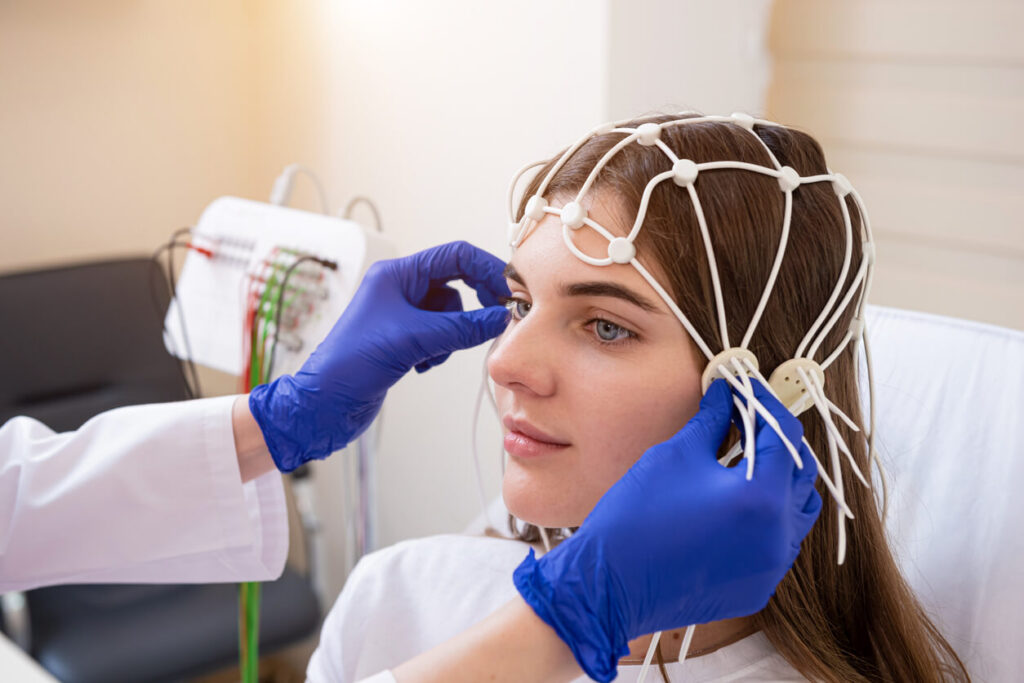
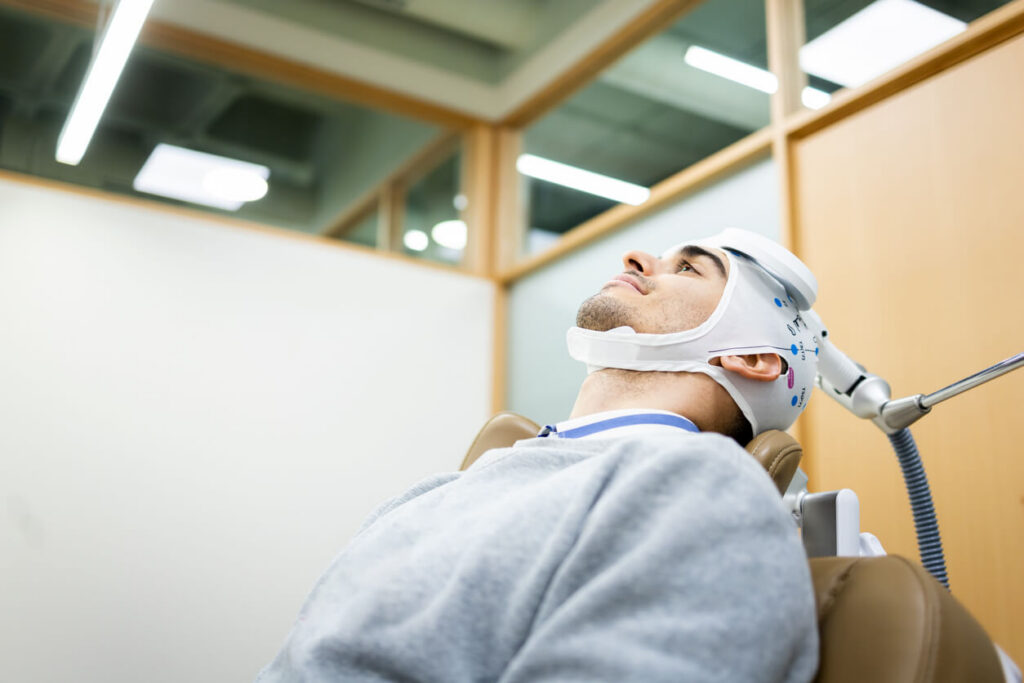
Another promising treatment available in Sandy Springs is Transcranial Magnetic Stimulation (TMS) therapy. This non-invasive procedure uses magnetic fields to stimulate nerve cells in the brain, helping to alleviate symptoms of anxiety and depression. TMS is especially beneficial for those who have not responded well to traditional treatments.
Medications prescribed for anxiety include selective serotonin reuptake inhibitors (SSRIs), serotonin-norepinephrine reuptake inhibitors (SNRIs), and sometimes benzodiazepines for short-term relief. Your psychiatrist in Sandy Springs will carefully evaluate your symptoms, medical history, and lifestyle to determine the best medication plan for you.
Medication management involves regular follow-ups to monitor effectiveness and side effects. Adjustments may be necessary to find the optimal dosage or to switch medications if needed. Combining medication with therapy often yields the best outcomes for long-term anxiety management.
TMS therapy is a cutting-edge treatment that has gained recognition for its effectiveness in treating anxiety disorders. It is a non-drug option that uses targeted magnetic pulses to stimulate areas of the brain involved in mood regulation. Sessions are typically conducted daily over several weeks in a comfortable outpatient setting.
Many patients report significant reductions in anxiety symptoms after completing TMS therapy. It is well-tolerated with minimal side effects, making it an attractive option for those seeking alternatives to medication or those who have experienced medication side effects.
Choosing to pursue anxiety treatment in Sandy Springs means accessing a community dedicated to your mental health and well-being. The city offers specialized care tailored to the unique needs of its residents, ensuring you receive the support and expertise necessary for recovery.
One of the key advantages of seeking treatment in Sandy Springs is the availability of specialized anxiety psychiatrists. These professionals have extensive training and experience in diagnosing and treating anxiety disorders, providing personalized care that addresses your specific challenges.
In addition to specialized psychiatrists, Sandy Springs boasts comprehensive mental health services. These include therapy, medication management, support groups, and innovative treatments like TMS therapy. This integrated approach ensures that all aspects of your mental health are addressed in a coordinated and compassionate manner.
Specialized anxiety psychiatrists in Sandy Springs understand the complexities of anxiety disorders and are equipped to provide evidence-based treatments. They work closely with you to develop a treatment plan that fits your lifestyle and goals, offering hope and guidance throughout your recovery journey.
These experts stay current with the latest research and treatment modalities, ensuring you benefit from the most effective and up-to-date care available. Their compassionate approach helps create a safe space where you can openly discuss your struggles and progress.
Sandy Springs offers a wide range of mental health services beyond medication and therapy. Support groups provide a sense of community and shared understanding, which can be invaluable in reducing feelings of isolation. Additionally, holistic services such as mindfulness training, stress management workshops, and wellness programs complement traditional treatments.
This comprehensive network of services ensures that you have access to the resources you need to manage anxiety effectively and build resilience for the future.
Beginning anxiety treatment can feel daunting, but knowing what to expect can ease your concerns. The process typically starts with a thorough consultation and assessment, followed by the development of a personalized treatment plan. Throughout your treatment, your progress will be monitored to ensure the best possible outcomes.
Your first consultation is an opportunity to share your experiences, symptoms, and concerns with a mental health professional. This assessment helps identify the type and severity of your anxiety disorder and any co-occurring conditions. It is a collaborative process where your input is valued and essential.
Once your assessment is complete, your provider will work with you to develop a treatment plan tailored to your needs. This plan may include therapy, medication, lifestyle changes, or a combination of approaches. Your active participation and feedback are crucial to refining this plan over time.
Recovery timelines vary depending on the individual and the severity of symptoms. Some people experience relief within weeks, while others may require longer-term treatment. Patience and persistence, along with professional support, are key to achieving lasting anxiety relief.
During your initial appointment, expect a comprehensive evaluation that covers your mental health history, current symptoms, and any relevant medical conditions. Your provider may use standardized questionnaires or interviews to better understand your anxiety.
This session is also a chance for you to ask questions and express any fears or expectations about treatment. Building trust with your provider is an important foundation for successful therapy.
Your treatment plan will be customized based on your assessment results and personal preferences. It may include cognitive-behavioral therapy, medication, lifestyle modifications, or newer treatments like TMS therapy. Your provider will explain the benefits and potential side effects of each option.
Setting realistic goals and timelines helps keep you motivated and engaged in your recovery. Regular follow-ups allow your provider to adjust the plan as needed to maximize effectiveness.
While some individuals notice improvements quickly, anxiety treatment is often a gradual process. Early weeks may focus on symptom management and building coping skills. Over time, therapy and medication work together to reduce anxiety triggers and improve emotional resilience.
Recovery is not always linear; setbacks can occur, but they do not mean failure. With ongoing support, you can continue progressing toward a life less dominated by anxiety.
Anxiety attacks and panic attacks are intense episodes of fear and discomfort that can be frightening and confusing. Understanding their nature, differences, and triggers can help you manage these experiences more effectively.
An anxiety attack typically builds gradually and is linked to a specific stressor or worry. In contrast, a panic attack often occurs suddenly without an obvious cause and reaches peak intensity within minutes. Both can cause physical symptoms that mimic serious medical conditions, which is why professional evaluation is important.
Common triggers for anxiety attacks include stressful life events, health concerns, or situations that provoke fear or uncertainty. Recognizing your personal triggers can empower you to anticipate and manage attacks more effectively.
Physical symptoms during anxiety attacks may include heart palpitations, shortness of breath, sweating, trembling, and dizziness. Emotional symptoms often involve feelings of dread, loss of control, or fear of dying. Learning to identify these signs early can help you implement coping strategies promptly.

An anxiety attack is an episode of intense worry or fear that escalates over time. It is often related to a specific concern or situation, such as work stress, relationship issues, or health worries. Symptoms can vary widely but generally include both emotional distress and physical sensations.
Unlike panic attacks, anxiety attacks tend to build gradually and may last longer. They can interfere with your ability to focus or function normally, making it important to seek support and treatment.
While the terms are sometimes used interchangeably, anxiety attacks and panic attacks have distinct characteristics. Panic attacks are sudden, intense bursts of fear that peak quickly and subside within minutes. They often occur without warning and may not be linked to a specific trigger.
Anxiety attacks, on the other hand, develop more slowly and are usually connected to a particular stressor. Understanding these differences can help you communicate your experiences accurately to healthcare providers and receive appropriate treatment.
Triggers vary from person to person but commonly include work pressure, financial concerns, relationship conflicts, or health-related fears. Environmental factors such as crowded places or loud noises can also provoke anxiety attacks in some individuals.
Identifying and understanding your triggers is a vital step in managing anxiety. This awareness allows you to develop strategies to avoid or cope with situations that may lead to an attack.
Physical symptoms during an anxiety attack can be intense and alarming. These may include rapid heartbeat, chest tightness, sweating, shaking, nausea, and dizziness. Some people also experience numbness or tingling sensations.
These symptoms are the body’s natural response to perceived danger, often referred to as the “fight or flight” reaction. While uncomfortable, they are not harmful and can be managed with appropriate techniques and treatment.
Preventing anxiety attacks involves both immediate coping techniques and long-term lifestyle changes. In Sandy Springs, you have access to resources and professionals who can guide you in developing effective prevention strategies tailored to your needs.
Immediate techniques focus on calming your mind and body during an attack. These include breathing exercises, grounding techniques, and mindfulness practices that help you regain control and reduce the intensity of symptoms.
Long-term strategies aim to reduce the frequency and severity of anxiety attacks by addressing underlying causes. These may involve therapy, medication, stress management, regular exercise, and healthy sleep habits.
When you feel an anxiety attack coming on, grounding yourself in the present moment can be very helpful. Techniques such as focusing on your senses—naming five things you can see, four you can touch, three you can hear, two you can smell, and one you can taste—can redirect your attention away from fear.
Another effective method is progressive muscle relaxation, where you tense and then release different muscle groups to reduce physical tension. These techniques can interrupt the cycle of escalating anxiety and help you regain calm.
Controlled breathing is one of the most accessible and effective tools for managing anxiety attacks. Deep, slow breaths help regulate your nervous system and reduce symptoms like rapid heartbeat and dizziness.
Try inhaling slowly through your nose for a count of four, holding your breath for four counts, then exhaling gently through your mouth for four counts. Repeat this cycle several times until you feel more relaxed.
Grounding techniques help anchor you in the present and reduce feelings of panic. Besides the sensory focus method, you can try holding a comforting object, splashing cold water on your face, or gently tapping your arms or legs.
These actions provide physical sensations that distract your mind from anxious thoughts and help restore a sense of safety.
Long-term prevention involves lifestyle changes and professional support. Regular physical activity, balanced nutrition, and sufficient sleep strengthen your overall resilience to stress. Mindfulness meditation and yoga can also promote emotional balance.
Engaging in therapy, such as cognitive-behavioral therapy, helps you identify and change thought patterns that contribute to anxiety. Medication may be recommended for some individuals to stabilize mood and reduce symptoms.
Living with anxiety requires ongoing management and support. Developing daily coping strategies and connecting with local resources in Sandy Springs can enhance your ability to navigate challenges and maintain well-being.
Daily anxiety management techniques include establishing routines, practicing relaxation exercises, and setting realistic goals. These habits help create a sense of control and reduce the unpredictability that often fuels anxiety.
Local support groups and community resources provide opportunities to share experiences, gain encouragement, and learn from others facing similar challenges. Sandy Springs offers various mental health organizations and peer-led groups dedicated to supporting those with anxiety.
Building a strong support network of family, friends, and professionals is essential. Open communication and mutual understanding within this network can provide comfort and practical assistance during difficult times.
Incorporating mindfulness, journaling, and regular physical activity into your daily routine can significantly reduce anxiety symptoms. Mindfulness helps you stay present and reduces rumination, while journaling allows you to express and process your emotions.
Exercise releases endorphins, natural mood boosters, and helps regulate stress hormones. Even short walks or gentle stretching can make a difference.
Sandy Springs hosts several support groups for anxiety and related mental health conditions. These groups offer a safe space to share your story, learn coping skills, and connect with others who understand your experience.
Community centers and mental health clinics also provide workshops, educational programs, and referrals to specialized services. Taking advantage of these resources can enhance your recovery and reduce feelings of isolation.
Extremely educated about Ketamine therapy. My depression symptoms improved, despite the exorbitant cost.
C.F.
Google
Extremely educated about Ketamine therapy. My depression symptoms improved, despite the exorbitant cost.
R.H.
Google
Dr. Clay has given me my life, family, and friends back to me. When I first started seeing Dr. Clay, I was so depressed and anxious that I didn’t go out of the house. Dr. Clay’s medical assistant on my first appointment told me that he would never give up on me and he never has. Flash forward to now, and I’m seeing my friends, family, going out to run errands on my own, and even going to see my beloved sister in Colorado March 1st with our daughter. I am SO thankful for Dr. Clay and his team at Serenity Mental Health. They are a huge blessing and I feel so lucky to have found them!
k.
Google
My psychiatrist is named Dr. Colvin and he is an excellent person to count on for aid with mental health. He has prescribed medicine for me that has worked wonders in my life, and he continues to meet my concerns by providing more medication when needed. Alongside him, the staff is extremely flexible with their availability, and whenever I’ve needed to change a date on the calendar for appointments, they have been swift and generous to meet those needs as well. I’d recommend Serenity to anyone that is struggling to battle the demons in their head; they have changed my life and I know they will do the same for you as well.
K.D.
Google
Tolulope’s experience with TMS therapy has been excellent. She is patient and really kind, even if the initial consultation took some time to schedule.
M.V.
Google
As with most treatments, there could be certain side effects with TMS therapy. You may experience minor headaches, pain at the simulation site, and muscle twitching after treatment. This should not last long, however, and will go away on its own. TMS therapy is known to be a very safe and effective treatment method.
The results speak for themselves: 75% of individuals who opt for TMS treatment experience significant relief from their symptoms with 51% reaching symptom remission – a truly remarkable success rate.
You’ve likely realized that when you’re depressed, you have less energy. But also, your brain cells, which distribute serotonin and dopamine, are tired, too. TMS therapy is used to give these cells more energy, which allows more efficient serotonin and dopamine delivery. TMS therapy is the most studied mental health treatment in the world, and we are proud to offer it to our patients.
Having a reliable support network is vital for managing anxiety. This network may include trusted family members, close friends, healthcare providers, and peers from support groups. Openly communicating your needs and feelings helps strengthen these relationships.
Remember, seeking support is a sign of strength, not weakness. Surrounding yourself with understanding and compassionate people can provide comfort and encouragement throughout your journey.
Taking the first step toward anxiety treatment can be challenging, but knowing how to find the right help and prepare for your appointments can make the process smoother and more hopeful. Sandy Springs offers a welcoming environment with skilled professionals ready to support you.
Finding the right anxiety specialist involves researching providers who have experience with anxiety disorders and who make you feel comfortable and heard. Many clinics offer initial consultations to help you determine if a provider is a good fit.
Preparing for your first appointment includes gathering information about your symptoms, medical history, and any previous treatments. Writing down questions or concerns can help you make the most of your time with your provider.
Knowing what to do during an anxiety or panic attack is also important. Having a plan in place, including coping techniques and emergency contacts, can help you feel more in control and reduce fear when an attack occurs.
Look for psychiatrists, psychologists, or therapists in Sandy Springs who specialize in anxiety disorders. Reading reviews, asking for recommendations, and verifying credentials can guide you to qualified professionals.
Consider providers who offer a compassionate approach and who take the time to understand your unique situation. A good therapeutic relationship is key to successful treatment.
Before your appointment, reflect on your anxiety symptoms, their frequency, and impact on your life. Note any triggers, coping strategies you’ve tried, and questions about treatment options.
Bringing a trusted friend or family member can provide support and help you remember important information discussed during the visit.
During an anxiety or panic attack, it’s essential to have a plan to help you regain control. Start by focusing on your breathing; take slow, deep breaths to calm your nervous system. Inhale deeply through your nose for a count of four, hold for four, and exhale through your mouth for another count of four. This technique can help reduce the physical symptoms of panic and anxiety.
Grounding techniques can also be beneficial. Try to engage your senses by identifying objects around you, feeling textures, or listening to calming sounds. This can help distract your mind from the overwhelming feelings of anxiety and bring you back to the present moment.
If you find yourself in a situation where you feel an anxiety attack coming on, it’s okay to excuse yourself from the environment if possible. Find a quiet space where you can practice your coping strategies without distractions. Remember, it’s perfectly acceptable to seek help from a trusted friend or family member during these moments. You don’t have to face it alone.
If you’ve tried ADHD medication and ended up dealing with
Important: This article provides educational information only. Treatment decisions should

For many people living with PTSD, understanding their trauma isn’t