

Living with post-traumatic stress disorder (PTSD) can feel overwhelming. The memories don’t stay where they happened; they push into sleep, into ordinary moments, into the way you move through the world. Specialized PTSD treatment in Mesa, AZ offers a real path forward. Our clinic brings trauma-focused psychotherapy, medication management, TMS, and ketamine-assisted therapy to the Riverview district, with same-week appointments, extended hours, and care built for the veterans, service members, first responders, and civilian community members who make up the East Valley. We accept Tricare alongside most major commercial plans.
Whether you’re a veteran, a National Guard or reserve member, a military spouse, a defense-industry worker, a first responder, a survivor of a serious crash, a healthcare worker carrying medical trauma, an assault or abuse survivor, a member of an immigrant or refugee family carrying trauma from before you arrived, or a parent or partner watching someone you love struggle, our clinicians provide a safe, trauma-informed environment where your experiences are taken seriously and your treatment is personalized to your needs.
Mesa anchors one of the fastest-growing corners of metro Phoenix, and the East Valley brings together a distinctive mix: one of the largest veteran and military-retiree communities in the country, an aerospace and defense base most visible in Boeing’s Apache line at Falcon Field, a deep first responder presence, ASU just across the river, and diverse immigrant and refugee communities. PTSD shows up across all of these populations, and it deserves specialty care that understands them.
Our clinic at 2046 Riverview Auto Drive, Suite 401 sits in Riverview, where the Loop 101 and Loop 202 meet, close to Riverview Park, Sloan Park, and Tempe Town Lake. Patients coming from across the East Valley, Tempe, Chandler, Gilbert, Scottsdale, Queen Creek, Apache Junction, and the Mesa neighborhoods of Dobson Ranch, Red Mountain, Las Sendas, and Eastmark, can typically reach us without a long cross-valley trip. We keep same-week appointments open, often within a few days for new patients.
Post-traumatic stress disorder is a condition that can develop after a person experiences or witnesses a traumatic event. The triggering event might be a single incident, a serious accident, an assault, a sudden loss, a medical emergency, an act of violence, or it might be repeated exposure to high-stress situations over time, as it often is for military members, first responders, and people who have lived through war, political violence, or sustained displacement. PTSD can also develop from being closely connected to an event without being physically present. It affects the brain’s ability to process memories, regulate emotion, and tell past danger from present safety, which is why symptoms can feel so overwhelming and so disconnected from what’s actually happening now.
It’s important to recognize that PTSD is not a sign of weakness or something you can simply “get over.” It’s a treatable neurobiological condition that responds well to evidence-based care. People with PTSD may relive the trauma through flashbacks or nightmares, avoid reminders of the event, feel constantly on edge, or feel numb and disconnected from the people they love. None of that means something is wrong with who you are. It means the nervous system learned to keep you alive in a moment of extreme threat and hasn’t yet been given the tools to know it’s safe to stand down.
PTSD symptoms vary widely from person to person, but they typically cluster into four areas:
Intrusive memories. Flashbacks, nightmares, unwanted recurring memories, or strong physical reactions to reminders of the trauma. These can feel like reliving the event, not just remembering it.
Avoidance. Steering clear of the places, people, activities, or even conversations that bring up reminders of what happened. This can shrink a person’s life significantly, often before they realize it’s happening.
Negative changes in mood and thinking. Persistent guilt or shame, distorted beliefs about oneself or others, emotional numbness, loss of interest in things that used to matter, or feeling disconnected from loved ones. Survivor’s guilt is particularly common after combat, community violence, or a critical incident.
Heightened arousal. Startling easily, sleep problems, irritability or outbursts, hypervigilance, trouble concentrating, or feeling unable to relax even in safe surroundings.
Complex PTSD typically arises from prolonged or repeated trauma, ongoing abuse, captivity, sustained exposure to combat or operational stress, repeated medical trauma, or childhood adversity. It includes the core symptoms of PTSD but also harder-to-shake patterns: difficulty regulating emotion, persistent shame or guilt, trouble trusting others, and a fractured sense of self. Complex PTSD calls for an approach that attends to relationship and identity, not just symptom reduction.
PTSD also frequently co-occurs with other conditions. Depression, anxiety disorders, substance use, chronic pain, OCD, traumatic brain injury, and sleep disorders are all common alongside it. When PTSD and another condition show up together, treating only one of them usually doesn’t work, so we assess the full picture during your first visit and build an integrated plan around what’s actually present.
This comes up often from patients in the defense and Guard community, and the misinformation around it keeps people from care they need. The short version: seeking mental health treatment does not automatically affect a security clearance, and the assumption that it does is outdated.
Question 21 on the SF-86, the standard clearance form, was revised years ago to state explicitly that combat-related counseling does not need to be reported and that most other mental health treatment is not disqualifying. The actual disqualifying factors are typically untreated severe mental illness, behavior that suggests poor judgment, or conditions that affect reliability, not the fact of having sought treatment. Specifics do vary by agency, clearance level, and the nature of the work, and for high-stakes situations we encourage patients to consult an attorney who specializes in clearance law. But we can have an honest conversation about what’s involved at your first visit, and many of our patients with clearances have continued treatment without issue. The longer you wait to get care over a clearance worry, the more PTSD shapes your sleep, relationships, and work, and that, in the end, is the real career risk.
Arizona has one of the largest veteran populations in the country, and a great many settle in the East Valley, alongside National Guard and reserve members, Luke Air Force Base personnel who live out this way, and the defense workforce building Apache helicopters at Boeing’s Mesa site. We treat the full range of military trauma:
Combat-related PTSD. Combat exposure can produce PTSD marked by intrusive memories tied to specific events, hypervigilance that doesn’t switch off after coming home, sleep disruption, and avoidance of reminders. These patterns respond to evidence-based trauma treatment when it’s delivered by clinicians who understand military culture.
Military sexual trauma (MST). MST affects both male and female service members and remains one of the most underreported and undertreated sources of military trauma. We treat it with the gravity and discretion it requires. You don’t have to disclose the details of what happened to begin treatment.
Moral injury. Moral injury is distinct from PTSD but often co-occurs with it. It’s the lasting harm that comes from participating in, witnessing, or failing to prevent acts that violated your own moral code. It can produce profound guilt, shame, and grief that doesn’t fully respond to standard PTSD treatment alone. We recognize it, name it accurately, and adapt treatment to address the moral and existential dimensions, not just the symptoms.
PTSD with TBI. Many post-9/11 veterans carry both PTSD and traumatic brain injury, often from blast exposure or repeated head impacts. The two interact, and cognitive symptoms from TBI can complicate trauma-focused therapy if they aren’t addressed first. We assess for both during evaluation and sequence treatment accordingly.
The cumulative load of multiple deployments. For those who deployed several times, the trauma isn’t always one event; it’s the accumulated weight of years of vigilance, loss, and adaptation. That often presents as complex PTSD rather than single-incident PTSD.
We’re in-network with Tricare and coordinate with the Phoenix VA Health Care System, and we recognize that many veterans and Guard members use multiple resources in parallel.
Trauma can happen to anyone, but certain patterns show up more often in the communities we serve. Naming them isn’t about reducing anyone to their experiences; it’s about lowering the shame that keeps people from asking for help:
Military service and deployments. As above, combat-related PTSD, MST, moral injury, and the PTSD/TBI combination are central to our patient population, and Arizona’s large veteran and Guard community means we serve service members, their families, and veterans at scale.
First responder and emergency-services exposure. Fire, EMS, law enforcement, and dispatch personnel across Mesa Fire and Medical, Mesa PD, the Maricopa County Sheriff’s Office, the Arizona Department of Public Safety, and the surrounding Gilbert, Chandler, and Tempe departments carry repeated exposure to traumatic incidents. Cumulative occupational trauma is real.
Serious motor vehicle crashes. The Loop 101, Loop 202, US 60, and I-10 move heavy traffic at high speed, and serious crashes are common across the Valley. Crash-related PTSD is frequently underdiagnosed and very responsive to specialty treatment.
Refugee and pre-immigration trauma. The Phoenix metro is a longstanding refugee-resettlement area, and the East Valley is home to a large Mexican and Central American community along with refugee families from many parts of the world. PTSD from experiences of violence, war, or displacement before arriving is common and often undiagnosed in settings that don’t ask about it. We approach this with cultural respect and, where we can, therapy referrals in Spanish or another language.
Medical trauma. ICU stays, difficult births, cancer treatment, sudden medical emergencies, and pandemic-era healthcare experiences can all leave lasting PTSD. So can being a healthcare worker; nurses, techs, and physicians at Banner Desert, Banner Baywood, Mountain Vista Medical Center, Cardon Children’s, and across the East Valley systems carry their own version of medical trauma.
Assault, abuse, and loss. Survivors of physical or sexual assault, intimate partner violence, childhood abuse, or sudden traumatic loss often live with PTSD for years before getting specialized care. The barrier is rarely the willingness to heal; it’s finding someone who knows how to help.
Our trauma-informed approach is the foundation of everything we do. For veterans, service members, and first responders in particular, that history matters and is treated with care. We build safety and trust from the first session, move at a pace that respects your nervous system, and explain every step clearly so nothing feels coercive or surprising. Treatment is collaborative; you’re always in control of what we work on, when, and how. Choice and consent aren’t checkboxes here, they’re how trauma treatment actually works, because the wrong pace can re-create the helplessness the trauma started with.
We work with your timing. Some patients are ready to talk about specific events in early sessions; others need months of stabilization first. Both paths are legitimate, and we don’t push anyone faster than they can sustain. We also work to make care culturally and linguistically respectful, recognizing that the East Valley’s diversity is one of its strengths and that trauma and healing both look different across cultures.
In-person appointments in Mesa give you direct time with experienced clinicians who specialize in trauma care. Whether you’re commuting from Tempe, Chandler, Gilbert, Queen Creek, or Apache Junction, these sessions make room for thorough assessment, personalized therapy, and real-time adjustments.
For trauma work in particular, being physically present matters. Clinicians can notice the subtle signs of activation that video can miss, support grounding in real time, and offer the kind of steady presence that helps the nervous system settle. We also pace sessions so you leave each one more settled, not more activated.
Living in the desert creates conditions that can interact with PTSD in ways patients elsewhere don’t run into. A few patterns are worth naming, because people are often relieved to learn they aren’t imagining the connection:
Fireworks, gunfire, and the startle response. The Valley sees heavy fireworks activity around July 4th and New Year’s, and recreational gunfire is common in the areas east and south of town. For patients with combat or violence-related trauma, that sudden noise can trigger startle, panic, and hypervigilance, and the days around those holidays can be hard. Treatment can reduce both the reactivity and the dread of it.
Monsoon storms and loss of control. Monsoon season brings sudden, violent weather, haboobs that swallow the horizon in dust, microbursts, flash flooding, and power outages that come with little warning. For patients whose trauma involved storms, floods, or a loss of control, late summer can be a sustained period of activation.
Extreme heat and sleep. The Valley’s long, punishing summers degrade sleep, and poor sleep makes every PTSD symptom worse, nightmares, irritability, hypervigilance, emotional reactivity. Prazosin and sleep-focused treatment matter a great deal in this climate.
Outdoor access for recovery. Recovery from PTSD is about reclaiming the world, not just reducing symptoms, and from roughly October through April, plus the early mornings even in summer, the East Valley offers strong conditions for that work: Riverview Park, the Rio Salado corridor, Usery Mountain, and the trails around the Superstitions.
Our Mesa clinic offers a comprehensive range of PTSD treatments designed to work together. We combine evidence-based trauma-focused psychotherapy, medication management, and advanced neuromodulation to provide care that meets you where you are. The goal is to reduce symptoms, restore functioning, and help you reclaim the parts of your life PTSD has narrowed.
PTSD treatment isn’t one-size-fits-all. Some patients respond well to medication alone, others benefit most from trauma-focused therapy, and many find the greatest relief through a combination, often layered over time as the nervous system stabilizes and deeper work becomes possible.
Several psychotherapies have strong evidence for PTSD, and the right choice depends on the person and the trauma. We offer or coordinate the three most established approaches:
Cognitive Processing Therapy (CPT). A structured, time-limited therapy that helps patients identify and revise the “stuck points” trauma often leaves behind, beliefs about safety, trust, control, esteem, and intimacy that no longer match present reality. CPT runs about 12 sessions, was developed initially with military and veteran populations, and works well for patients who prefer a more verbal, structured approach.
Prolonged Exposure (PE). A trauma-focused therapy that involves gradually approaching memories, situations, and reminders of the trauma in a safe, controlled way, so the nervous system can learn the threat is past. PE is highly effective for combat-related PTSD, MST, and many other forms of trauma, and it’s delivered at a pace you control.
Eye Movement Desensitization and Reprocessing (EMDR). A therapy that uses bilateral stimulation (typically eye movements) while you briefly attend to a trauma memory, helping the brain reprocess it so it no longer carries the same emotional charge. EMDR is well-established for PTSD and is often a good fit for patients who find detailed verbal description of the trauma too difficult.
The choice between approaches is collaborative. We discuss the options during your evaluation and match the therapy to your goals, your readiness, and the kind of trauma you’re working through.
Medication can play an important role in PTSD treatment, especially when sleep, mood, and hyperarousal symptoms are severe enough to make therapy hard to engage with. SSRIs and SNRIs are commonly prescribed for PTSD; sertraline and paroxetine are the two SSRIs with FDA approval specifically for PTSD, though others are also used. These medications can ease depression, anxiety, irritability, and intrusive symptoms over a course of weeks.
Prazosin deserves special mention. Originally a blood pressure medication, prazosin has been shown to significantly reduce the frequency and intensity of trauma-related nightmares for many patients, and it was studied extensively in combat-related PTSD. For patients whose nights have become the worst part of their day, it can be a turning point. We monitor blood pressure carefully when prescribing it.
Medication management at our Mesa clinic is handled by our board-certified psychiatric providers, who monitor dosage, side effects, and overall effectiveness closely. We prioritize safety, especially around sleep medications, blood pressure considerations with prazosin, and anything else you may already be taking, and regular follow-ups let us adjust promptly.

Transcranial magnetic stimulation (TMS) is a non-invasive treatment that uses targeted magnetic pulses to stimulate areas of the brain involved in mood regulation and trauma processing. TMS is FDA-approved for depression and has shown meaningful benefit for PTSD symptoms, particularly when medication and therapy alone haven’t been enough, including in veteran populations for whom standard treatments fell short.
Sessions take place in a comfortable clinical setting, easily reached from the Loop 101 or Loop 202. The procedure is typically well-tolerated, needs no sedation or recovery time, and patients drive themselves home and return to their day the same day. Many report improvements in sleep, mood, and overall emotional reactivity over a course of treatment.
Ketamine is a newer, fast-acting option for PTSD, particularly for patients with treatment-resistant symptoms or significant depression alongside their PTSD. Unlike traditional antidepressants, which work through serotonin and can take weeks to show effect, ketamine acts on the glutamate system and can produce noticeable relief within hours or days.
Ketamine-assisted therapy is delivered under medical supervision in a series of carefully monitored sessions. In Mesa, we fold it into a broader treatment plan, typically alongside trauma-focused therapy, because the window of reduced symptom intensity ketamine opens can be a powerful time to do the deeper psychological work trauma recovery requires. It isn’t right for everyone, and we’ll have a clear conversation about whether it fits during your evaluation. One honest note on cost: IV ketamine infusions are generally not covered by insurance and are primarily cash-pay, while evaluation, therapy, and TMS are covered by most plans.
People whose trauma comes from serving others often face their own set of barriers to care: cultural expectations of toughness, worry about how treatment will affect a career or clearance, and the legitimate sense that civilian providers don’t always understand the work. We take all of that seriously.
For veterans and service members, we approach treatment with respect for the culture and complexity of military service. We’re in-network with Tricare and coordinate with the Phoenix VA Health Care System when patients also use VA care. For first responders across Mesa Fire and Medical, Mesa PD, the Maricopa County Sheriff’s Office, the Arizona DPS, and the surrounding East Valley departments, we understand cumulative occupational trauma and the specific challenge of treating PTSD in someone who still has to go back on shift. For healthcare workers and medical-trauma survivors at Banner Desert, Banner Baywood, Mountain Vista, Cardon Children’s, and across the East Valley systems, we recognize the particular layer of trauma that comes from being both witness and participant in critical moments.
We’re not a VA clinic and not a peer-support program, but we work alongside both, and many of our patients use several resources together. What we add is specialty-level psychiatric and trauma care delivered close to home.
Our Mesa clinic is staffed by board-certified psychiatric providers with training in mood, anxiety, and trauma-related disorders:
Dr. Bryan DeFelice treats the full range of trauma presentations, with an emphasis on accurate diagnosis, careful sequencing when PTSD co-occurs with TBI or depression, and a plan adjusted over time based on how you’re actually doing.
Dr. Neil Wilkey works with patients navigating PTSD alongside depression, anxiety, and other co-occurring concerns, taking a whole-person view that weighs both the neurology and the life around it.
Both providers take a trauma-informed, patient-first approach grounded in evidence-based practice: plans built around your specific symptoms and goals, honest conversation about what each option can and can’t do, and a steady pace that respects your nervous system. With in-network Tricare coverage, coordination with the Phoenix VA, ketamine-assisted therapy and TMS available on site, and care designed for East Valley life, we’re set on delivering specialty PTSD care that respects who you are and the work you do.
Starting PTSD treatment can feel daunting, and we know walking through the door is sometimes the hardest part. Your first visit is built to be welcoming, thorough, and unhurried. Most first appointments run 60 to 90 minutes, long enough to actually hear your story rather than rush it.
You won’t be asked to describe your trauma in detail at the first visit unless you choose to. We’ll talk about what’s bringing you in, how symptoms are affecting your life, your history, and your goals. The actual trauma work, if and when you decide to do it, happens at a pace and a moment you and your clinician choose together. If you have clearance or career concerns, this is also a good time to ask the questions you’ve been carrying.
The comprehensive evaluation includes a detailed clinical interview, standardized PTSD assessments, screening for co-occurring conditions (depression, anxiety, substance use, sleep disorders, TBI, OCD), and, when appropriate and with your permission, input from family or other providers. For veterans and service members, we also assess for moral injury and MST history with appropriate care and discretion. This helps identify the full picture of what you’re carrying, which is the only way to build a plan that actually addresses it.
We also explore your history with PTSD, any previous treatments, and the strategies you’ve already been using to cope. That history matters; it tells us what’s been tried, what helped, and what to do differently this time.
After the evaluation, we work with you to create a personalized treatment plan that fits your needs and preferences. It outlines the recommended therapies, medication options, and any additional supports that could help. Goals in PTSD treatment often start practical, better sleep, fewer nightmares, less reactivity, and expand from there into the broader work of reclaiming the life you want.
We keep communication open and invite ongoing feedback so treatment stays responsive as your needs evolve. Recovery from PTSD isn’t linear; we expect that and adjust the plan accordingly.
If you or someone you love is in a mental health crisis, immediate help is available:
988 Suicide & Crisis Lifeline. Call or text 988 for free, confidential support 24/7.
Veterans Crisis Line. Call 988 then press 1, or text 838255.
911 or your nearest emergency room. For immediate danger.
Our clinic is at 2046 Riverview Auto Drive, Suite 401, Mesa, AZ 85201, in the Riverview district where the Loop 101 meets the Loop 202. We serve patients from across the East Valley, including Tempe, Chandler, Gilbert, Scottsdale, Queen Creek, and Apache Junction, plus the Mesa neighborhoods of Dobson Ranch, Red Mountain, Las Sendas, and Eastmark. The location is an easy drive from Boeing’s Falcon Field operations and the surrounding aerospace corridor.
Yes. Arizona has one of the country’s larger veteran populations, and many settle in the East Valley alongside National Guard and reserve members and the defense workforce. We treat the full range of military trauma, including combat-related PTSD, military sexual trauma (MST), moral injury, and the combination of PTSD with traumatic brain injury (TBI) that affects many post-9/11 veterans. We’re in-network with Tricare, coordinate with the Phoenix VA Health Care System, and work alongside existing VA and military treatment when patients use those resources too.
This is a common and reasonable worry, and the answer is reassuring: seeking mental health care does not automatically affect a security clearance. Question 21 on the SF-86 was revised years ago to state that combat-related counseling and most other mental health treatment do not need to be reported, and that seeking help is generally viewed favorably rather than negatively. Specifics vary by agency and clearance level, so for high-stakes situations we recommend an attorney familiar with clearance law, but the belief that any treatment will cost you your clearance is outdated. We can talk through your particular concerns at your first visit.
Yes. Fire, EMS, law enforcement, and dispatch personnel across Mesa Fire and Medical, Mesa PD, the Maricopa County Sheriff’s Office, the Arizona Department of Public Safety, and the surrounding East Valley departments carry repeated exposure to traumatic incidents. We understand cumulative occupational trauma and the specific challenge of treating PTSD in someone who still has to go back on shift, and we build treatment around that reality.
Ketamine-assisted therapy is an advanced option for PTSD, particularly for patients with treatment-resistant symptoms or significant depression alongside their PTSD. Unlike traditional antidepressants, which can take weeks to work, ketamine acts on the glutamate system and can produce noticeable relief within hours or days. In Mesa, we deliver it under medical supervision in a series of monitored sessions, typically integrated with trauma-focused therapy to use the window of reduced symptom intensity ketamine opens. Note that IV ketamine infusions are generally cash-pay, while evaluation, therapy, and TMS are covered by most plans.
Prazosin is a medication originally developed for blood pressure that has been shown to reduce the frequency and intensity of PTSD-related nightmares. It works by blocking the adrenaline response that often drives trauma nightmares, helping patients sleep more deeply and wake less often. It’s frequently a key part of PTSD medication management when sleep disturbance is a major symptom, and we monitor blood pressure carefully when prescribing it.
Yes. We’re in-network with Tricare and most major commercial plans, including Aetna, Blue Cross Blue Shield, Cigna, Optum, United Healthcare, and many others, and we coordinate with the Phoenix VA Health Care System. Contact our Mesa office at 844-310-1649 to verify your specific coverage before your first appointment.
Extremely educated about Ketamine therapy. My depression symptoms improved, despite the exorbitant cost.
C.F.
Google
Extremely educated about Ketamine therapy. My depression symptoms improved, despite the exorbitant cost.
R.H.
Google
Dr. Clay has given me my life, family, and friends back to me. When I first started seeing Dr. Clay, I was so depressed and anxious that I didn’t go out of the house. Dr. Clay’s medical assistant on my first appointment told me that he would never give up on me and he never has. Flash forward to now, and I’m seeing my friends, family, going out to run errands on my own, and even going to see my beloved sister in Colorado March 1st with our daughter. I am SO thankful for Dr. Clay and his team at Serenity Mental Health. They are a huge blessing and I feel so lucky to have found them!
k.
Google
My psychiatrist is named Dr. Colvin and he is an excellent person to count on for aid with mental health. He has prescribed medicine for me that has worked wonders in my life, and he continues to meet my concerns by providing more medication when needed. Alongside him, the staff is extremely flexible with their availability, and whenever I’ve needed to change a date on the calendar for appointments, they have been swift and generous to meet those needs as well. I’d recommend Serenity to anyone that is struggling to battle the demons in their head; they have changed my life and I know they will do the same for you as well.
K.D.
Google
Tolulope’s experience with TMS therapy has been excellent. She is patient and really kind, even if the initial consultation took some time to schedule.
M.V.
Google
Related Videos
Related Posts
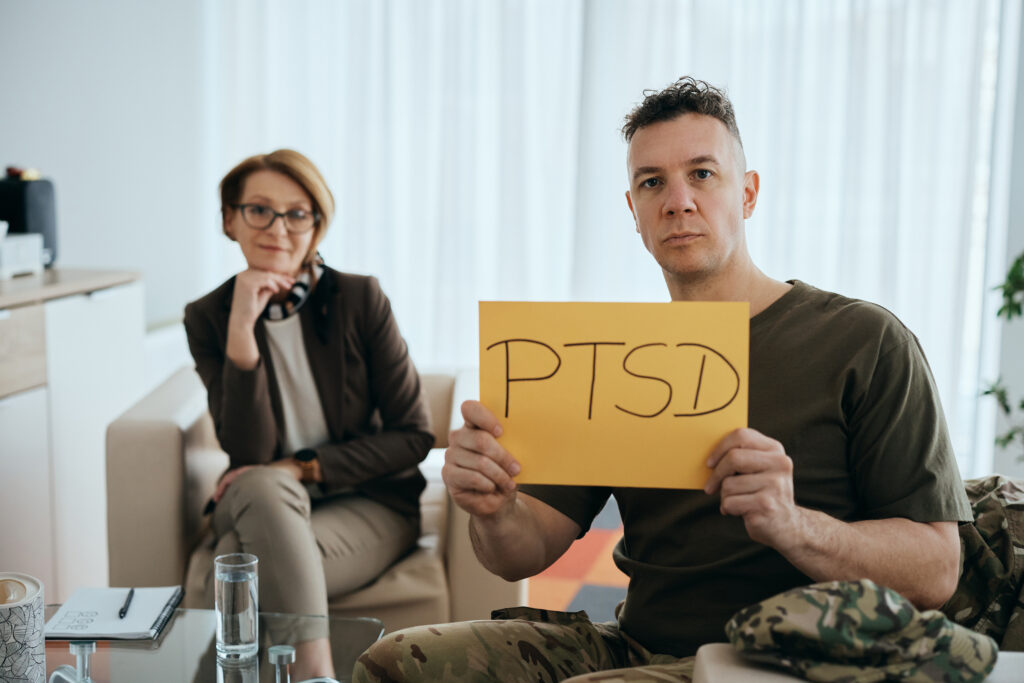
PTSD rarely stays in one lane. It can show up

When trauma continues to replay in your mind and traditional
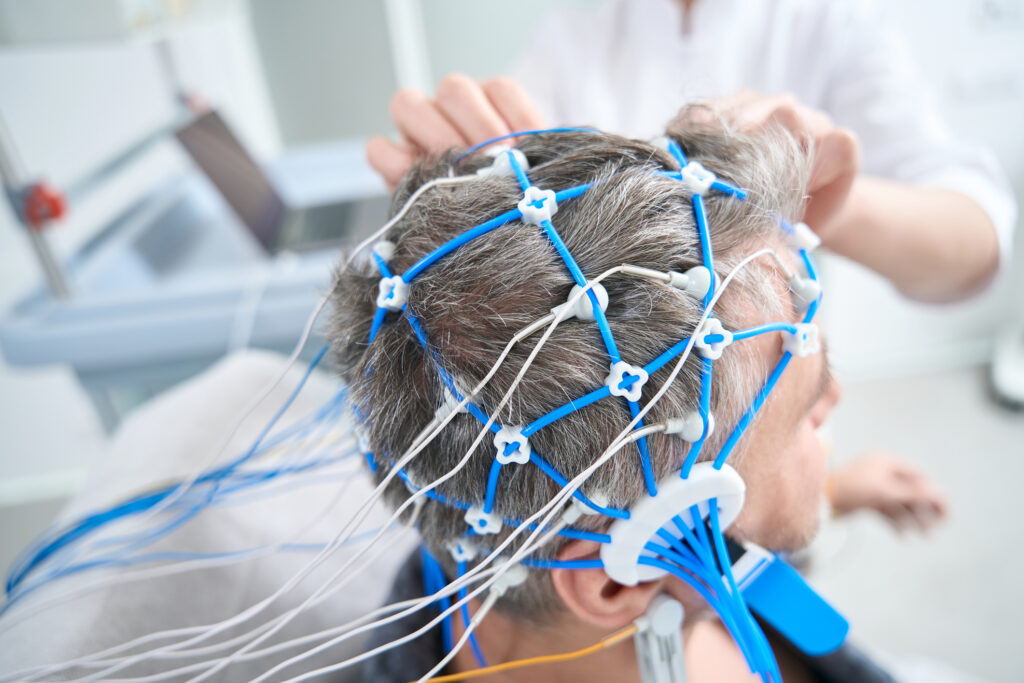
Post-traumatic stress disorder (PTSD) can make daily life feel like