

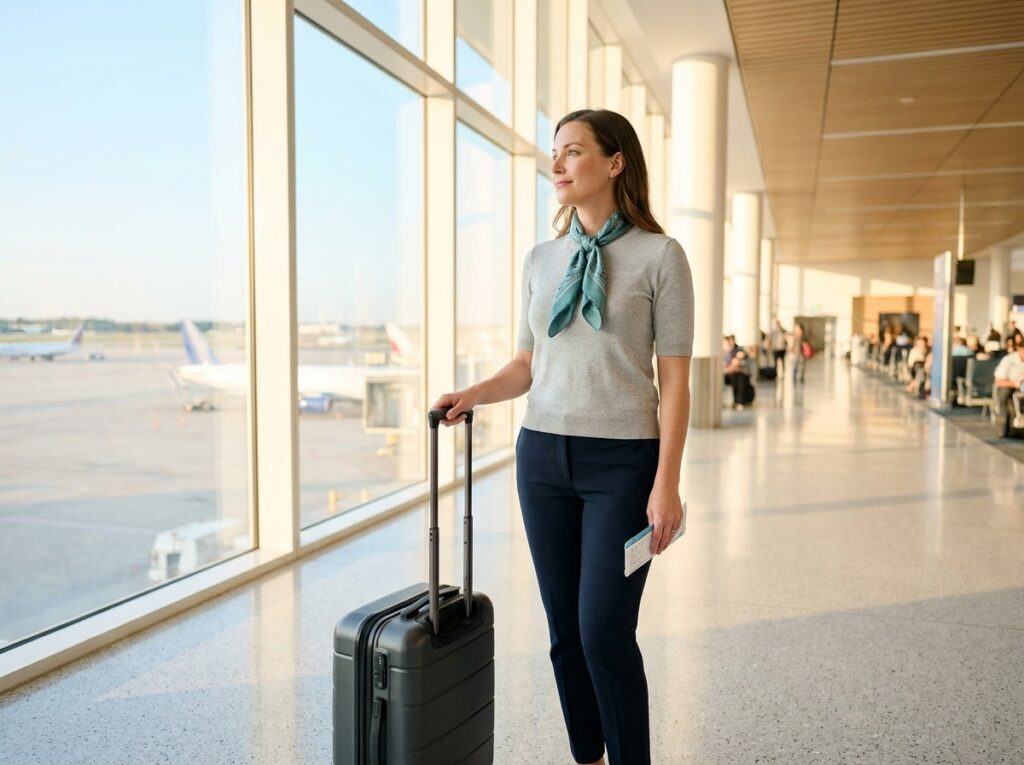
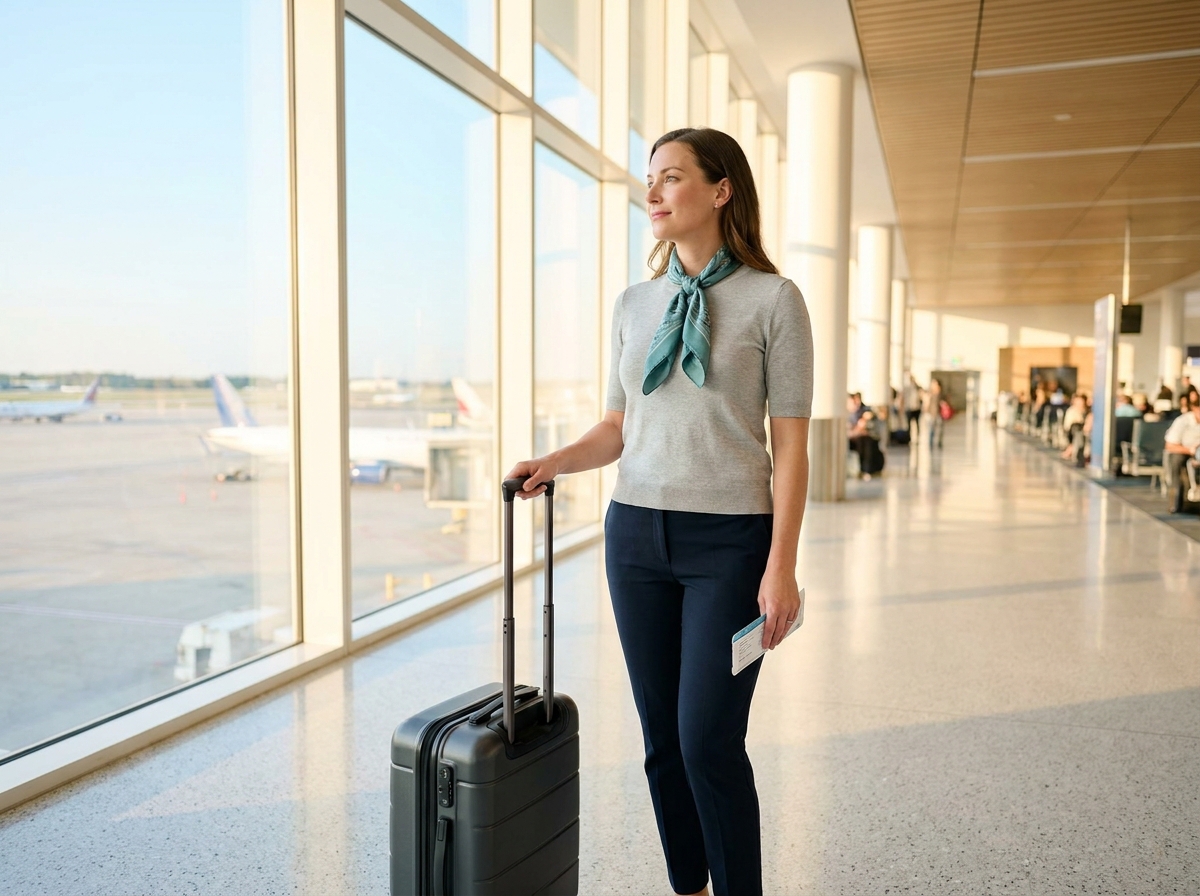
Every summer, I hear a similar concern from patients: “I want to take the trip, but I am already anxious just thinking about it.”
Travel anxiety is not a diagnosis by itself, but it is a very real experience. It may occur on its own or as part of generalized anxiety disorder, panic disorder, or a specific fear such as flying. For some people, the anxiety begins weeks before departure. For others, it appears when they reach the airport, get on the highway, or realize they are far from home.
The important point is that feeling anxious about travel does not mean someone is weak, ungrateful, or incapable of enjoying life. It usually means the brain is reacting to uncertainty, unfamiliar sensations, or a perceived loss of control.
Under the hood, this is the amygdala the brain’s threat detector setting off the body’s alarm before you have consciously decided anything is wrong. Naming it that way can help: a racing heart and a tight chest start to feel less like danger and more like a false alarm.
What travel anxiety can look like
Travel anxiety can affect thoughts, behavior, and the body. Common experiences include:
- Repeated worry about logistics, safety, medical emergencies, delays, or becoming trapped away from home
- Fear of flying, long drives, unfamiliar destinations, crowded places, or being unable to leave easily
- Nausea, poor sleep, dizziness, muscle tension, sweating, or a racing heart before departure
- Feeling overwhelmed in airports, train stations, theme parks, concerts, or crowded vacation areas
- Avoiding trips, canceling at the last minute, or needing repeated reassurance from other people
- Panic attacks or a strong fear of having a panic attack while traveling
One pattern I often notice is that people spend more time fearing that they will become anxious than they spend actually experiencing severe anxiety. The anticipation becomes the problem. Once patients recognize that pattern, we can begin working on it rather than organizing their lives around avoiding it.
Why summer travel can increase anxiety
Summer travel brings several common anxiety triggers together at the same time. None of them automatically ruins a trip, but understanding them makes it easier to prepare.
- Your routine changes
Travel can disrupt sleep, meals, exercise, medication timing, and the normal cues that help the nervous system feel settled. You do not need to recreate your entire home routine, but keeping a few anchors such as a regular wake time, meals, hydration, and medication schedule can make a meaningful difference.
- There is pressure to enjoy every moment
Vacations are supposed to be relaxing, which can make anxiety feel like a personal failure. People may start monitoring themselves: “Am I having enough fun? Am I ruining this for everyone?” That pressure usually makes anxiety worse. A successful trip does not have to be a perfect trip.
- Travel involves more stimulation
Airports, traffic, unfamiliar beds, crowds, noise, and schedule changes can overload an already activated nervous system. Building in breaks, using noise-canceling headphones, and identifying quiet spaces in advance can help. Planning recovery time is not the same as avoiding the experience.
- Heat can mimic anxiety
Heat can cause sweating, flushing, a faster heart rate, shortness of breath, and lightheadedness. Because these sensations overlap with panic symptoms, some people interpret them as evidence that something is wrong. Hydration, shade, appropriate clothing, and regular breaks help reduce both the physical symptoms and the fear attached to them.
- There is less certainty and control
Delays, weather, unfamiliar food, missed connections, and changes in plans are part of travel. For someone who manages anxiety by trying to control every detail, travel can feel especially threatening. The goal is to prepare for what is reasonable while also practicing the ability to tolerate what cannot be controlled.
What actually helps
Prepare, but do not over-prepare
A basic itinerary, medication plan, transportation details, and a few backup options can reduce uncertainty. At the same time, repeatedly checking every possible risk can become another form of anxiety. Preparation should help you move forward, not keep you trapped in planning.
Practice before the trip
Avoidance usually makes anxiety stronger over time. Gradual exposure can help the brain learn that discomfort is tolerable and temporary. Depending on the fear, this might mean driving progressively longer distances, visiting the airport before the travel day, watching videos of the flight process, or taking shorter trips before attempting a larger one. A therapist can help create an exposure plan that is challenging without being overwhelming.
Regulate the body instead of fighting it
When anxiety rises, the goal is not to force the feeling to disappear immediately. It is to show the nervous system that you can remain present and safe while the wave passes. Helpful strategies can include:
- Slow breathing with a longer exhale than inhale
- Grounding by naming what you can see, hear, feel, smell, and taste
- Relaxing the jaw, shoulders, and hands
- Using cool water, a cold drink, or a shaded area when overheated
- Taking a brief walk or stepping into a quieter area without abandoning the entire activity
Communicate what you need
Traveling with other people is often easier when expectations are discussed before the trip. You might say, “I do better when the schedule has some flexibility,” or “I may need a quiet break after we arrive.” Clear communication is usually more helpful than trying to hide the anxiety until it becomes overwhelming.
Treat the underlying condition
Cognitive behavioral therapy and exposure-based treatment can be very effective for panic, specific phobias, and avoidance. Medication may also be helpful when travel anxiety is part of a broader anxiety disorder. That decision should be individualized and discussed with a clinician who knows the patient’s medical history, current medications, and substance-use risks. A travel day is not the ideal time to experiment with someone else’s medication or a new sedating medication that has never been tried before.
Common questions about travel anxiety
Can travel anxiety cause a panic attack? Yes. Travel-related stress can trigger a rapid heart rate, sweating, dizziness, shortness of breath, chest tightness, tingling, and intense fear. Panic symptoms are treatable, but new, severe, or unusual physical symptoms should not automatically be assumed to be anxiety. Seek appropriate medical evaluation when needed.
Does travel anxiety mean I have an anxiety disorder? Not necessarily. Some people experience anxiety only in a specific situation. Others have a broader pattern of panic, excessive worry, or avoidance that affects work, relationships, and daily life. A psychiatric evaluation can help clarify the pattern.
Should I avoid traveling until the anxiety is gone? Usually, waiting for anxiety to disappear completely gives it more control. A better approach is often to make the trip manageable, start gradually, and build confidence through experience. There are situations in which plans should be adjusted for medical or safety reasons, but anxiety alone does not always need to make the decision.
Can I still have a good trip if I feel anxious? Absolutely. Anxiety and enjoyment can exist at the same time. Many patients discover that they do not need to feel perfectly calm in order to be present, connect with family, or do something meaningful.
When it is worth seeking support
Travel anxiety deserves attention when it repeatedly causes you to cancel meaningful plans, avoid visiting family, turn down work opportunities, rely heavily on reassurance or substances, or spend weeks distressed before every trip.
The goal of treatment is not necessarily to eliminate every anxious feeling. It is to help you feel capable of moving forward even when some anxiety is present. That is often how confidence is built: not by waiting to feel fearless, but by learning that fear does not have to make every decision.
At Serenity Mental Health Centers, our providers offer comprehensive psychiatric evaluations and evidence-based treatment for anxiety, panic, depression, trauma, OCD, and related conditions. Learn more at serenitymentalhealthcenters.com.
What is one strategy that has helped you feel more comfortable while traveling? Your experience may help someone else take the trip they have been avoiding.