


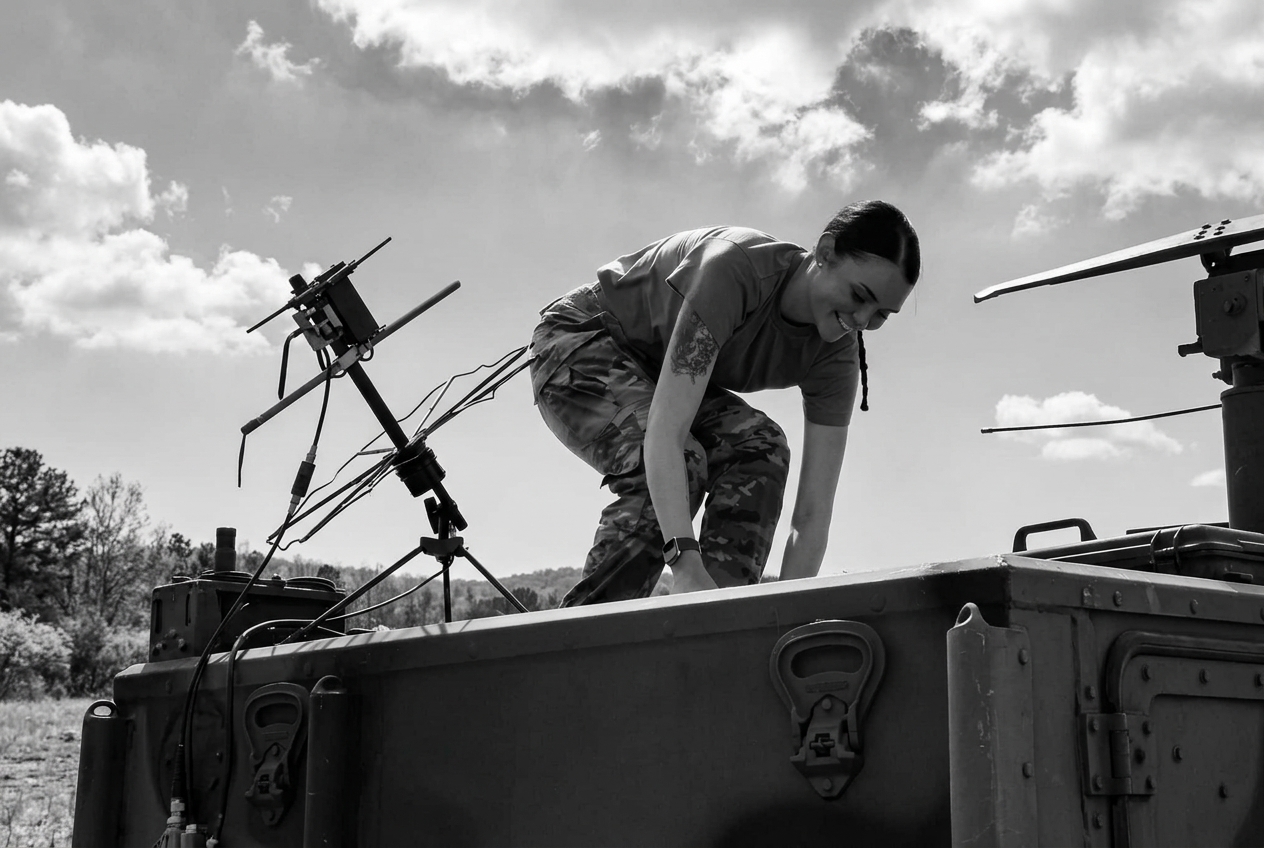
Leaving the military is a major life change, and for many veterans the hardest part is adjusting to a new work culture, a looser structure, and a different sense of purpose. In a 2019 Pew Research Center survey of veterans, about half of post-9/11 veterans said readjusting to civilian life was difficult. The first few years matter most, and support during that time can make a real difference. Journy Rowell, an Army veteran who now works at Serenity in Nocatee, Florida, shares what the transition took for her and what she would tell anyone going through it.
Why the transition out of the military is harder than it looks
Military life comes with a built-in structure. Your day, your team, your mission, and your next step are usually clear. Civilian life asks you to build much of that yourself, often while also finding a job, moving, and reconnecting with family.
The same Pew survey found that post-9/11 veterans were far more likely than earlier generations to say the adjustment was hard: about half, compared with about one in five who served before 9/11. Combat veterans were especially likely to say they struggled with the lack of structure in civilian life and to feel disconnected from family or friends. About a third of all veterans surveyed said they had trouble paying their bills in their first few years out.
For Journy, who served as a Signal Support System Specialist, the biggest shift was the workplace itself:
"In the civilian workforce, I had to learn different communication styles, workplace expectations, and how to approach challenges from a different perspective. However, I viewed that transition as an opportunity to grow."
What research says about the first few years
The early years after separation shape what comes later. A VA study that followed 9,566 veterans through their first three years out of the military found that how their work, finances, and social lives went during that time significantly influenced whether they later developed mental health conditions. Most veterans in the study were doing well. About 15% saw their well-being decline in each of those areas.
The lead researcher, Dr. Dawne Vogt, put the takeaway simply: "early help with employment, finances and social adjustment can mitigate long-term mental health challenges." In other words, getting support early is not a sign that something is wrong. It is one of the most practical things a veteran can do.
From signal specialist to Patient Care Manager
Journy served as a Specialist (SPC) in the U.S. Army, working as a Signal Support System Specialist with the 2nd Infantry Division, the 15th Military Intelligence Battalion, and the 15th Signal Brigade. Her assignments took her to Fort Hood, Texas, and Camp Humphreys, South Korea.
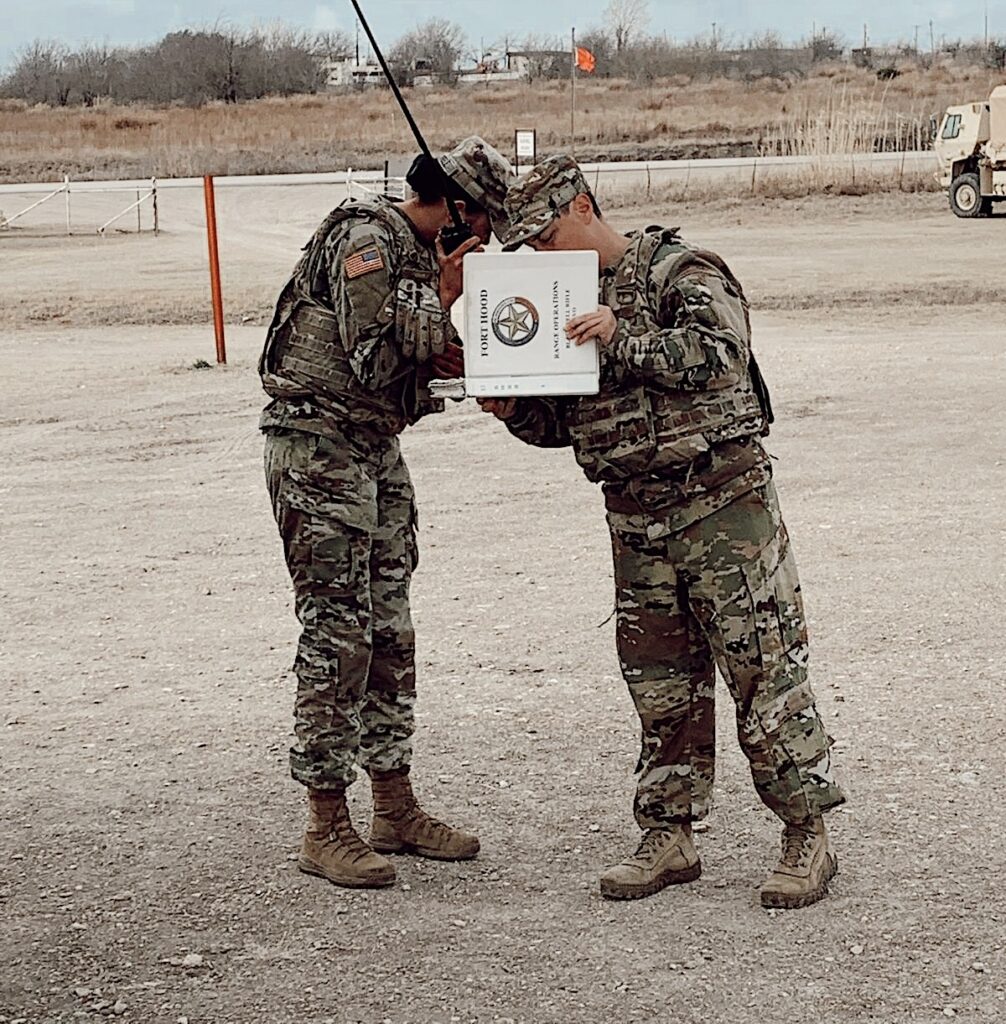
Today she is a Patient Care Manager at Serenity's Nocatee clinic. She oversees clinic operations, supports the clinical team, and leads ongoing staff development. She also works with patients one on one, helping them understand their treatment options and coordinating the approach that fits them.
She credits the same skills for getting her through the transition and for the work she does now:
| What she built in the Army | How she uses it now |
| Discipline | Keeping a busy clinic running smoothly |
| Leadership | Supporting and developing the clinic team |
| Adaptability | Learning a new work culture and new ways of solving problems |
| Taking initiative | Stepping in to help patients understand their options |
| Clear communication | Explaining treatment in plain terms, one patient at a time |
When transition stress is worth talking to someone about
Some stress during a big change is normal. It can help to know when it may be more than that. The National Institute of Mental Health describes depression as symptoms that last most of the day, nearly every day, for at least two weeks. Signs can include:
- A sad, anxious, or empty mood that does not lift
- Irritability, frustration, or restlessness
- Losing interest in things you used to enjoy
- Low energy or feeling slowed down
- Changes in sleep or appetite
A list like this cannot tell you what is going on, and only a provider can diagnose a condition. If several of these have stuck around for weeks, it is a good reason to talk to a psychiatrist.
At Serenity, most patients start with medication management, beginning with a first appointment that leaves time for your history, including your service. When medication has not been enough for depression, Serenity also offers TMS therapy, which is FDA cleared for depression. Treatment helps many people, and not everyone in the same way, which is why the plan is built with you.
"You're not starting over"
Asked what she would tell a veteran who is still finding their footing, Journy started with patience: you do not have to have everything figured out overnight. Then she said this:
"Don't be afraid to ask for help, and be open to learning new things. Most importantly, don't lose confidence in yourself. You're not starting over; you're starting a new chapter with experience, knowledge, and strengths that can help you succeed."
If you are wondering whether a civilian provider will understand your service, our conversation with Navy psychiatrist Dr. Jamon Holzhouser covers what to ask any provider before you start.
Talk with someone
Reaching out is often the hardest step. When you are ready, you can schedule an appointment at our Nocatee clinic or any Serenity location, or call us at 844-310-1649.