

Living with post-traumatic stress disorder (PTSD) can feel overwhelming and isolating, but help is available right here in Sugar Land, TX. Understanding the nature of PTSD and the variety of treatment options can empower you or your loved ones to take meaningful steps toward healing. Whether trauma stems from a single event or ongoing experiences, compassionate, evidence-based care tailored to your unique needs can make a significant difference. This article explores the complexities of PTSD, the treatments offered locally, and how a trauma-informed approach supports recovery in our community.
Post-traumatic stress disorder is a mental health condition triggered by experiencing or witnessing a traumatic event. It can affect anyone, regardless of age, background, or circumstance. The brain’s response to trauma can disrupt normal functioning, leading to persistent distress and challenges in daily life. Recognizing the symptoms and understanding the variations of PTSD is an important first step toward seeking appropriate care.
PTSD is not a sign of weakness or something that can be simply “gotten over.” It is a complex condition that involves changes in how the brain processes memories and emotions related to trauma. These changes can cause intense reactions to reminders of the trauma, difficulty regulating emotions, and disruptions in relationships and overall well-being. Awareness of these factors helps reduce stigma and encourages compassionate support for those affected.

Symptoms of PTSD can vary widely but often include intrusive memories, such as flashbacks or nightmares that bring the traumatic event vividly back to mind. These experiences can be distressing and feel uncontrollable, making it hard to focus on everyday tasks. Avoidance behaviors are also common, where individuals steer clear of places, people, or activities that remind them of the trauma.
Hyperarousal symptoms may manifest as heightened startle responses, irritability, difficulty sleeping, or feeling constantly “on edge.” Emotional numbness or detachment from others can also occur, making it challenging to maintain close relationships. These symptoms can persist for months or years if left untreated, significantly impacting quality of life.
It’s important to remember that everyone’s experience with PTSD is unique. Some may have more pronounced physical symptoms, while others struggle primarily with emotional or cognitive difficulties. Early recognition and support can help manage symptoms before they become more entrenched.
Complex PTSD often arises from prolonged or repeated trauma, such as childhood abuse, domestic violence, or captivity. This form of PTSD includes the core symptoms of traditional PTSD but also involves difficulties with emotional regulation, self-perception, and interpersonal relationships. Individuals with complex PTSD may experience feelings of deep shame, guilt, or persistent feelings of threat even in safe environments.
Co-occurring conditions are common among those with PTSD. Depression and anxiety frequently accompany PTSD, compounding distress and complicating treatment. Substance use disorders may develop as individuals attempt to self-medicate or cope with overwhelming symptoms. Recognizing these overlapping challenges is crucial for providing comprehensive care that addresses all aspects of a person’s mental health.
In Sugar Land, TX, mental health professionals are trained to identify and treat these complex presentations, ensuring that care plans are holistic and responsive to each person’s unique history and needs.
Effective PTSD treatment often involves a combination of approaches tailored to the individual. In Sugar Land, TX, a range of evidence-based therapies and medical interventions are available to support recovery. These treatments aim to reduce symptoms, improve functioning, and enhance overall quality of life.
Choosing the right treatment depends on many factors, including the severity of symptoms, co-occurring conditions, personal preferences, and previous treatment history. Our local providers work collaboratively with patients to develop personalized care plans that respect their goals and pace.
Medications can play a vital role in managing PTSD symptoms, especially when combined with psychotherapy. Selective serotonin reuptake inhibitors (SSRIs) and serotonin-norepinephrine reuptake inhibitors (SNRIs) are commonly prescribed antidepressants that help regulate mood and reduce anxiety. These medications can alleviate symptoms such as intrusive thoughts, hyperarousal, and depression.
For individuals experiencing distressing nightmares related to PTSD, prazosin is often used to reduce the frequency and intensity of these sleep disturbances. Improving sleep quality can have a profound impact on overall symptom management and daily functioning.
Medication management in Sugar Land involves careful monitoring by experienced clinicians to optimize benefits while minimizing side effects. Patients are encouraged to communicate openly about their experiences to ensure the best possible outcomes.
Transcranial Magnetic Stimulation (TMS) is a non-invasive treatment that uses magnetic fields to stimulate nerve cells in the brain. It is FDA-approved for depression and has shown promise in treating PTSD symptoms, particularly when traditional treatments have not been fully effective. TMS targets specific brain regions involved in mood regulation and trauma processing.
The procedure is typically administered in a series of sessions over several weeks. Each session lasts about 30 to 40 minutes and does not require anesthesia. Patients remain awake and alert during treatment and can resume normal activities afterward.
TMS offers an alternative for those who may not tolerate medications well or prefer a non-pharmacological approach. In Sugar Land, TMS is provided by trained specialists who tailor treatment protocols to individual needs.
Ketamine infusions have emerged as a rapid-acting treatment option for PTSD, especially for individuals with treatment-resistant symptoms. Administered intravenously in a controlled medical setting, ketamine can quickly reduce symptoms of depression, anxiety, and trauma-related distress.
The exact mechanisms by which ketamine works are still being studied, but it is believed to promote neural plasticity and reset dysfunctional brain circuits involved in PTSD. Treatment typically involves a series of infusions spaced over several weeks, with ongoing assessment to determine effectiveness and safety.
In Sugar Land, ketamine therapy is offered by providers experienced in trauma-informed care, ensuring that patients receive comprehensive support throughout the treatment process.
Healing from trauma requires more than just symptom reduction; it involves creating a safe and supportive environment where individuals feel respected and empowered. Our trauma-informed approach in Sugar Land prioritizes understanding the impact of trauma on the whole person and tailoring care accordingly.
This approach recognizes that trauma can affect trust, safety, and the ability to engage in treatment. By fostering a collaborative relationship between provider and patient, we aim to build a foundation of safety and mutual respect that supports healing.
Safety is the cornerstone of trauma-informed care. We work diligently to create spaces—both physical and emotional—where patients feel secure and free from judgment. This includes clear communication about treatment options, processes, and what to expect at every step.
Choice is equally important. Patients are encouraged to participate actively in decisions about their care, selecting therapies and interventions that align with their values and comfort levels. This empowerment helps rebuild a sense of control that trauma often disrupts.
Collaboration means that care is a partnership. Providers listen attentively, validate experiences, and adapt treatment plans based on ongoing feedback. This dynamic process respects each person’s unique journey and fosters resilience and hope.
Extremely educated about Ketamine therapy. My depression symptoms improved, despite the exorbitant cost.
C.F.
Google
Extremely educated about Ketamine therapy. My depression symptoms improved, despite the exorbitant cost.
R.H.
Google
Dr. Clay has given me my life, family, and friends back to me. When I first started seeing Dr. Clay, I was so depressed and anxious that I didn’t go out of the house. Dr. Clay’s medical assistant on my first appointment told me that he would never give up on me and he never has. Flash forward to now, and I’m seeing my friends, family, going out to run errands on my own, and even going to see my beloved sister in Colorado March 1st with our daughter. I am SO thankful for Dr. Clay and his team at Serenity Mental Health. They are a huge blessing and I feel so lucky to have found them!
k.
Google
My psychiatrist is named Dr. Colvin and he is an excellent person to count on for aid with mental health. He has prescribed medicine for me that has worked wonders in my life, and he continues to meet my concerns by providing more medication when needed. Alongside him, the staff is extremely flexible with their availability, and whenever I’ve needed to change a date on the calendar for appointments, they have been swift and generous to meet those needs as well. I’d recommend Serenity to anyone that is struggling to battle the demons in their head; they have changed my life and I know they will do the same for you as well.
K.D.
Google
Tolulope’s experience with TMS therapy has been excellent. She is patient and really kind, even if the initial consultation took some time to schedule.
M.V.
Google
Recognizing that PTSD does not exist in isolation, specialized care paths address the diverse needs of individuals in Sugar Land. These tailored programs integrate treatment for co-occurring conditions and specific trauma types to provide comprehensive support.
By offering focused care paths, providers can better address the complexities of each person’s experience and promote more effective recovery outcomes.
Many individuals with PTSD also struggle with depression, anxiety, or substance use disorders. These overlapping conditions can intensify symptoms and complicate treatment. Our specialized care path integrates evidence-based therapies that address all these challenges simultaneously.
This may include combined medication management, cognitive-behavioral therapies, and support groups designed to foster coping skills and reduce relapse risk. Coordinated care ensures that no aspect of a person’s mental health is overlooked, promoting holistic healing.
In Sugar Land, this integrated approach helps individuals regain stability and build healthier patterns for long-term wellness.
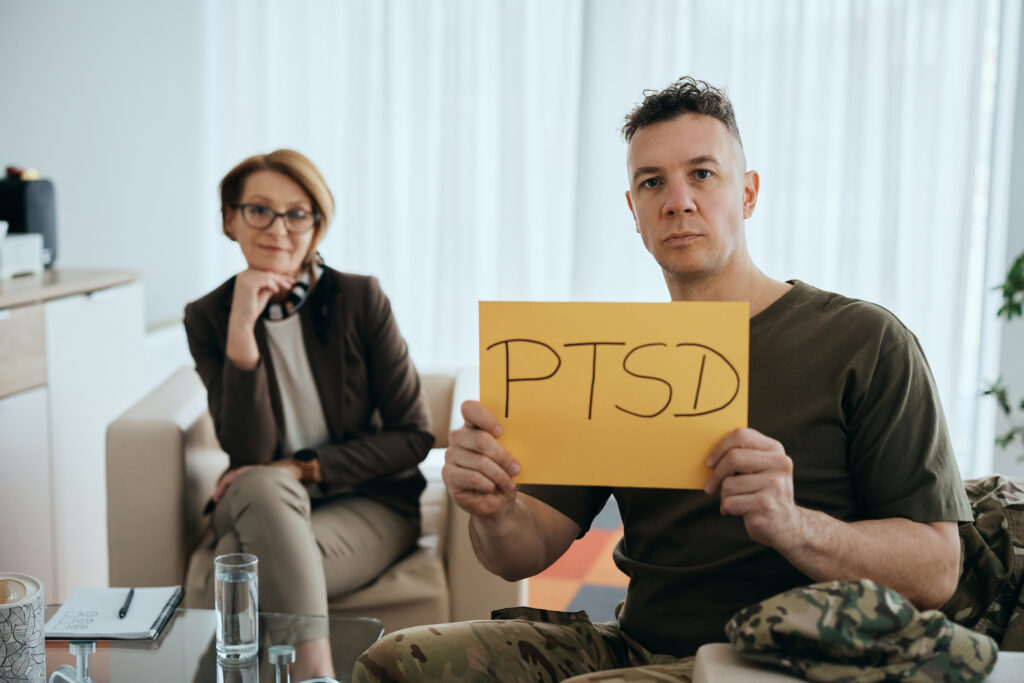
Individuals who have served in the military, worked as first responders, or experienced medical trauma often face unique challenges related to their experiences. These traumas can involve repeated exposure to life-threatening situations, moral injury, or prolonged stress.
Specialized programs in Sugar Land are designed to meet the distinct needs of these populations. Treatment may incorporate therapies that address moral injury, resilience training, and peer support networks. Understanding the culture and context of these professions enhances the effectiveness of care.
By providing targeted interventions and community resources, we strive to honor the sacrifices of these individuals and support their journey toward recovery and renewed purpose.
PTSD rarely stays in one lane. It can show up

When you’re healing from trauma, well-meaning advice like “just be

When obsessive-compulsive disorder (OCD) becomes severe, daily life can feel
