

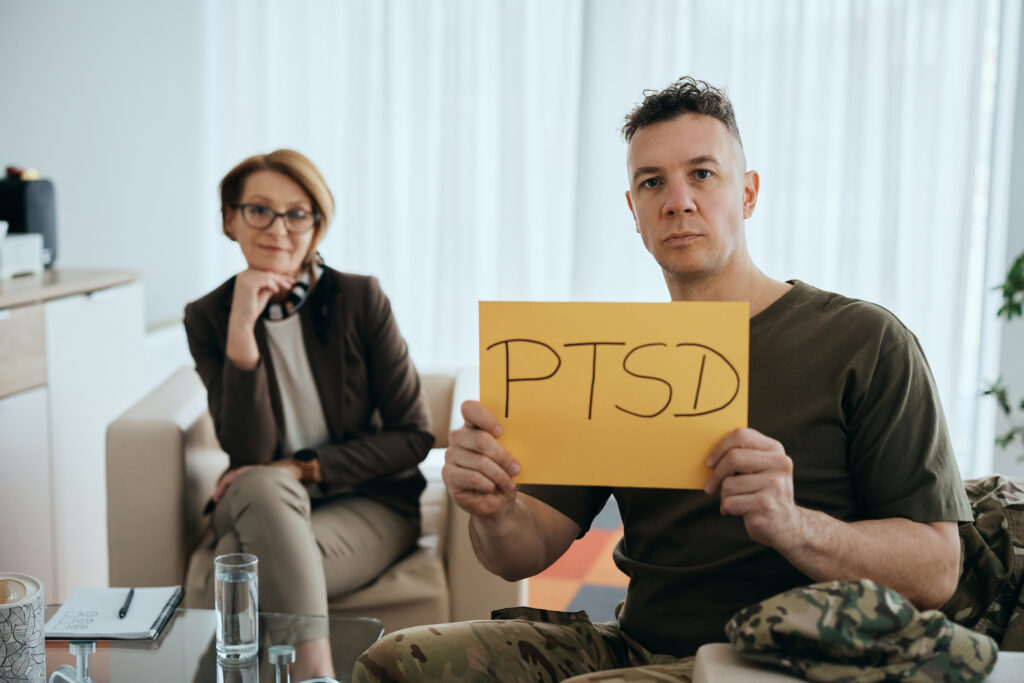
Living with post-traumatic stress disorder (PTSD) can feel overwhelming, especially when the memories and symptoms interfere with daily life. In Sandy Springs, GA, compassionate and effective treatment options are available to support individuals on their healing journey. Understanding PTSD and the variety of treatments offered can empower those affected to seek the care they deserve. This article explores the nature of PTSD, the symptoms people commonly experience, and the specialized treatments provided locally to help manage and reduce distressing symptoms.
Post-traumatic stress disorder is a mental health condition that can develop after experiencing or witnessing a traumatic event. These events might include accidents, natural disasters, violence, or other situations that threaten a person’s safety or well-being. PTSD is not a sign of weakness or something that can be simply “gotten over.” It is a complex condition that affects the brain’s response to stress and memory processing.
In Sandy Springs, mental health professionals recognize that PTSD manifests differently for each person. Some may experience intense flashbacks, while others might feel numb or detached from their surroundings. The disorder can disrupt sleep, concentration, and relationships, making everyday functioning difficult. Understanding these symptoms is a crucial step toward seeking appropriate care and support.

PTSD symptoms often fall into several categories, including re-experiencing, avoidance, negative changes in thoughts and mood, and heightened arousal or reactivity. Re-experiencing symptoms might involve flashbacks, nightmares, or intrusive memories that bring the trauma back to life unexpectedly. These experiences can be distressing and make it hard to feel safe.
Avoidance symptoms include steering clear of places, people, or activities that remind someone of the trauma. This can lead to isolation and withdrawal from social connections, which are important for healing. Negative changes in thoughts and mood may involve feelings of guilt, shame, or persistent fear, as well as difficulty remembering key aspects of the traumatic event.
Heightened arousal symptoms can include being easily startled, feeling tense or “on edge,” difficulty sleeping, and angry outbursts. These symptoms often contribute to exhaustion and frustration, compounding the challenges of living with PTSD. Recognizing these symptoms helps individuals and clinicians tailor treatment plans that address specific needs.
Some individuals experience complex PTSD, which arises from prolonged or repeated trauma, such as ongoing abuse or captivity. This form of PTSD often involves additional difficulties with emotional regulation, self-perception, and relationships. People with complex PTSD may struggle with feelings of deep shame, mistrust, and a fragmented sense of self.
It is also common for PTSD to co-occur with other mental health conditions, such as depression, anxiety, or substance use disorders. These overlapping challenges can complicate diagnosis and treatment but addressing them together often leads to better outcomes. In Sandy Springs, clinicians are trained to recognize and treat co-occurring conditions alongside PTSD, ensuring a comprehensive approach to care.
Effective PTSD treatment often involves a combination of therapies tailored to the individual’s unique experience and symptoms. In Sandy Springs, a range of evidence-based options is available, including medication management, advanced brain stimulation techniques, and innovative treatments like ketamine infusions. These approaches aim to reduce symptoms, improve functioning, and support long-term recovery.
Medications can play a vital role in managing PTSD symptoms, especially when combined with therapy. Selective serotonin reuptake inhibitors (SSRIs) and serotonin-norepinephrine reuptake inhibitors (SNRIs) are commonly prescribed antidepressants that help regulate mood and anxiety. These medications can reduce symptoms such as intrusive thoughts, depression, and hyperarousal.
For individuals struggling with distressing nightmares, prazosin is often used to improve sleep quality. This medication works by blocking certain receptors involved in the body’s stress response, helping to reduce the frequency and intensity of nightmares. Medication management in Sandy Springs is personalized, with careful monitoring to balance benefits and side effects.
Transcranial Magnetic Stimulation (TMS) is a non-invasive procedure that uses magnetic fields to stimulate nerve cells in the brain. It is FDA-approved for depression and has shown promise in treating PTSD symptoms, particularly when traditional treatments have not been fully effective. TMS sessions are typically conducted daily over several weeks and do not require anesthesia or significant downtime.
In Sandy Springs, TMS is offered as part of a comprehensive treatment plan. Patients often report improvements in mood, concentration, and overall well-being. The procedure is well-tolerated and provides an alternative for those seeking non-medication options or additional support alongside therapy.
Ketamine infusions have emerged as a rapid-acting treatment option for PTSD and related mood disorders. Administered under medical supervision, ketamine can help reduce symptoms quickly, sometimes within hours or days. This treatment is particularly valuable for individuals who have not responded to conventional therapies.
In Sandy Springs, ketamine therapy is delivered in a safe, controlled environment with careful assessment before and after each infusion. While the exact mechanisms are still being studied, ketamine appears to promote neural plasticity and reset brain circuits involved in trauma and mood regulation. It is often combined with psychotherapy to maximize long-term benefits.
Healing from trauma requires more than just symptom management; it demands a compassionate, respectful, and individualized approach. In Sandy Springs, providers prioritize trauma-informed care, which means recognizing the widespread impact of trauma and actively working to avoid re-traumatization during treatment.
This approach fosters an environment where patients feel safe, heard, and empowered. It acknowledges that each person’s experience is unique and that healing is a collaborative process. Trauma-informed care also emphasizes the importance of cultural sensitivity and understanding the social context of trauma.
Creating a sense of safety is foundational in trauma-informed treatment. This includes physical safety within the treatment setting and emotional safety through trust and transparency. Patients are encouraged to express their needs and boundaries, and clinicians respect these preferences throughout care.
Choice is another key element, allowing individuals to participate actively in decisions about their treatment options. This collaborative model helps build a therapeutic alliance, which research shows is critical for successful outcomes. In Sandy Springs, clinicians work closely with patients to develop personalized care plans that honor their goals and values.
Collaboration extends beyond the patient-provider relationship to include family members or support systems when appropriate. This holistic perspective supports recovery by addressing the broader context of a person’s life and relationships.
Extremely educated about Ketamine therapy. My depression symptoms improved, despite the exorbitant cost.
C.F.
Google
Extremely educated about Ketamine therapy. My depression symptoms improved, despite the exorbitant cost.
R.H.
Google
Dr. Clay has given me my life, family, and friends back to me. When I first started seeing Dr. Clay, I was so depressed and anxious that I didn’t go out of the house. Dr. Clay’s medical assistant on my first appointment told me that he would never give up on me and he never has. Flash forward to now, and I’m seeing my friends, family, going out to run errands on my own, and even going to see my beloved sister in Colorado March 1st with our daughter. I am SO thankful for Dr. Clay and his team at Serenity Mental Health. They are a huge blessing and I feel so lucky to have found them!
k.
Google
My psychiatrist is named Dr. Colvin and he is an excellent person to count on for aid with mental health. He has prescribed medicine for me that has worked wonders in my life, and he continues to meet my concerns by providing more medication when needed. Alongside him, the staff is extremely flexible with their availability, and whenever I’ve needed to change a date on the calendar for appointments, they have been swift and generous to meet those needs as well. I’d recommend Serenity to anyone that is struggling to battle the demons in their head; they have changed my life and I know they will do the same for you as well.
K.D.
Google
Tolulope’s experience with TMS therapy has been excellent. She is patient and really kind, even if the initial consultation took some time to schedule.
M.V.
Google
Recognizing that PTSD affects people differently depending on their background and experiences, Sandy Springs offers specialized care
paths tailored to specific populations and co-occurring conditions. These targeted approaches ensure that treatment is relevant and effective for diverse needs.
Many individuals with PTSD also experience depression, anxiety, or struggle with substance use. These overlapping conditions can intensify symptoms and complicate recovery. In Sandy Springs, integrated treatment programs address these challenges simultaneously, rather than in isolation.
Therapies may include cognitive-behavioral techniques, motivational interviewing, and medication adjustments designed to stabilize mood and reduce harmful behaviors. Support groups and peer resources are also available to foster connection and resilience. This comprehensive approach helps individuals regain control and improve quality of life.
Those who serve in the military, emergency services, or healthcare professions often face unique trauma exposures that can lead to PTSD. Sandy Springs providers understand the specific stressors and cultural factors affecting these groups and offer specialized care tailored to their experiences.
Interventions may include evidence-based therapies like prolonged exposure or cognitive processing therapy, adapted to address occupational trauma. Peer support and family involvement are also emphasized to create a strong network of care. Recognizing the courage it takes to seek help, these programs aim to restore hope and functionality for those who have dedicated their lives to helping others.
PTSD rarely stays in one lane. It can show up

When you’re healing from trauma, well-meaning advice like “just be

When obsessive-compulsive disorder (OCD) becomes severe, daily life can feel
